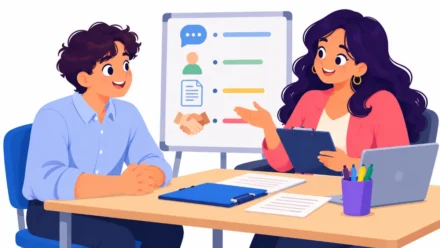
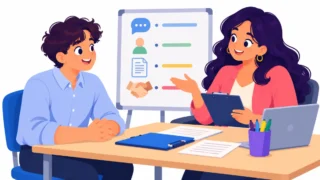
Eight practical role play scenarios that help students aged 16 to 21 practice speaking up at college, work, the doctor and in the community, ranked from low to high stakes.

Seven signs that a middle schooler with a disability is ready to self-advocate, from naming what helps to joining the IEP meeting, with practical next steps for parents.
Eight common self-advocacy mistakes parents make when a child has an IEP or 504 plan, ordered from easiest to fix, with practical changes and a fictional thirteen-year-old.
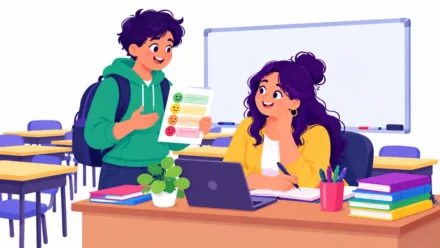
A ranked list for high school students and the adults who coach them: seven ways to give feedback on IEP and 504 accommodations, from a quiet form to leading part of the meeting.
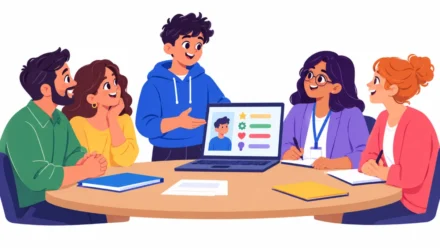
Eight example self-advocacy goal areas for high school IEPs, from naming strengths to disclosure beyond school, with a fictional grade 10 student and data.
Ten ready-to-teach phrases that help students ask for supports, ranked from short classroom requests to IEP meeting statements, with a fictional grade 8 example.
Five practical, respectful steps for helping autistic young people understand body changes, care for themselves, and express their needs at their own pace.