

Back to school visuals can turn the first chaotic weeks of the year into a calmer, more predictable time. New rooms, new faces, and new rules can overwhelm any child. However, for students with autism, ADHD, or anxiety, the change can feel huge.
Visual supports show students what is happening, what comes next, and what is expected. As a result, they spend less energy guessing and more energy learning. This guide explains which visuals to use and how to make them work for teachers and families.
Why Back to School Visuals Work
Spoken words disappear the moment we say them. Visuals, on the other hand, stay in place. A student can look back at them as many times as needed.
Because of this, visuals support memory, attention, and understanding. They also lower anxiety, since students can see the plan for the day. In addition, they build independence, as students rely less on adult reminders.
Many students benefit, not only those with an IEP. So consider back to school visuals a whole-class tool, with extra support for students who need more.
Visual Schedules for the First Weeks
A visual schedule is the most important tool to set up first. It shows the order of the day with pictures, symbols, or words.
Types of schedules
- Whole-class schedule: posted on the wall for everyone.
- Individual schedule: at a desk or in a binder for one student.
- First-then board: shows one task, then a reward or break.
- Mini schedule: breaks one activity into small steps.
Review the schedule each morning. Then point to it at every transition. Also, show changes clearly, such as an assembly or a fire drill. A simple “change” card helps students cope with surprises.
Back to School Visuals for Daily Routines
Routines run smoother when each step is visible. For example, a morning arrival routine might show: hang backpack, put folder in bin, wash hands, start morning work.
Other routines that benefit from visuals include:
- Packing up at the end of the day.
- Lining up and walking in the hallway.
- Using the restroom and washing hands.
- Lunch and cafeteria steps.
- Getting materials for a lesson.
Teach each routine directly in the first days. First, model it. Next, practice it together. Then let students try with the visual as a guide. Finally, fade your prompts as students master the steps.
Behavior and Expectation Visuals
Clear expectations prevent many behavior problems. So post simple, positive rules with pictures. For example, “quiet voice,” “hands to self,” and “raise hand.”
Other helpful behavior visuals include:
- Voice level charts: show the right volume for each activity.
- Feelings and calm-down cards: help students name emotions and choose a strategy.
- Break cards: let students ask for a break without words.
- Token boards: show progress toward a reward.
These back to school visuals work best when used with praise. For instance, point to the “quiet voice” card and say, “Thank you for using a quiet voice.” As a result, students link the visual with success, not just correction.
Plan for the hard moments
Some times of day are harder than others. For example, arrival, lunch, and dismissal are often loud and busy. So add an extra visual support for these moments. A small card in a pocket or on a lanyard works well. As a result, students have help right where they need it.
Visuals for Academic Tasks
Visuals help during lessons too. A task checklist shows the steps of an assignment. Similarly, a timer makes time concrete for students who struggle with waiting.
Also, try “how to” cards for common tasks, such as heading a paper or solving a math problem. Then students can work more independently. A full guide makes planning easier. For example, this guidebook on visual supports for back to school success explains schedules, routines, and behavior visuals in one place.
Making Back to School Visuals Work at Home
Families can use the same tools to ease the morning rush. A picture routine for getting dressed, eating breakfast, and packing a bag can cut down on stress. In addition, a calendar showing the first day of school helps children prepare.
Before school starts, look at photos of the school, the classroom, and the teacher together. This preview makes the new place feel familiar. Also, use the same words and symbols as school when possible. Consistency between home and school helps skills grow faster.
The Understood.org website shares more tips for helping kids with learning and thinking differences start the year well.
Tips for Success With Back to School Visuals
- Keep visuals simple, clear, and at eye level.
- Use the same symbols across the whole school day.
- Laminate cards so they last all year.
- Involve students in making or choosing visuals.
- Review and update visuals as needs change.
Above all, be consistent. Visuals only work when adults use them every day, not just on hard days. Over time, students learn to trust them and use them on their own.
Frequently Asked Questions
Which visual should I set up first?
Start with a visual schedule. It answers the biggest question students have: “What happens today?” Then add routine and behavior visuals.
Do older students need visuals?
Yes, many do. Simply use age-appropriate formats, like written checklists, planners, or phone reminders, instead of cartoon pictures.
When can I fade visual supports?
Fade slowly once a student follows a routine without looking. However, keep visuals available in case of stress or change.
Ready-to-use resource:
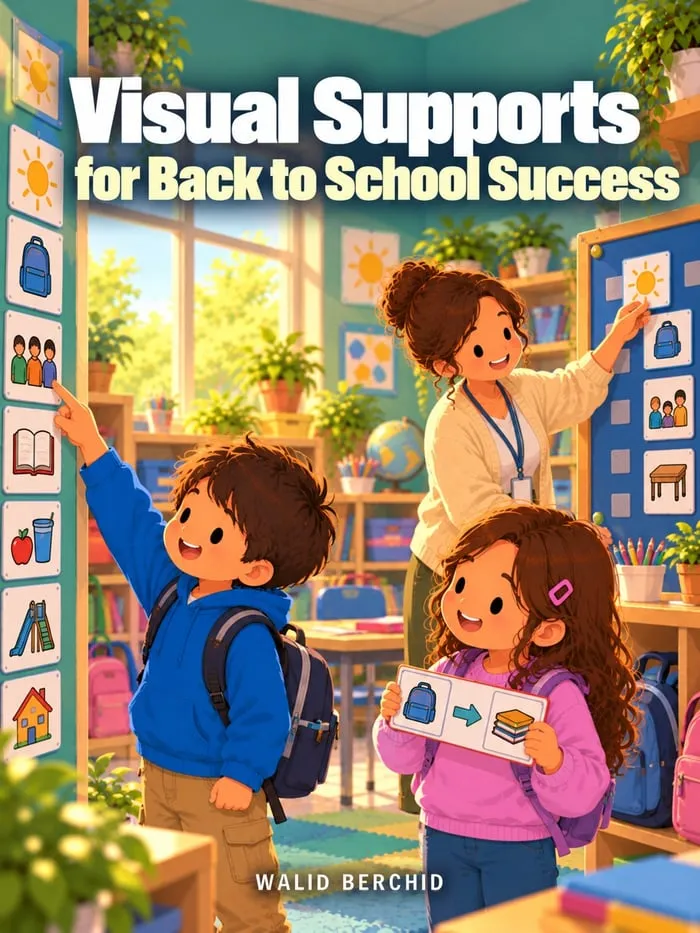
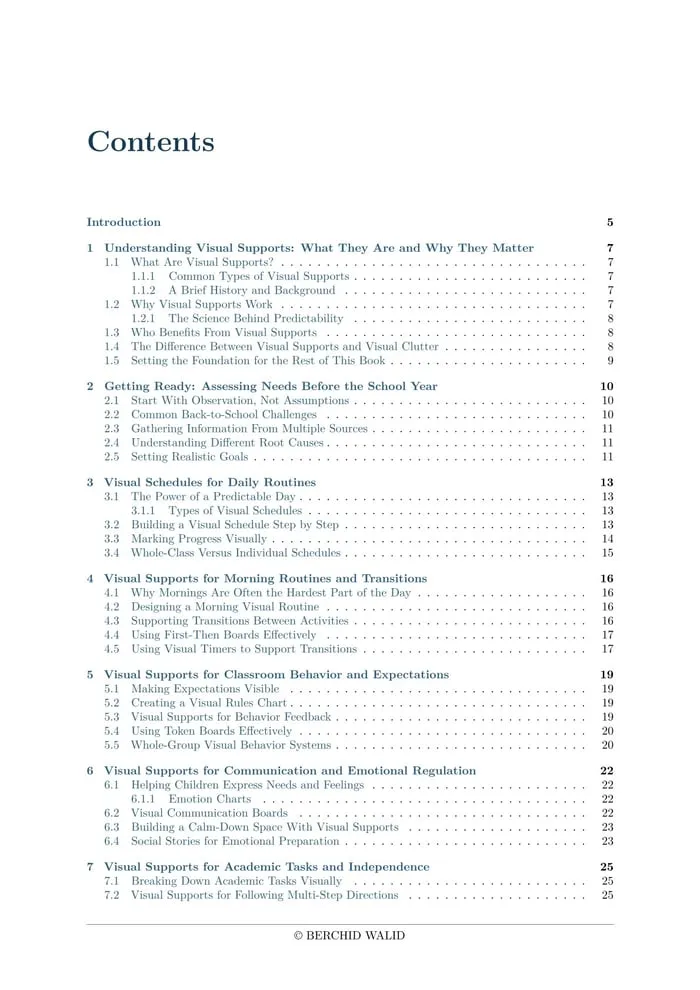
Visual Supports for Back to School Success | Schedules, Routines & Behavior Visuals: A practical guidebook on which schedules, routine charts, and behavior visuals to use and how to make them work.
Related reading: Effective ADHD Classroom Strategies to Support Student Success and Bridging Gaps in Special Education: Practical Strategies for Teachers.
Key Takeaways on Back to School Visuals
- Back to school visuals make new routines predictable and calm.
- Start with a visual schedule, then add routine and behavior visuals.
- Teach each visual directly and pair it with praise.
- Use the same visuals at home and school for consistency.









Leave a Comment