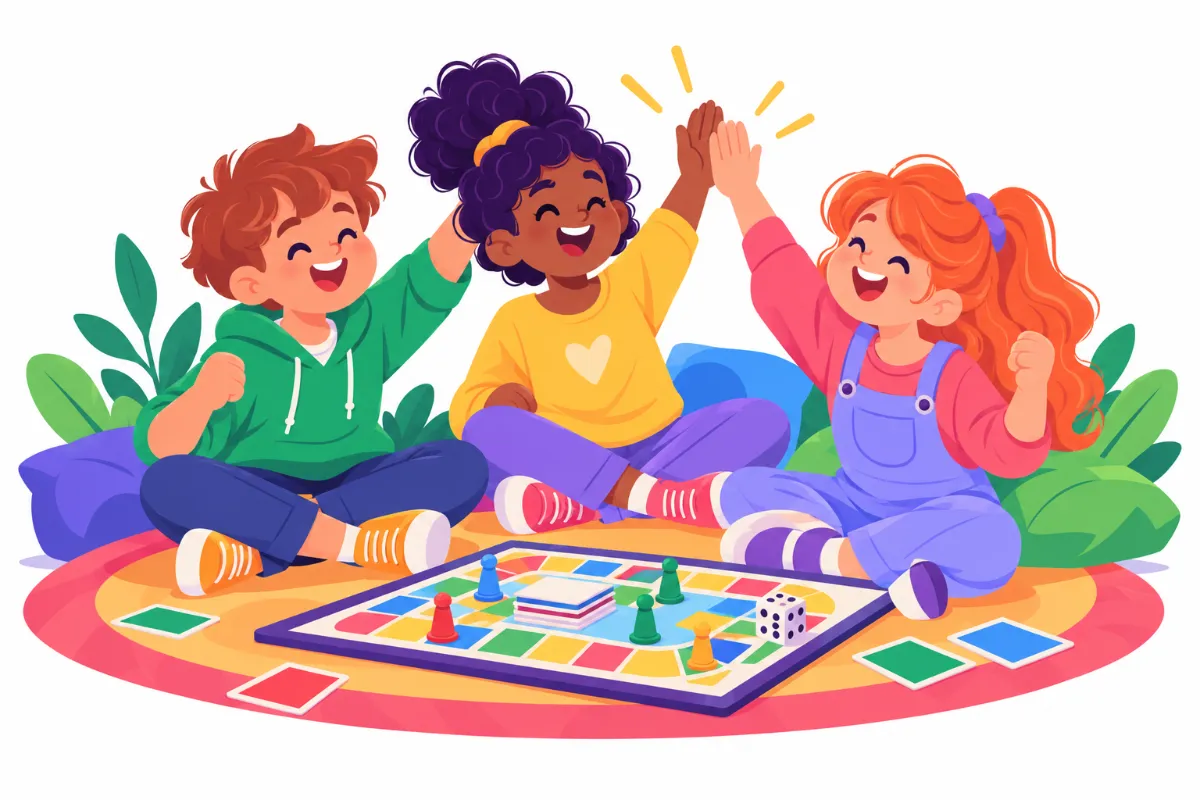

Social skills games for kids turn friendship practice into something children actually want to do. Making friends is a skill, and like any skill, it improves with practice. Games give kids a safe, playful space to try greetings, take turns, and read social cues.
However, many children need more than free play to build these skills. Some, including many autistic children and kids with ADHD, benefit from clear steps and repeated practice. This guide shares game ideas, tips for success, and ways to help skills carry over into real friendships.
Why Social Skills Games for Kids Work
Games lower pressure. When practice feels like play, children relax and take social risks they might avoid in real life. For example, a shy child may practice saying hello to a puppet long before greeting a classmate.
In addition, games naturally include rules, turns, and goals. These structures make abstract social skills concrete. Kids know what to do, when to do it, and how to succeed.
Games also allow mistakes without real consequences. If a child forgets to wait for a turn, the group can simply pause, practice, and try again. That repetition is exactly how new habits form. Finally, games create positive shared experiences. Laughing together builds connection, which is the heart of friendship.
Greeting and Conversation Games
Saying hello and keeping a conversation going are early friendship skills. Try these simple games:
- Greeting circle: students pass a ball and greet the person they toss it to by name.
- High five, wave, or smile: each child chooses a greeting style, respecting comfort levels.
- Question ball: write questions on a beach ball, such as “What is your favorite food?”
- Conversation chain: partners take turns adding one sentence to a topic.
Also, practice ending conversations politely. Saying “See you later!” is a skill too.
Social Skills Games for Kids About Body Language
Reading faces and bodies helps children know how others feel. Therefore, include games that build this awareness.
- Emotion charades: act out a feeling while others guess.
- Freeze faces: dance, then freeze with a face that shows a called-out feeling.
- Picture detective: look at photos and find clues about what people feel.
For example, after a round of charades, ask, “What clue helped you guess?” Talking about clues strengthens understanding.
Social Skills Games for Kids: Joining In and Taking Turns
Joining a group can feel scary. Because of that, practice the steps through role-play games:
- First, watch what the group is doing.
- Next, move closer and wait for a pause.
- Then ask, “Can I play too?”
- Finally, follow the group’s game.
Meanwhile, board games and card games are excellent for turn-taking. Use a visual “my turn / your turn” card for children who need a reminder. Also, practice handling losing with a simple script, such as “Good game. Let’s play again.”
Social Skills Games for Kids at Home
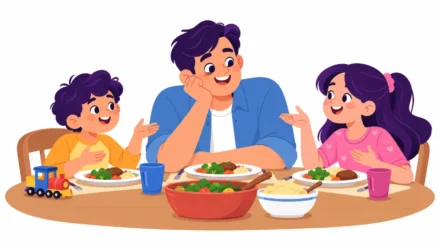
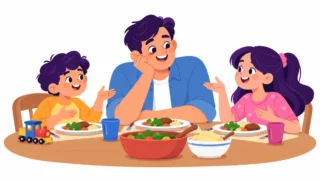
Families can practice too. For example, play a board game after dinner and model good sportsmanship. Role-play a playdate greeting with stuffed animals. During car rides, take turns asking each other questions.
In addition, praise specific social skills you notice. Saying, “You waited for your turn so nicely,” reinforces the behavior far more than a general “good job.”
Making Social Skills Games for Kids Inclusive
Every child can play with the right supports. However, needs vary, so adjust the games thoughtfully.
- Use visual cue cards for steps and scripts.
- Keep groups small, especially at first.
- Offer different ways to participate, such as pointing or using a device.
- Respect sensory needs, such as avoiding forced touch or high fives.
- Give extra processing time before expecting a response.
The CDC autism resources describe how social communication differences may appear. Remember that the goal is connection, not changing who a child is.
Helping Skills Carry Over to Real Life
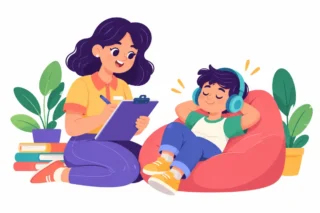
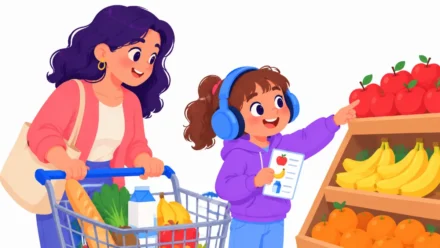
Practice in games only matters if skills appear on the playground and in class. Therefore, connect games to real situations. Before recess, review one skill, such as asking to join. Afterward, ask the child how it went.
Also, coach peers to be welcoming. When classmates understand how to include others, everyone benefits. A level-based approach can help too. This social skills game guide with friendly faces and high fives moves kids level by level through greetings, body language, joining groups, and more.
Tracking Progress Gently
It helps to know whether practice is working. However, tracking should stay light and encouraging. For example, choose one target skill each month, such as greeting a peer, and note a few observations each week.
- Did the child use the skill during the game?
- Did they use it at recess or lunch without a reminder?
- Did they need a visual cue or prompt?
Next, share small wins with the child and family. Celebrating progress builds confidence and motivation. Also, when a skill becomes easy, move to a new one rather than repeating the same game forever. In addition, ask the child which games they enjoy most. Their favorites are often the ones that teach best, because engagement drives practice.
Frequently Asked Questions
What age are social skills games best for?
Preschoolers through middle schoolers can benefit. Adjust the complexity and topics for each age group.
How often should kids practice?
Short sessions several times a week work well. Consistent practice helps skills become natural.
What if my child refuses to play?
Start with a favorite interest, keep it short, and play alongside them. Comfort grows with positive experiences.
Ready-to-use resource:
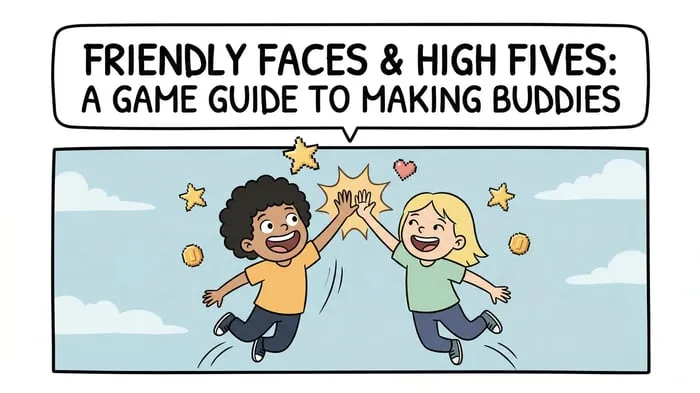
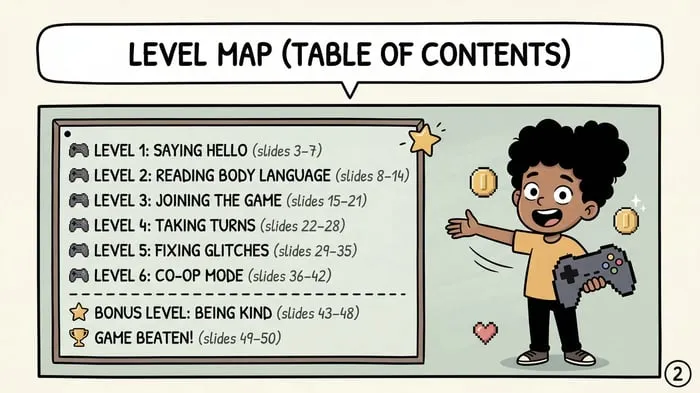
Social Skills Game for Kids: Friendly Faces & High Fives: A 50-page level-by-level game guide that makes practicing greetings, body language, and joining a group feel like play.
Related reading: Autism Social Skills Development: Practical Strategies for Growth and ADHD in Children: A Guide to Effective Classroom and Home Support.
Also on FromTeachers:
Key Takeaways
- Games make social practice low pressure and fun.
- Practice greetings, body language, joining groups, and turn-taking.
- Use visuals, small groups, and choices to include every child.
- Connect game practice to real moments at recess and home.

Leave a Comment