

Sensory trigger tracking helps teachers and parents see what sets off a child’s distress and what actually helps them calm down. Without notes, we rely on memory and guesses. However, memory is often wrong, especially on a busy school day.
Simple, consistent records reveal patterns that are easy to miss. For example, you may notice that meltdowns cluster after lunch or during fire drills. This guide shows how to track sensory needs in a quick, practical way and turn notes into better support.
Why Sensory Trigger Tracking Matters
Many children, especially autistic students and those with sensory processing differences, react strongly to sound, light, touch, or smell. Their reactions can look like defiance or “bad behavior.” In reality, the child may be overwhelmed.
So tracking shifts the question from “Why is he acting out?” to “What is happening around him?” As a result, adults respond with support instead of punishment.
Also, data helps teams make decisions. When you can show that a child calms faster with headphones, it becomes easier to add that support to the IEP.
In addition, tracking protects the child. When staff change or a substitute arrives, the notes explain what works. Because the information is written down, support stays steady. So sensory trigger tracking is also a gift to every future teacher.
What to Record in Sensory Trigger Tracking
Keep your notes short and focused. A simple sheet with a few columns is enough.
- Date and time: when did it happen?
- Setting and activity: where was the child, and what were they doing?
- Trigger: what sensory input came just before?
- Behavior: what did the child do? Describe actions, not labels.
- Intervention: what support did you offer?
- Effectiveness: did it help, and how quickly?
Next, describe behavior in observable terms. For instance, write “covered ears and ran to the corner” rather than “freaked out.” Clear words make patterns easier to see.
Also, note what happened before the trigger, not only the trigger itself. For example, a child may already be tired or hungry. Then a small noise feels huge. As a result, your notes tell a fuller story.
Common Sensory Triggers to Watch For
Every child is different. However, some triggers appear often in schools.
Sound
Fire alarms, loud cafeterias, hand dryers, and buzzing lights can overwhelm sensitive ears.
Sight
Bright lights, cluttered walls, and fast movement may feel chaotic.
Touch
Tags, certain fabrics, messy textures, and unexpected contact can cause distress.
Smell and taste
Strong cafeteria smells, perfumes, or cleaning products may trigger reactions.
Also, remember that some children seek more input. They may crash, spin, or chew. Sensory trigger tracking can capture these seeking patterns too.
Spotting Patterns With Sensory Trigger Tracking
One entry tells you little. However, two or three weeks of notes can reveal clear patterns. So review your data weekly.
Look for repeated times, places, and triggers. For example, you might see that most incidents happen in the gym or after recess. Then ask what sensory input those settings share.
In addition, compare interventions. Which ones worked fast? Which ones made things worse? As a result, you build a short list of proven supports for that child.
A weekly summary box makes this easier. Write the top trigger, the most helpful support, and one change to try next week.
Choosing Supports That Work
Once you know the triggers, you can plan supports. Some reduce input, while others give the body what it needs.
- Noise-reducing headphones for loud spaces
- A quiet break area with soft lighting
- Advance warning before fire drills or assemblies
- Movement breaks for children who seek input
- Chewy tools or fidgets for oral or hand needs
- Seating away from doors, windows, or busy areas
An occupational therapist can help choose the right tools. Also, the Understood website explains sensory processing challenges in clear language for families.
Sensory Trigger Tracking at School and Home
Children often react differently in each setting. So sharing data between home and school gives a fuller picture.
For example, a parent might notice that poor sleep leads to more sensitivity the next day. Meanwhile, the teacher may see that Mondays are always harder. Together, these notes explain more than either one alone.
In addition, invite the child to help when they are able. Older students can rate their own comfort level after an event. Because they know their bodies best, their input adds real value. Finally, this builds self-awareness and self-advocacy.
Next, use the same tracking sheet in both places. Then compare notes every week or two. This teamwork makes sensory trigger tracking far more useful.
Tips to Keep Sensory Trigger Tracking Simple
Tracking only works if adults actually do it. So keep it easy.
- Keep the sheet on a clipboard where it is easy to grab.
- Write short notes right after the event, not at the end of the day.
- Use abbreviations or check boxes for common triggers.
- Share the job among staff so no one is overloaded.
To get started fast, the sensory needs tracking sheet for students gives you one place to log triggers, behaviors, interventions, and results. Its weekly summary makes sensory trigger tracking quick and clear.
Frequently Asked Questions
How long should I track sensory triggers?
Track for at least two to three weeks to see patterns. Then continue as needed to check whether supports work.
Who should fill out the tracking sheet?
Any adult who sees the event can fill it in. However, agree on shared terms so entries stay consistent.
What if I cannot find a clear trigger?
Some triggers are internal, like hunger or fatigue. So add notes on sleep, food, and health to your records.
Ready-to-use resource:
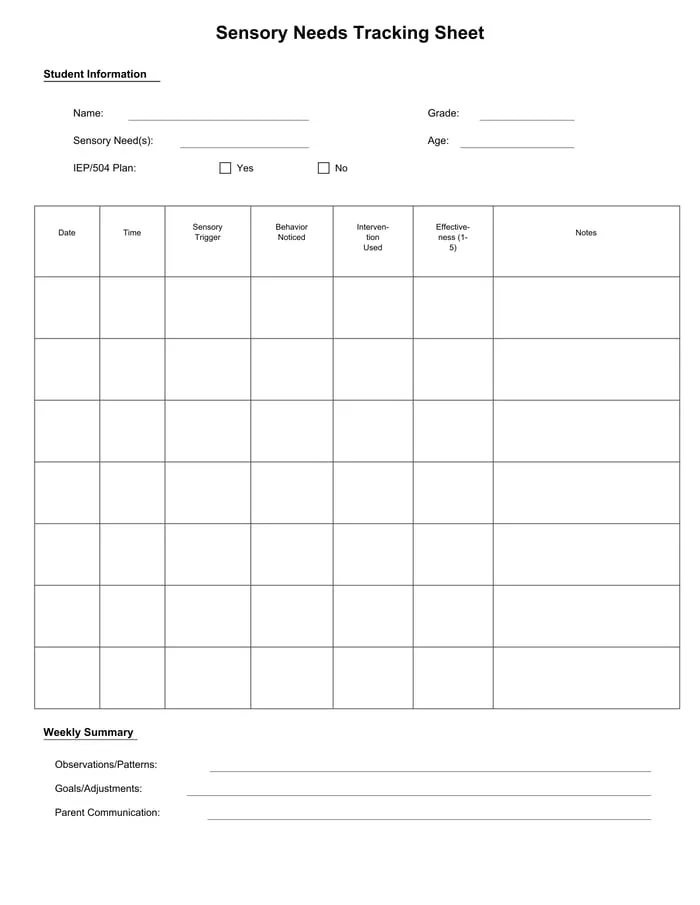
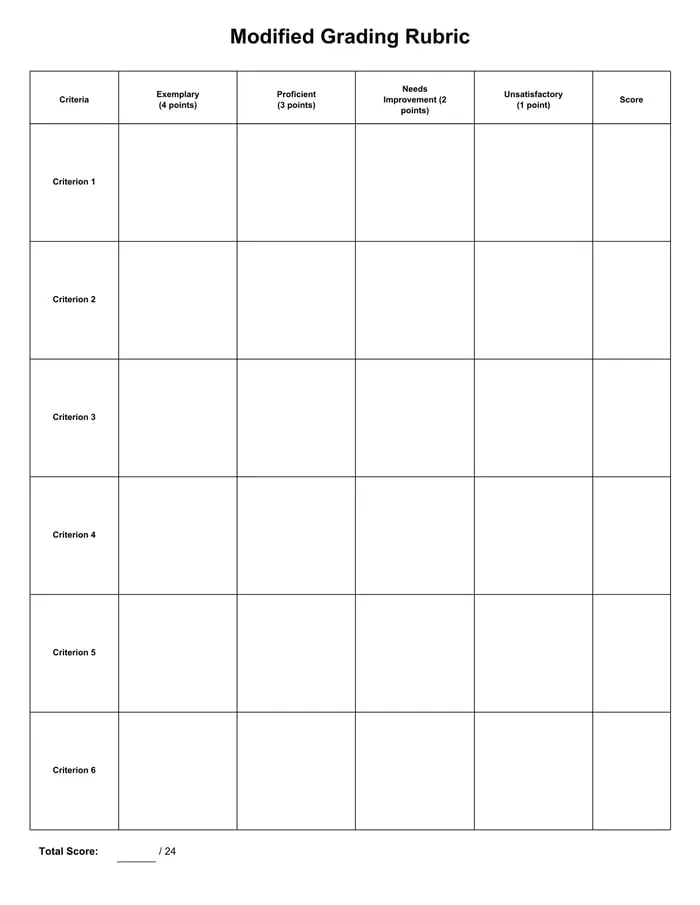
Sensory Needs Tracking Sheet for Students: A simple sheet to log triggers, behaviors, interventions, and results, plus a weekly summary to spot patterns.
Related reading: Managing Sensory Overload and Special Education Tracking Tools.
Also on FromTeachers:
Key Takeaways
- Tracking replaces guesses with clear, useful data.
- Record trigger, behavior, intervention, and effectiveness each time.
- Review notes weekly to find patterns and proven supports.
- Share one tracking sheet between home and school.










Leave a Comment