

Good special education teacher organization turns a chaotic week into a manageable one. With clear systems, paperwork, behavior plans, and lessons stop competing for the same few minutes.
If you often finish the day feeling like you need ten more hours, you are not alone. This guide shares practical systems for planning, behavior, accommodations, and paperwork that busy special educators can set up quickly.
Why Special Education Teacher Organization Matters
Special educators juggle more roles than most teachers. You teach, plan, collect data, write IEPs, coach staff, and talk with families. Each role brings its own paperwork.
Without systems, small tasks pile up. As a result, deadlines sneak up and data gets lost. However, a few simple routines can prevent most of that stress.
In addition, organization protects students. When documents and plans are easy to find, every adult can support each child correctly.
Start With a Weekly Planning Routine
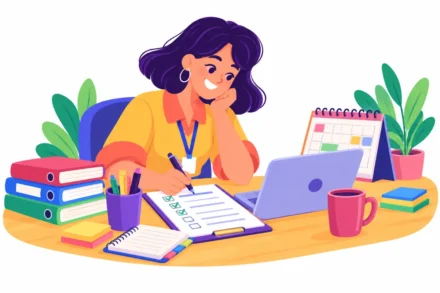
First, choose one planning time each week and protect it. Many teachers prefer Friday afternoon or Monday morning.
- Review upcoming IEP meetings and deadlines.
- Plan lessons and groups for the week.
- Prepare materials and copies.
- Check data from last week and adjust goals.
- Schedule parent contacts.
Then, keep a single planner for everything. Switching between many apps and notebooks wastes time.
Also, end each planning session with a short top-three list. These are the tasks that must happen this week, no matter what. As a result, urgent work never hides behind smaller jobs. Because special education weeks rarely go to plan, a short list keeps you focused.
Special Education Teacher Organization for Behavior Support
Behavior plans only work when everyone follows them. Because of this, store behavior tools where staff can grab them fast.
- Keep a one-page behavior summary for each student.
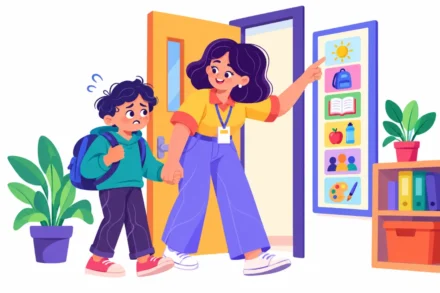
- Post visual supports near each work area.
- Use simple data sheets on clipboards.
- Review behavior data weekly with your team.
Also, teach paraprofessionals the plan directly. A short model and practice session works better than a long written document.
Keeping Accommodations Visible
Accommodations get forgotten when they live only in the IEP. Therefore, create quick reference sheets for each class or co-teacher.
For example, a grid can list each student’s name and key supports, such as extended time or read-aloud. Then general education teachers can check it before every test.
Also, keep accommodation tools ready to use. Graphic organizers, timers, and visual checklists should be easy to grab. The IDEA website explains the legal basis for these supports.
Paperwork and Data Systems
Paperwork is often the biggest stress point. So, build a system you can keep up daily.
- Binder or folder per student: IEP at a glance, data, and contact log.
- Color coding: one color per grade or caseload group.
- Data in five minutes: quick tallies right after each session.
- Digital backups: scan key forms once a month.
Next, set a simple rule. Touch each paper once, then file, act, or recycle it.
Special Education Teacher Organization That Protects Your Time
Finally, systems should protect your energy too. Teacher burnout in special education is real, and organization is one way to fight it.
So, batch similar tasks together. For instance, write all progress reports in one session. Also, use templates for emails, lesson plans, and meeting agendas.
In addition, set a firm stop time each day. Unfinished tasks will still be there tomorrow. For a ready-made system, this SPED teacher success manual gathers behavior strategies, accommodation ideas, planning tools, and organization systems in one place.
Special Education Teacher Organization in Your Classroom Space
Your physical room is part of your system. A clear layout saves time for you and reduces confusion for students.
First, create zones for different activities. For example, set up a small group table, an independent work area, and a calm corner. Then label each zone with words and pictures.
Next, store materials near where they are used. Also, use clear bins and labels so students and staff can find things without asking. As a result, you get fewer interruptions during lessons.
- Keep a bin of ready-made activities for early finishers.
- Store substitute plans in one clearly labeled folder.
- Post the daily schedule where everyone can see it.
- Keep data clipboards near each teaching station.
In addition, plan for staff. Paraprofessionals need to know where schedules, plans, and supplies live. A one-page room guide helps new staff and substitutes settle quickly.
Because classrooms change through the year, review your layout each quarter. Notice where clutter builds up or where students get stuck. Then adjust the space to match how the class really works.
Also, involve students in keeping the room tidy. For example, assign simple jobs like returning bins or wiping tables. As a result, students build independence while the room stays ready for learning.
Finally, keep your own desk simple. Strong special education teacher organization starts with a clear space for the work that matters most.
Frequently Asked Questions About Special Education Teacher Organization
Paper or digital: which is better?
Both work. Choose the one you will actually use every day, and keep backups of key documents.
How do I organize a large caseload?
Use a master list with every student’s IEP date, services, and minutes. Then review it at the start of each month.
How long does setup take?
A basic system takes one or two afternoons. After that, small daily habits keep it running.
Ready-to-use resource:
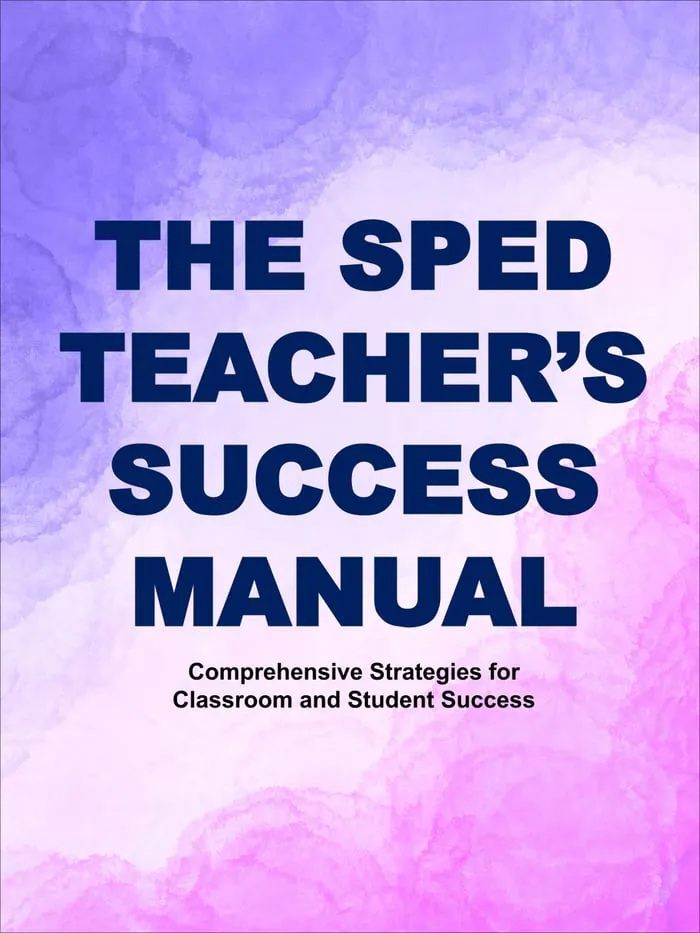

SPED Teacher Success Manual: Behavior, Accommodations, and Planning Tools: one manual with behavior strategies, accommodation ideas, lesson planning tools and organization systems for busy special educators.
Related reading: Special Education Accommodation and Modification Tracker and Special Education Strategies: 10 Powerful Ways Teachers Can Succeed.
Also on FromTeachers:
Key Takeaways
- Special education teacher organization saves time and protects students.
- A weekly planning routine keeps deadlines and lessons on track.
- Keep behavior plans and accommodations visible for every adult.
- Simple paperwork habits and templates prevent burnout.






Leave a Comment