

IEP meeting follow up is where good plans become real support. A strong meeting means little if services start late or no one tells the family what happens next.
Most teachers put their energy into preparing for the meeting. That makes sense. However, the steps after the meeting matter just as much. This guide covers the full cycle, with special focus on what happens once everyone leaves the room.
Why IEP Meeting Follow Up Matters
During the meeting, the team agrees on goals, services, and supports. Yet each decision needs someone to act. Without clear follow-through, small tasks get lost.
For example, a new speech service may need a schedule change. Or a new accommodation may need to reach every teacher. If no one owns those steps, the student waits.
Also, families notice. Prompt IEP meeting follow up shows that their input mattered. As a result, trust grows for the next meeting.
Before the Meeting: Plan for Follow-Through
Good follow-through begins before the meeting starts. First, gather current data, work samples, and staff input. Then draft present levels and possible goals.
Next, make a simple action list template. Include columns for the task, the owner, and the due date. You will fill it in live during the meeting.
Also, check who must attend. Missing members can delay decisions. Then send notices and confirm attendance a day ahead.
What to Bring on the Day
Arrive with everything in one folder. That way, you stay calm and focused.
- Copies of the draft IEP for each member
- A printed agenda
- Recent data charts and work samples
- Parent input notes from earlier contacts
- Your blank action list
- Contact details for all team members
In addition, bring a pen and sticky notes. Small tools help you capture decisions quickly.
During the Meeting: Capture Every Decision
As the team talks, write down each decision as it happens. Then read it back. For instance, “So we agree on 30 minutes of reading support daily, starting Monday. Is that right?”
Next, assign an owner and a date for each action. Owners should be people, not departments. “Ms. Lee will update the schedule by Friday” is clear. “The school will update it” is not.
Finally, close the meeting by reviewing the action list aloud. That simple habit prevents most IEP meeting follow up problems.
The First 48 Hours of IEP Meeting Follow Up
The first two days after the meeting matter most. So act while details are fresh.
First, finalize the document and collect any needed signatures. Then send the family a copy and a short summary in plain language.
Next, share the new plan with every staff member who works with the student. Include general education teachers, aides, and specialists. Also, highlight what changed, so busy colleagues see it quickly.
After that, update your data sheets. Old goals on old sheets cause confusion fast.
Writing a Family Summary for IEP Meeting Follow Up
Parents often leave a meeting tired and full of information. So a written summary helps them remember what was decided.
First, keep it short. One page is usually enough. Next, use plain words instead of school terms. For example, write “extra reading help each day” instead of a service code.
Then list what changes, who will do it, and when it starts. Also, add your contact details and the best time to reach you. Finally, invite questions. A family that feels free to ask is a family that stays involved.
The First Month: Check That Services Start
Decisions on paper are not the same as services in action. Therefore, check that each service actually begins.
For example, ask the speech therapist whether new sessions are on the calendar. Likewise, visit a general education class to see whether accommodations are in use.
Also, send families a brief update after a few weeks. A short note such as “The new reading group started on Monday” builds confidence. The IDEA website explains the school’s duty to provide the services written in the IEP.
If you want one tool for the whole cycle, this IEP meeting preparation checklist for teachers covers the before, during, and after steps in one place.
Keeping IEP Meeting Follow Up Organized Across a Caseload
Many teachers manage ten, twenty, or more IEPs. So one system for all students saves time.
For instance, keep a master action list sorted by due date. Then review it each Monday morning. Cross off finished tasks and chase the overdue ones.
In addition, color-code by student or by type of task. Visual cues help you spot problems at a glance. Over time, this weekly habit becomes second nature.
Common Mistakes With IEP Meeting Follow Up
- **No named owners.** Tasks without owners rarely get done.
- **Waiting too long.** Details fade fast after a meeting. Act within two days.
- **Forgetting general education staff.** They need the new plan too.
- **No family update.** Silence after a meeting can worry parents.
Also, keep a copy of every summary you send. Records help if questions come up later.
Frequently Asked Questions About IEP Meeting Follow Up
How soon should I send a summary to parents?
Aim for one or two days after the meeting. A short, plain-language note works well.
Who is responsible for follow-up tasks?
Usually the case manager coordinates. However, each task should have a named owner from the team.
What if a service does not start on time?
Contact the provider right away and record the delay. Then inform the family and agree on a start date.
Ready-to-use resource:
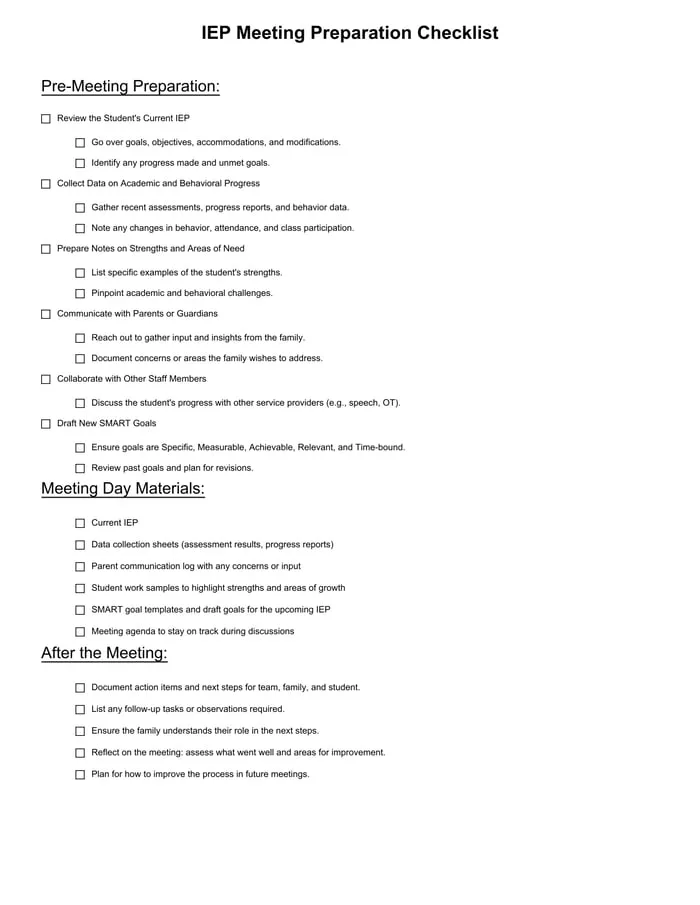
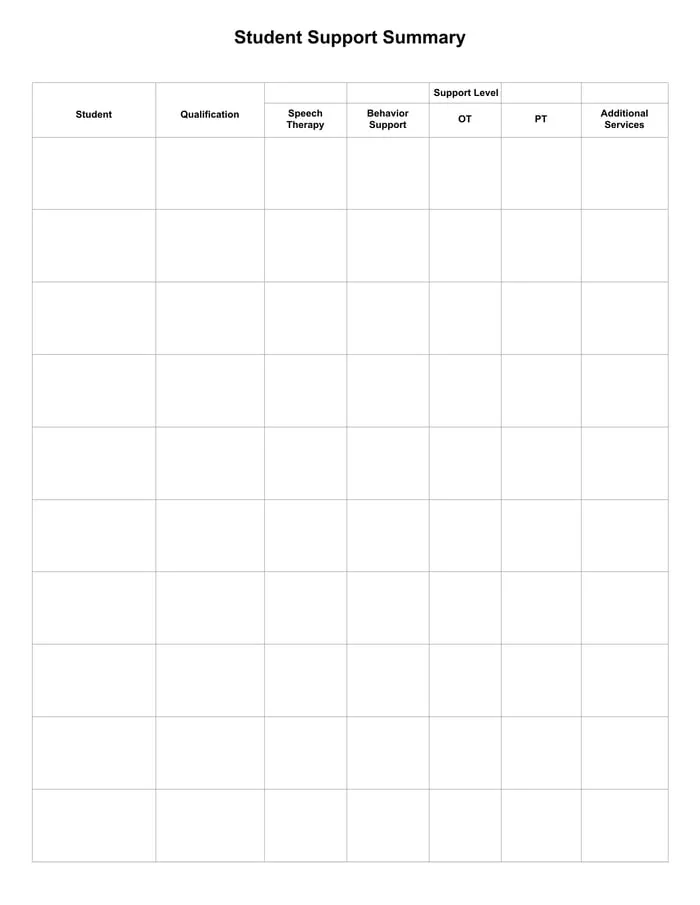
IEP Meeting Preparation Checklist for Teachers: A clear checklist for what to prepare before the meeting, what to bring on the day, and what to follow up on afterward, so nothing slips.
Related reading: How Teachers Communicate With Parents in Special Education and Special Education Tracking Tools.
Also on FromTeachers:
Key Takeaways
- IEP meeting follow up turns team decisions into real services.
- Prepare an action list before the meeting and fill it in live.
- Finalize, share, and update data sheets within 48 hours.
- Check that services start, and keep families informed along the way.










Leave a Comment