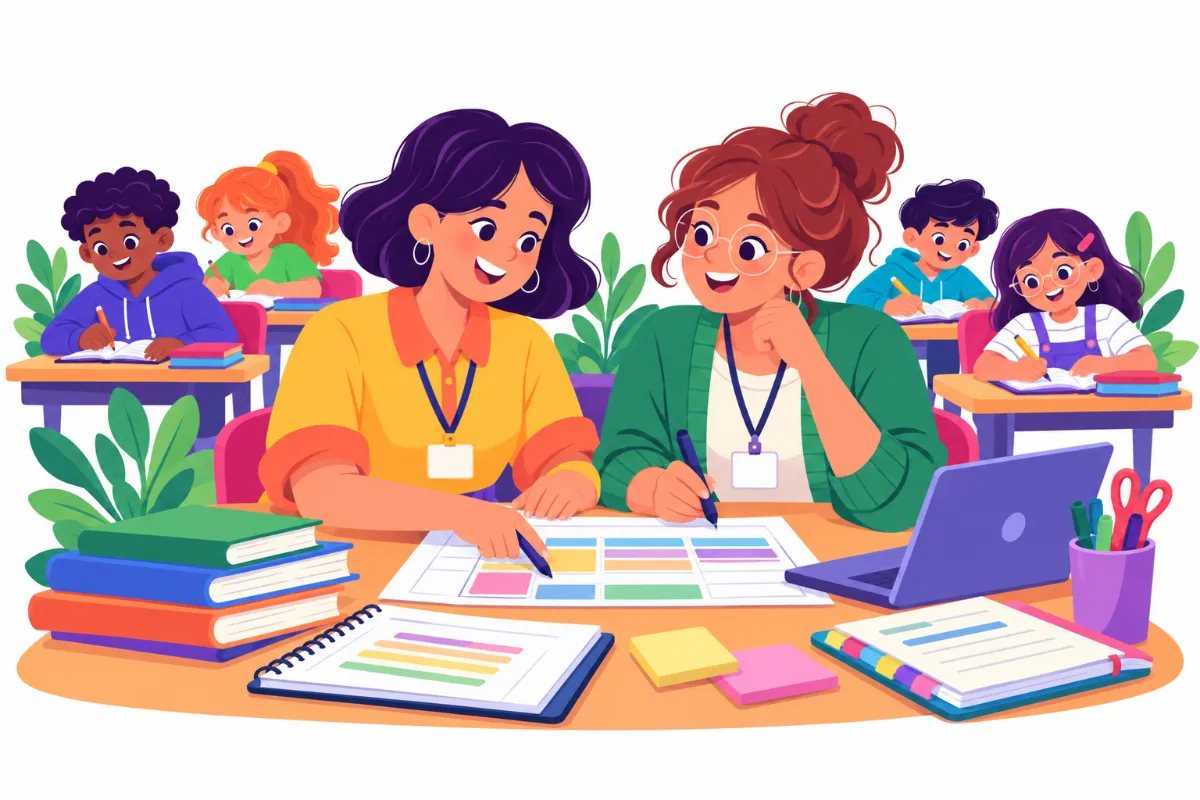

Co-teaching collaboration strategies make the difference between two adults sharing a room and two teachers truly teaching together. When roles, pacing, and expectations line up, students benefit from double the expertise.
However, alignment rarely happens by accident. This guide shares practical ways to plan, communicate, and check in so your partnership stays strong all year.
Why Co-Teaching Needs Structure
In many inclusive classrooms, a general education teacher and a special education teacher share students. Each brings different strengths. For example, one may know the content deeply while the other knows how to adapt it.
Without structure, though, one teacher often becomes the “helper.” As a result, students with disabilities may not get the specialized instruction they need. Clear systems keep both teachers active and valued.
Defining Roles With Co-Teaching Collaboration Strategies
First, talk openly about who does what. Next, write it down so nothing is assumed.
- Instruction: who leads which lessons or parts of lessons.
- Grading: who grades which assignments and how modifications are handled.
- Communication: who contacts families about what.
- Paperwork: who manages IEP data and progress monitoring.
Also, revisit roles each quarter. Needs shift as the year moves forward.
Choosing a Co-Teaching Model
Several models exist, and good partners switch between them. Because each fits different goals, match the model to the lesson.
One Teach, One Observe
One teacher leads while the other collects data. This works well for progress monitoring.
Station Teaching
Students rotate between stations, and each teacher leads one. Groups are smaller, so instruction is more targeted.
Parallel Teaching
Both teachers teach the same content to half the class. As a result, more students participate.
Team Teaching
Both teachers lead together, sharing the lesson. It requires strong trust and planning.
Making Shared Planning Time Count
Time is the biggest challenge in most partnerships. Therefore, protect a regular planning slot, even if it is short.
For example, 20 focused minutes a week can cover upcoming lessons, student concerns, and who leads what. Use a simple agenda so meetings stay on track. In addition, share a digital folder for plans and materials.
Finally, end each meeting with clear next steps. Write down who will prepare which materials before the next session.
Aligning Behavior Expectations
Students notice when two adults respond differently. Consequently, mixed messages can lead to confusion and testing limits.
Therefore, agree on class rules, routines, and responses. Decide together how to handle common behaviors like calling out or leaving a seat. Also, review any individual behavior plans so both teachers follow them the same way.
Checking In With Observation Logs
Regular check-ins catch problems early. Next, use a short observation log to note how lessons went and whether roles were balanced.
- Did both teachers lead instruction this week?
- Were accommodations delivered as planned?
- Did students respond well to the grouping?
- What should change next week?
A ready co-teaching toolkit with observation logs makes these check-ins quick and consistent.
Handling Disagreements Respectfully
Every partnership has friction at times. However, conflict handled well builds trust. First, address concerns privately, never in front of students.
Next, focus on student outcomes instead of personal preferences. Ask, “What would help our students most?” Also, assume good intent. Finally, if issues persist, ask an instructional coach or administrator to support a conversation.
Building a Strong Partnership Over Time
Great co-teaching grows with experience. For example, celebrate small wins together, such as a lesson that clicked or a student who made progress.
In addition, learn from each other. The general educator can share content knowledge, while the special educator shares strategies for access. Research-based guidance from the IDEA website explains why students with disabilities should access the general curriculum, which is the heart of effective co-teaching collaboration strategies.
Communicating as a Team With Families
Families should see both teachers as equal partners. Therefore, sign newsletters and emails with both names. Also, attend parent conferences together when possible.
In addition, agree on who answers which questions. For example, the general educator may handle content questions while the special educator explains accommodations and IEP progress. Clear roles prevent mixed messages at home.
Finally, share good news often. A quick positive note from both teachers builds trust and makes harder conversations easier later.
A Quick Weekly Check-In Routine
Strong co-teaching collaboration strategies rely on short, regular reflection. For example, spend five minutes each Friday answering three questions: What worked? What did not? What will we change?
Next, record answers in a shared log. Over weeks, the log reveals patterns, such as one model working better for math or a student who needs more small-group time. As a result, your planning becomes sharper and more student-centered.
Also, review the log before each quarterly role conversation. It turns opinions into evidence and keeps discussions focused on students.
Frequently Asked Questions
How much planning time do co-teachers need?
Aim for at least one protected session per week. Even 20 to 30 minutes helps if it is used consistently.
What is the most common co-teaching mistake?
Relying only on “one teach, one assist.” Rotating models keeps both teachers active and students engaged.
How do co-teachers share grading?
Decide in advance who grades which tasks, and agree on how modified work will be scored.
Ready-to-use resource:
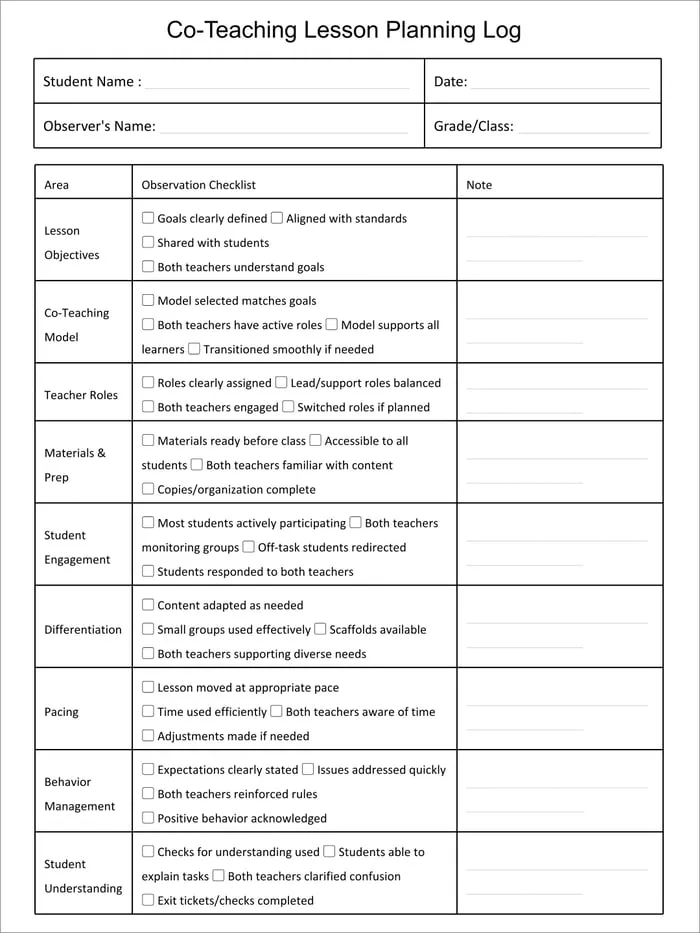
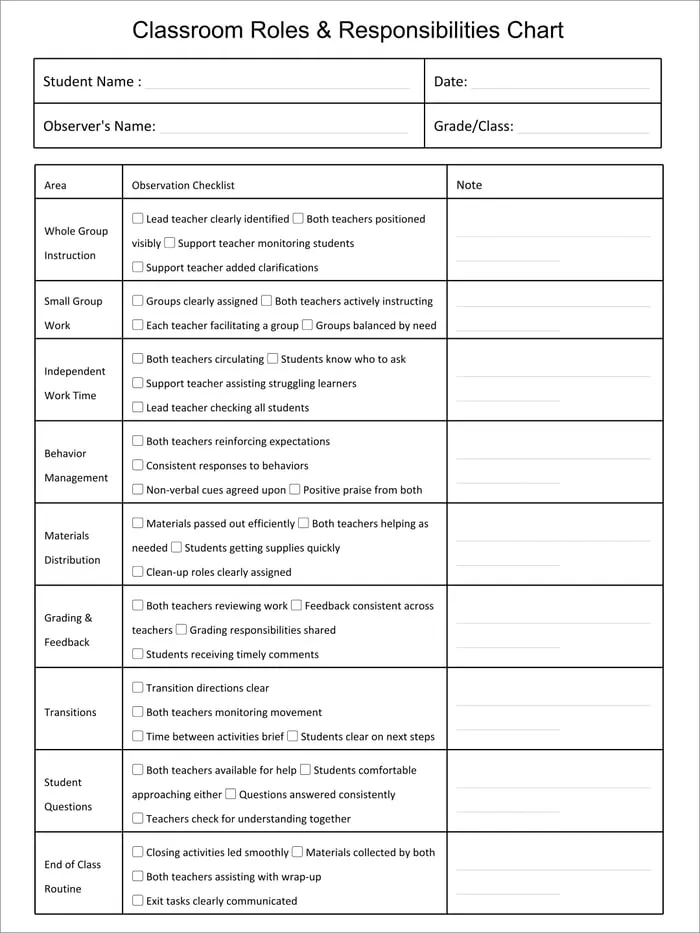
Co-Teaching Collaboration Toolkit: Observation logs and check-in forms that help co-teachers align roles, pacing, and behavior expectations week after week.
Related reading: How Parents and Teachers Can Team Up for Special Education Success and Special Education Strategies: 10 Powerful Ways Teachers Can Succeed.
Also on FromTeachers:
Key Takeaways
- Co-teaching collaboration strategies start with clear, written roles.
- Protect a short weekly planning time, even 20 minutes.
- Agree on behavior expectations so students get one consistent message.
- Use observation logs to check alignment and adjust early.


Leave a Comment