

IEP meeting prep can feel like juggling a dozen tasks at once. Notices must go out, assessments must be scheduled, providers must be invited, and drafts must be ready. If you have ever walked into a meeting wondering whether you sent the right form, you know how stressful it can be.
Fortunately, a simple routine makes the whole process calmer. This guide walks case managers through each stage of preparation, from the first assessment plan to the day of the meeting. As a result, you can focus on the student instead of scrambling for paperwork.
Why IEP Meeting Prep Needs a System
Case managers often handle many students with different timelines. One student may need a triennial reevaluation, while another needs an annual review or an amendment. Without a system, details slip through the cracks.
In addition, missed steps can create legal and practical problems. For example, a late notice may require rescheduling, which frustrates families and staff. A clear checklist protects timelines and builds trust. The IDEA website outlines the federal requirements behind many of these steps.
IEP Meeting Prep: Four to Six Weeks Out
- Check the due date for the annual review or reevaluation.
- Send the assessment plan if testing is needed, and track when consent returns.
- Notify providers who will assess, such as the SLP, OT, or school psychologist.
- Request input from general education teachers.
- Gather recent work samples and progress monitoring data.
Starting early gives everyone time to complete assessments and write thoughtful reports.
Two to Three Weeks Before the Meeting
- Schedule the meeting. First, contact the family to find a time that works for them.
- Send the meeting notice. Next, include the date, time, location, purpose, and attendees.
- Confirm attendees. Then make sure required team members can attend or have excusal forms ready.
- Arrange supports. Request an interpreter or virtual meeting link if needed.
Also, reach out to the family personally. A short phone call about their concerns sets a positive tone.
IEP Meeting Prep: The Week Before
This week is about drafts and data. Therefore, collect all reports and begin assembling the IEP.
- Draft present levels using current data.
- Draft goals based on identified needs.
- Review accommodations and services with providers.
- Share a draft or summary with the family, following district practice.
- Prepare a simple agenda.
Sharing information early allows parents to come with questions, not surprises. As a result, the meeting runs more smoothly.
The Day Before and the Day Of
Final checks prevent last-minute stress. For example, confirm the room, technology, and attendance. Print copies of the agenda and key documents.
- Send a friendly reminder to the family.
- Test the video link for virtual attendees.
- Bring sign-in sheets and parent rights information.
- Have water, tissues, and pens ready.
Meanwhile, take a moment to review the student’s strengths. Starting the meeting with something positive helps everyone feel like a team.
Keeping IEP Meeting Prep Organized for Every Student
Using the same checklist for every meeting builds a reliable habit. Keep one form per student and check off tasks as you go. Store it in the student’s working file so you always know what is complete.
A ready-made tool can help. This editable IEP meeting checklist for case managers keeps every pre-meeting task on one page, from the assessment plan to invitations and drafts.
In addition, a master calendar of due dates across your caseload helps you see busy months ahead.
After the Meeting
Preparation for the next meeting starts as soon as this one ends. Therefore, finish follow-up tasks promptly.
- Send final documents to the family.
- Share the updated IEP with all service providers and teachers.
- Update service schedules and caseload charts.
- Record the next annual review date.
Finally, reflect briefly on what went well and what to adjust next time. Small improvements add up across a whole caseload.
Smarter IEP Meeting Prep Habits
Experienced case managers rely on a few simple habits. For instance, they block planning time each week just for IEP tasks. They also keep templates for notices, emails, and agendas so they never start from scratch.
Similarly, batching tasks saves time. Send all teacher input requests for the month on one day, and schedule several meetings in the same week when possible.
Involving the Student in IEP Meeting Prep
Students are often left out of preparation, yet they know a lot about what helps them learn. Therefore, include them whenever it is appropriate. Even young students can share likes, dislikes, and goals through a short interview or picture survey.
For older students, invite them to help write a few sentences for present levels or to lead part of the meeting. This builds self-advocacy and makes the plan more meaningful. Transition-age students should have a strong voice in setting post-school goals.
- Ask, “What is easy for you at school? What is hard?”
- Review accommodations together and ask which ones help.
- Practice a short introduction the student can share at the meeting.
As a result, the student sees the IEP as their plan, not something done to them.
Frequently Asked Questions
How far in advance should I start preparing?
Ideally four to six weeks before the due date, especially when assessments are needed.
Should parents receive a draft before the meeting?
Many districts share drafts so parents can prepare. Follow your district’s guidance.
What if a required team member cannot attend?
Follow your district’s excusal process, which usually requires written parent agreement and written input from that member.
Ready-to-use resource:
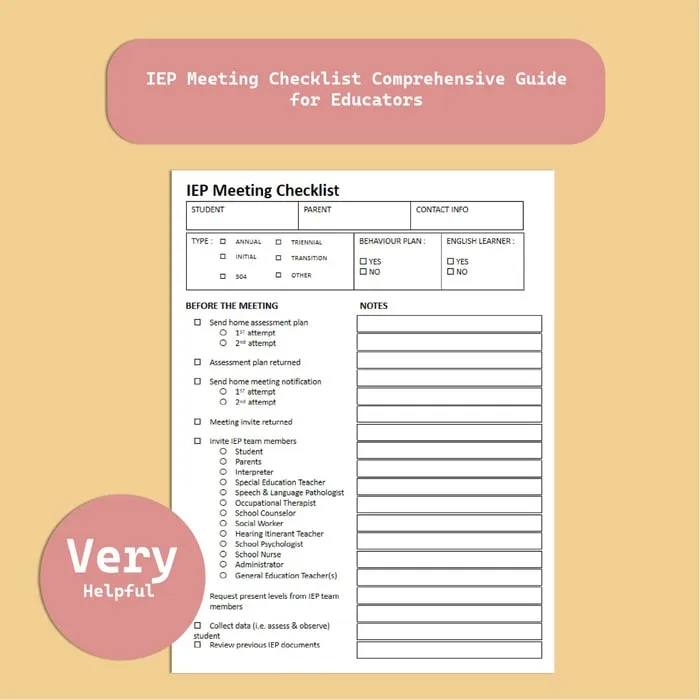
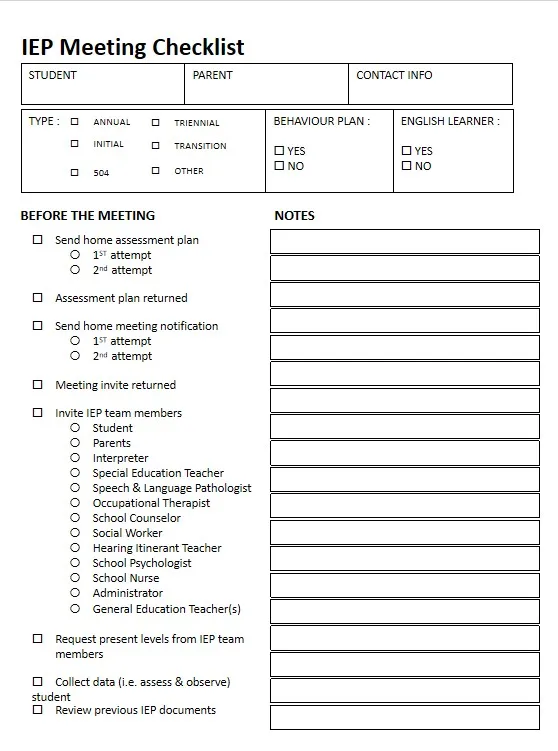
IEP Meeting Checklist: Editable Prep Form for Case Managers: An editable one-page form that keeps every pre-meeting task in one place, from the assessment plan to the final invitation.
Related reading: How Teachers Communicate With Parents in Special Education and Bridging Gaps: A Practical Handbook on Special Education.
Also on FromTeachers:
Key Takeaways
- Start preparing four to six weeks before the due date.
- Use the same checklist for every student to protect timelines.
- Share information with families early to avoid surprises.
- Complete follow-up tasks right after each meeting.










Leave a Comment