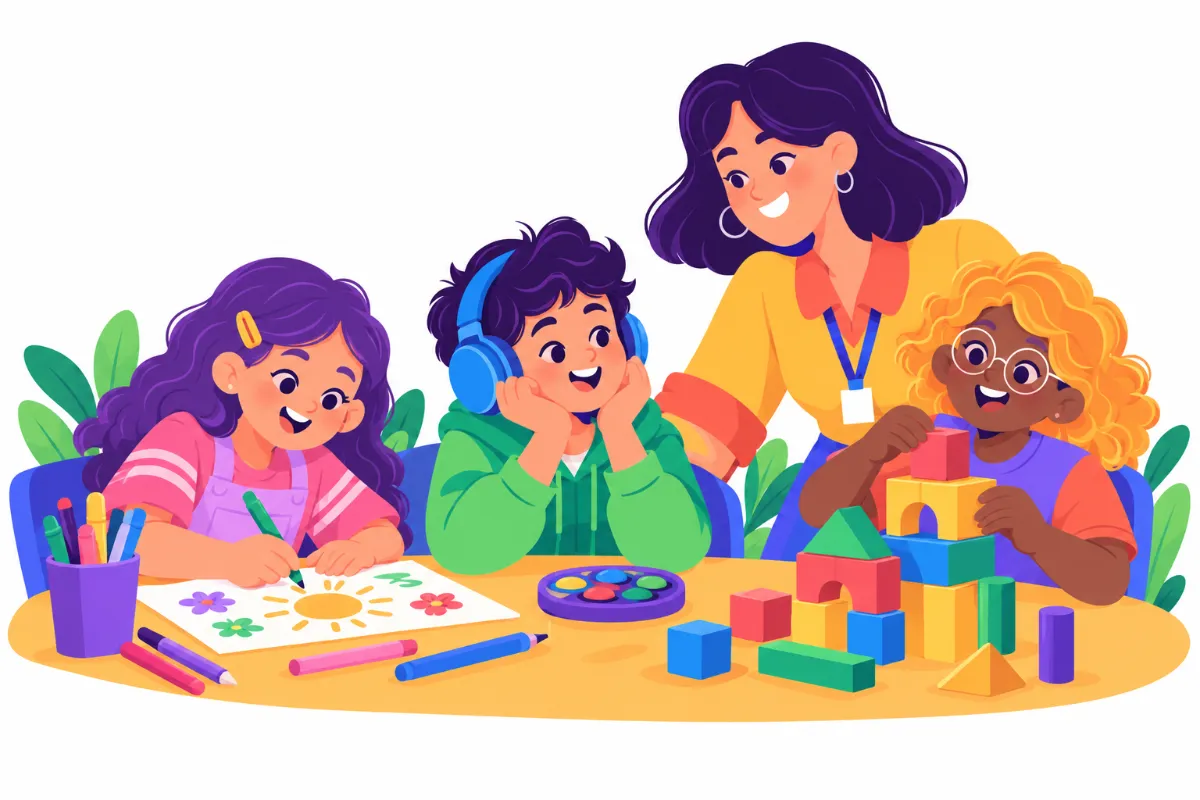

Talking about learning styles for kids is a friendly way to start a bigger conversation: how does my brain work best? When children explore that question, they become more aware, more patient, and more willing to try new strategies.
However, the goal is not to put kids in a box. Instead, we want them to notice their preferences, test different tools, and respect that classmates learn in different ways. That mindset helps every learner, including students with ADHD, dyslexia, or autism.
What Learning Styles for Kids Really Mean
Most children have favorite ways to take in information. Some love pictures and diagrams. Others like to talk things through, while some need to move or build.
Research has not shown that teaching only to one style improves results. In fact, most kids learn best with a mix of seeing, hearing, and doing. So think of learning styles as a starting point for self-discovery, not a label.
When framed this way, the topic builds metacognition. That is the skill of thinking about your own thinking. As a result, kids start asking, “What helps me remember this?”
Common Preferences Kids Notice
Use simple, kid-friendly categories. They give children words to describe what they already feel.
- Seeing learners: enjoy pictures, color coding, charts, and videos.
- Listening learners: remember songs, read-alouds, and spoken directions.
- Moving learners: learn by building, acting out, or using hands-on materials.
- Talking learners: understand ideas better after explaining them to someone.
- Quiet thinkers: need calm time alone to process before sharing.
Most kids will pick more than one. That is the point. Because brains are flexible, the best strategy often depends on the task.
Activities to Explore Learning Styles for Kids
Discovery works better than a quiz alone. So let children try different ways to learn the same thing, then reflect.
The three-station challenge
First, teach five new vocabulary words at three stations. One uses pictures, one uses a song, and one uses gestures. Next, ask kids which station helped them remember the most.
My brain map
Then have students draw a simple brain and fill it with things that help them learn. For example, “music helps me focus” or “I need to move when I think.”
Strategy try-outs
Also, give a week of mini experiments. On Monday, kids study with flashcards. On Tuesday, they teach a partner. By Friday, they vote on their favorites.
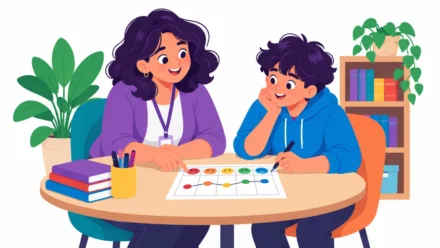
A visual guide can make these lessons easier to run. The How My Brain Works learning styles activity walks kids through discovering their own style with pictures, prompts, and reflection pages.
Mistakes to Avoid With Learning Styles for Kids
A few common slips can undo the benefits. First, avoid telling a child, “You are a visual learner, so you cannot learn by listening.” That closes doors instead of opening them.
Second, do not plan every lesson around one preference. Kids still need to build weaker skills, such as listening carefully or writing notes. In contrast, a mix of methods keeps every brain engaged.
Third, revisit the topic during the year. Children grow, and so do their preferences. A quick check-in each term keeps learning styles for kids useful and current.
Respecting How Others Learn
This topic is also a lesson in empathy. When kids see that a friend needs quiet while they need noise, conflicts shrink. In addition, students stop thinking that different means wrong.
Try a class chart where everyone adds one thing that helps them learn. Then talk about how the room can work for many brains at once. For instance, you might add a quiet corner and a standing table.
This also supports students with learning differences. A child with dyslexia may rely more on listening. Likewise, a child with ADHD may need movement to focus. Normalizing these needs builds a kinder classroom.
Using Learning Styles for Kids at Home
Parents can join in with small, low-pressure habits. The goal is to help your child notice what works during homework and practice.
- Ask, “Would it help to draw this, say it, or act it out?”
- Let your child try reading aloud, then silently, and compare.
- Offer movement breaks during long tasks.
- Praise the effort to find a strategy, not just the grade.
Over time, your child builds a personal toolkit. Then homework becomes less of a struggle, because they know what to try first.
From Learning Styles for Kids to Self-Advocacy
Once kids know what helps them, they can ask for it. That is a powerful step. For example, a student might say, “Can I see the steps written down?”
Teach simple request scripts and practice them. Also, remind kids that needs can change by subject. A strong math visualizer may still prefer to talk through a story.
For older students, this links to formal supports. Organizations like Understood share helpful ideas on helping kids understand their own learning and attention differences.
Frequently Asked Questions
Are learning styles for kids scientifically proven?
Teaching to one fixed style is not well supported. However, helping kids reflect on what works for them is a useful self-awareness skill.
What age is best for this topic?
Children from about age six can explore it with simple words. Older kids can go deeper with reflection and goal setting.
Can a child have more than one learning style?
Yes. Most children use several, and the best mix often changes with the task.
Ready-to-use resource:
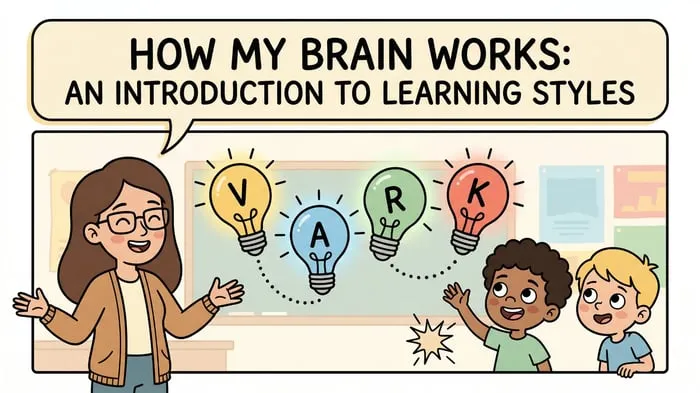
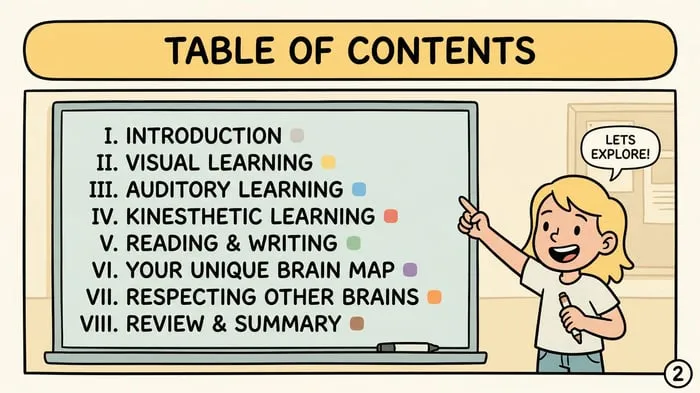
How My Brain Works: A Learning Styles Activity for Kids: A 50-page visual guide that helps kids explore how their brain works and builds respect for the ways others learn.
Related reading: Learning styles student success guide and practical tips to boost classroom focus.
Also on FromTeachers:
Key Takeaways
- Learning styles for kids work best as a tool for self-discovery, not as a fixed label.
- Let children test seeing, hearing, moving, and talking strategies, then reflect.
- Use the topic to build empathy for classmates who learn differently.
- Help kids turn what they learn about themselves into simple self-advocacy.
Leave a Comment