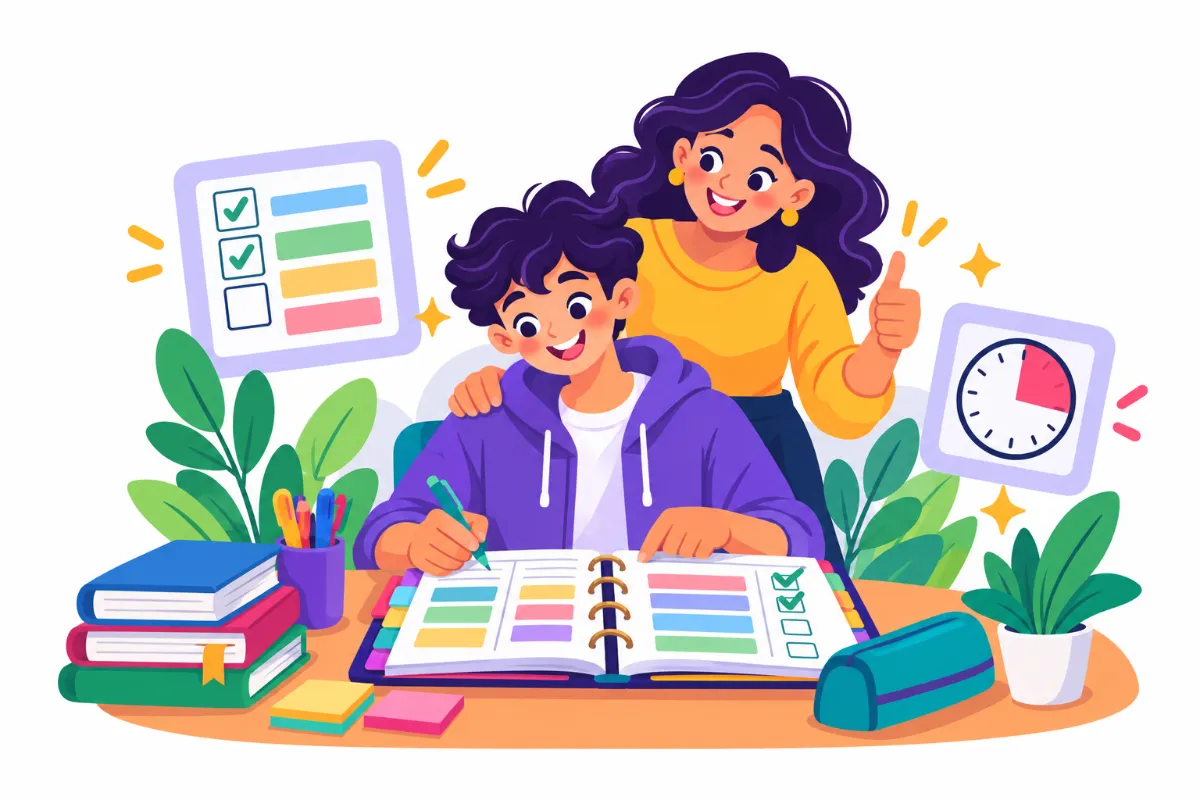

Missing assignments, a backpack full of crumpled papers, and projects started the night before they are due. Of course, it is easy to label these teens as lazy or unmotivated. Often, the real issue is executive functioning, the brain’s management system, which is still developing well into the mid-twenties and is especially challenged in students with ADHD, autism, and learning disabilities.
What Is Executive Functioning?
To begin with, executive functions are the mental skills that help us plan, focus, remember instructions, and manage multiple tasks. They include:
- Planning and prioritizing: deciding what to do first
- Organization: keeping track of materials and information
- Time management: estimating how long things take
- Task initiation: getting started without a push
- Working memory: holding information in mind while using it
- Self-monitoring: noticing mistakes and adjusting
- Emotional control: managing frustration to keep going
Why Executive Functioning Is Hard in the Teen Years
Meanwhile, middle and high school suddenly demand much more independence: multiple teachers, long-term projects, online portals, and fewer reminders. At the same time, the parts of the brain responsible for executive functioning are still maturing. For neurodivergent teens, that gap can be huge.
10 Executive Functioning Strategies That Actually Work
1. Externalize everything
If it is not written down, it does not exist. First, use one planner or app, not five, and check it at the same times every day.
2. Break big tasks into visible steps
“Write an essay” becomes: choose topic, find three sources, write outline, draft intro, and so on. Next, put each step on the calendar.
3. Make time visible
Analog clocks, visual timers, and time-blocking help teens see time passing instead of guessing.
4. Use a launch routine
A short, fixed routine before homework (snack, clear desk, open planner, set timer) reduces the effort of getting started.
5. Try “body doubling”
Also, working next to someone else, even quietly, makes task initiation and focus easier for many teens.
6. Color-code subjects
Match folders, notebooks, and calendar entries by color so materials are quick to find.
7. Do a weekly reset
For example, fifteen minutes every Sunday or Friday to empty the backpack, update the planner, and preview the week prevents most crises.
8. Estimate, then check
In addition, have teens guess how long a task will take, then time it. As a result, this slowly builds realistic time awareness.
9. Coach, don’t rescue
Ask “What’s your plan?” instead of fixing the problem for them. Then, gradually fade support as skills grow.
10. Praise the process
Finally, celebrate using the planner or starting early, not just good grades. Above all, strategies stick when they are noticed.
Executive Functioning Supports for an IEP or 504 Plan
- Chunked assignments with interim due dates
- A daily or weekly check-in with a case manager
- Copies of class notes or guided notes
- Extended time on long-term projects
- Explicit instruction in organization and planning skills
Ready-to-use resource:
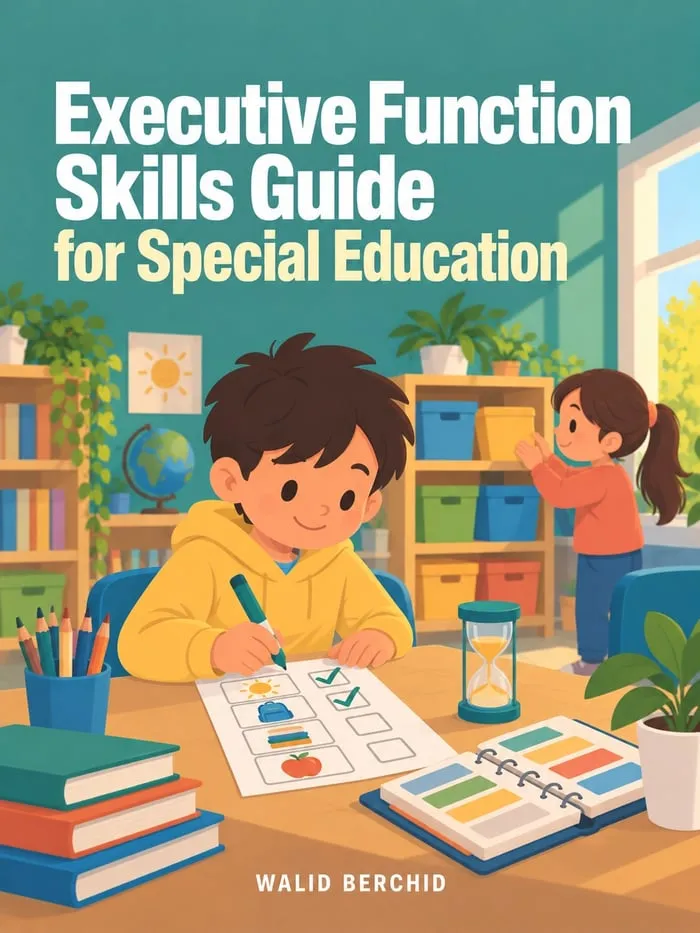
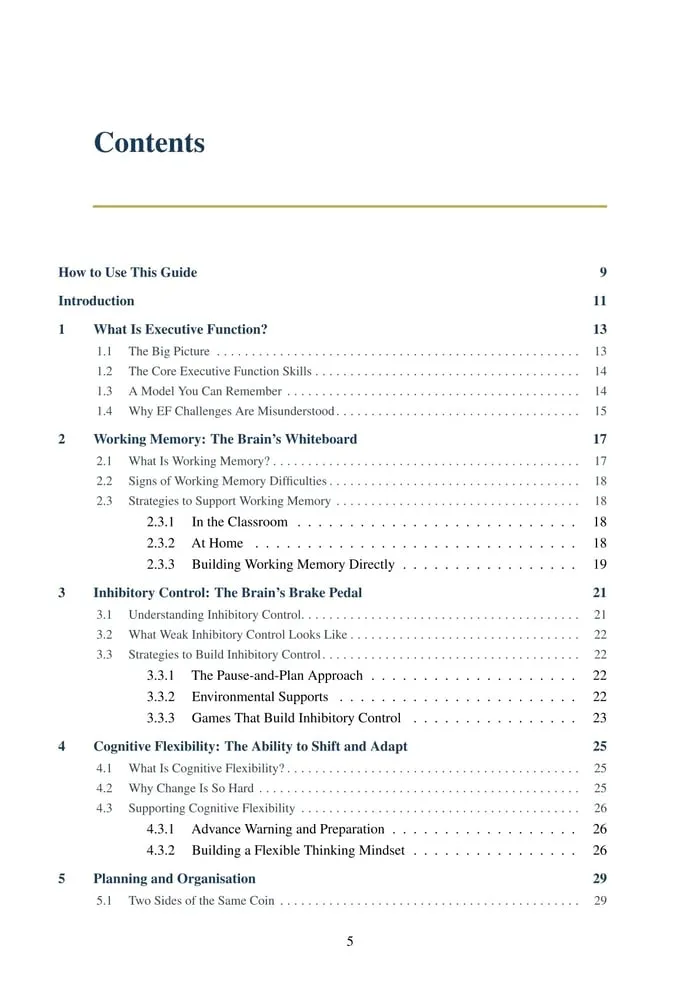
The Executive Function Skills Guide for Special Education includes clear strategies and printable tools for planning, organization, time management, and task initiation.
Related reading: ADHD in Children: Effective Classroom and Home Support and Effective ADHD Classroom Strategies to Support Student Success.
Also on FromTeachers:
Key Takeaways
- In summary, disorganization is often a skills gap, not a motivation problem.
- Externalize information, break tasks down, and make time visible.
- Also, coach teens toward independence instead of rescuing them.
- In addition, formal supports in an IEP or 504 plan can make a real difference.









Leave a Comment