

Understanding and supporting individuals with high-functioning autism requires specialized approaches that recognize both their strengths and challenges. This comprehensive guide provides practical strategies for high-functioning autism that help navigate social complexities, emotional regulation, and daily life demands. Discover how effective high-functioning autism strategies can create pathways to success and fulfillment across all life domains.

Understanding High-Functioning Autism in Today’s World
Modern approaches to high-functioning autism focus on leveraging unique strengths while providing targeted support for specific challenges. Effective high-functioning autism strategies recognize that cognitive abilities often mask underlying struggles with social interaction, sensory processing, and emotional regulation that require thoughtful intervention and understanding.
Get comprehensive guidance: Spectrum Voices: Navigating High-Functioning ASD
Key Strategies for High-Functioning Autism Success
This essential resource provides high-functioning autism strategies across these critical areas:
- Social Navigation – Understanding unwritten social rules and building meaningful connections
- Emotional Regulation – Identifying, expressing, and managing complex emotions
- Executive Functioning – Developing organization, planning, and time management skills
- Sensory Integration – Creating environments that support sensory needs
- Self-Advocacy – Communicating needs and accommodations effectively
Practical Approaches for Daily Implementation
These evidence-based high-functioning autism strategies can be implemented immediately:
- Social Scripting – Preparing for conversations and social situations in advance
- Emotional Literacy – Building vocabulary and awareness for emotional experiences
- Environmental Modifications – Creating low-stimulus workspaces and retreat areas
- Visual Scheduling – Using visual supports for planning and transitions
- Strength-Based Learning – Leveraging special interests and intense focus areas
- Mindfulness Practices – Developing self-awareness and present-moment focus
The Spectrum Voices Guide provides detailed implementation plans for each of these high-functioning autism strategies.
Building Support Systems and Communities
Successful navigation of high-functioning autism involves creating supportive networks:
- Peer Mentoring – Connecting with others who share similar experiences
- Family Education – Helping loved ones understand and provide appropriate support
- School Accommodations – Implementing effective educational supports and modifications
- Workplace Strategies – Creating environments that enable professional success
- Therapeutic Support – Accessing specialized counseling and coaching services

For a deeper look at how supports differ, read our guide on accommodations vs modifications in special education.
Your Comprehensive High-Functioning Autism Resource
This essential Spectrum Voices Guide by Berchid Walid includes:
- Practical social navigation techniques and scripts
- Emotional regulation exercises and activities
- Executive functioning support templates
- Sensory integration strategies and environmental modifications
- Self-advocacy training and communication guides
- Educational and workplace accommodation plans
Start navigating successfully today! Get the Spectrum Voices Guide
For more resources on autism support and neurodiversity, visit our educational blog.
Furthermore, explore our guides to autism social skills development and Asperger syndrome characteristics. For more on diagnosis and support, visit the CDC autism resources.
Ready-to-use resource:
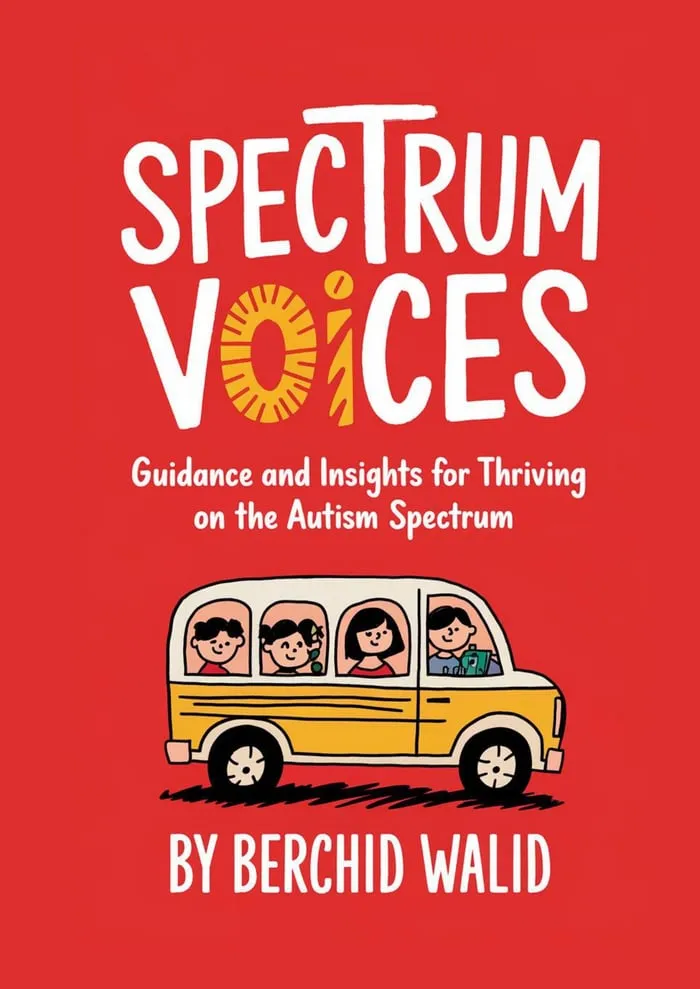
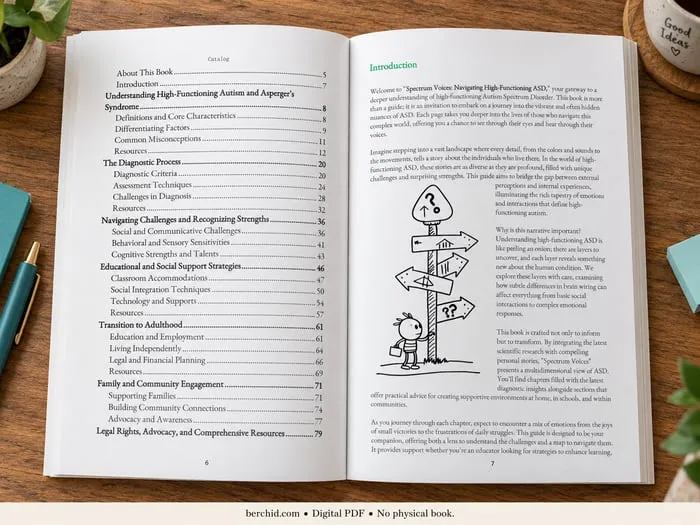
High-Functioning Autism Guide: Social Skills, Sensory Needs, and Self-Advocacy — A strengths-based guide to high-functioning autism and Asperger’s with practical tools for social, sensory and transition needs.










2 Comments