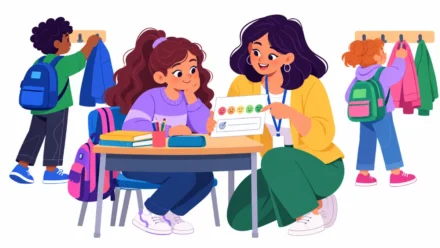
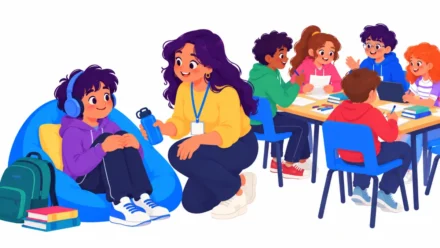
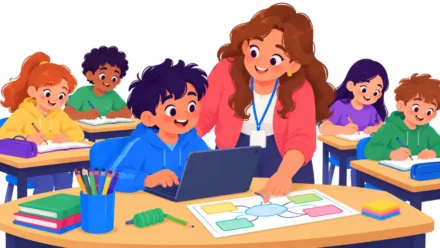
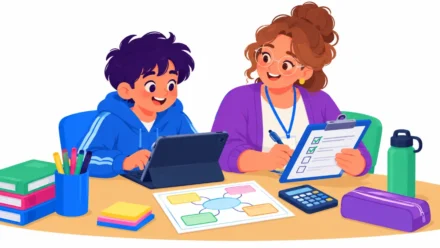
Eight classroom signs that a student in grades 4 to 8 may benefit from a short daily check-in, ranked from obvious to subtle, plus a simple way to start one.
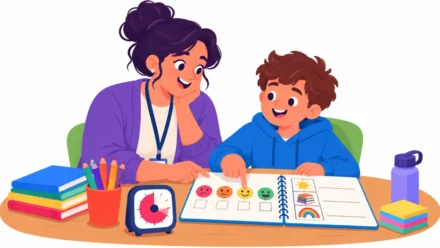
Seven ways to adapt a daily reflection journal for students with IEPs, from pointing at a feeling face to writing a short goal, ranked by how much writing each one needs.
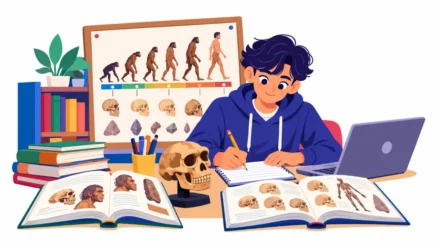
Choosing a strong essay topic is half the work. These ten human evolution essay topics for high school students are ranked from easiest to research to most demanding, with tips on sources and structure.
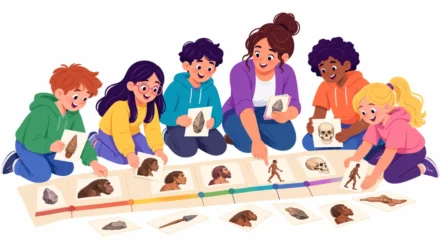
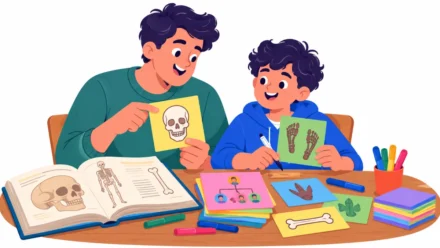
Twelve key words from the study of human origins, from fossil to ancient DNA, with kid-friendly definitions, examples and simple ways parents can help them stick.
Twelve parent tips for sensory friendly grocery shopping with young children, from choosing quiet hours and headphones to a picture list, a job in the store and a calm exit plan.
Seven signs of sensory overload middle school teachers can notice in hallways, labs and classrooms, from covered ears to sudden shutdowns, with calm responses for each.
Ten writing accommodations for dysgraphia that upper elementary teachers can use, ranked from the easiest to set up, plus a simple way to track which supports actually help.
A practical list for paraprofessionals and aides: eight accommodation documentation mistakes, why they matter to the IEP team and quick fixes for each.
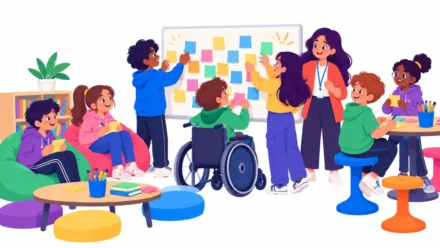
Ten activities that help every student in an inclusive middle school class feel they belong, from quick daily routines to student-designed spaces, ranked by time needed.