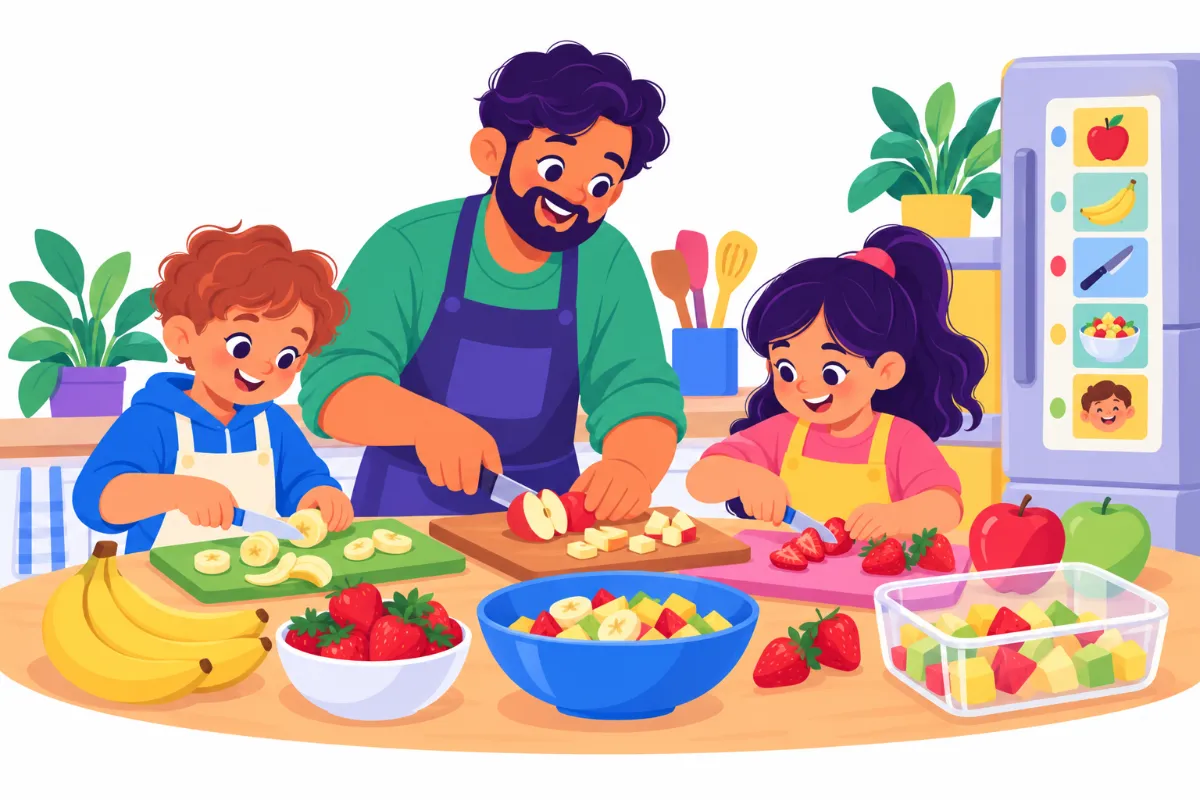

Healthy habits for kids stick best when children understand why they matter, not just that they are the rule. When kids know how sleep helps their brain or how food gives them energy, they are more likely to join in willingly.
This guide covers three pillars of daily health: sleep, nutrition, and routines. Each section offers simple ideas for parents and teachers.
Why Healthy Habits for Kids Matter
Daily habits shape how children feel, learn, and behave. For example, a tired child may struggle to focus, while a hungry one may become irritable. Small routines make a big difference.
In addition, habits learned early often last. Teaching them now gives children tools they will use for life.
Building a Bedtime Routine
Sleep is the foundation of good days. Therefore, a predictable bedtime routine helps the body know it is time to rest.
- Same time: keep bedtime consistent, even on weekends when possible.
- Wind down: dim lights and turn off screens before bed.
- Simple steps: bath, pajamas, teeth, story, lights out.
- Calm space: a quiet, comfortable bedroom.
Also, explain why sleep matters. “Sleep helps your brain remember what you learned today” is easy for kids to understand. The CDC sleep pages list recommended sleep hours by age.
Healthy Eating Made Simple
Nutrition does not need to be complicated. First, focus on variety: fruits, vegetables, grains, and proteins. Next, offer regular meals and snacks so kids are not overly hungry.
Involve Kids in Food
Children are more likely to try foods they helped choose or prepare. For example, let them wash vegetables or pick a fruit at the store.
Avoid Food Battles
However, pressure often backfires. Offer new foods alongside familiar ones and let kids decide how much to eat.
Teach Simple Food Ideas
Use kid-friendly language like “go foods” for energy and “grow foods” for strong bodies. Avoid labeling foods as good or bad.
Healthy Habits for Kids Through Daily Routines
Predictable routines reduce stress and arguments. Because kids know what comes next, they need fewer reminders.
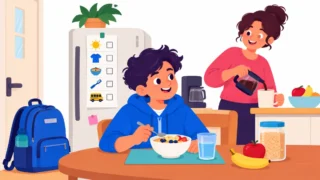
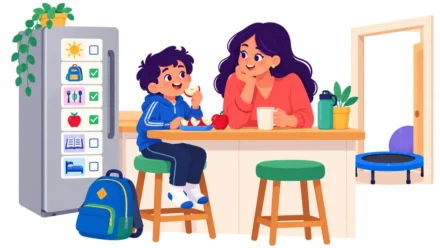
For example, a morning routine might be: wake up, use the bathroom, get dressed, eat breakfast, brush teeth, pack bag. Then post it as a picture chart where kids can see it.
In addition, routines help children with ADHD or autism, who often benefit from clear structure. Visual schedules give them independence.
Movement and Play
Active play supports both body and mind. Therefore, build movement into every day: a walk after dinner, a dance break, or outdoor play.
Also, limit long stretches of sitting. Short movement breaks during homework can improve focus. Finally, make activity fun rather than a chore so kids look forward to it.
Teaching Healthy Habits at School
Teachers can reinforce the same ideas. For example, discuss why breakfast matters during morning meeting. Next, include movement breaks between lessons.
Also, use class discussions about sleep and screen time. Kids often listen differently when a teacher explains a habit. A visual resource, like this kids’ guide to sleep, nutrition, and routines, makes these lessons easy to teach.
Making Habits Stick
Change takes time. Therefore, introduce one new habit at a time. Once it feels natural, add another.
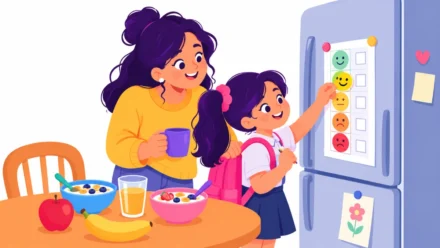
Next, celebrate progress with praise or a simple sticker chart. However, focus rewards on effort rather than perfection. Above all, model the habits yourself. Kids copy what adults do far more than what they say.
In addition, involve kids in setting goals. A child who chooses “I will drink water with lunch” feels more ownership than one who is told to. Finally, review habits together each week and adjust when something is not working.
Screen Time and Healthy Balance
Screens are part of modern childhood. However, too much screen time can crowd out sleep, play, and family time. Therefore, set clear limits that fit your family.
For example, keep screens out of bedrooms and turn them off an hour before bed. Next, create screen-free zones like the dinner table. Also, offer appealing alternatives such as board games, crafts, or outdoor play.
In addition, explain the reason behind limits. When kids understand that screens can make it harder to fall asleep, they are more likely to cooperate. Finally, model balanced use yourself, because children notice when adults are always on their phones.
Hygiene Habits Kids Can Own
Handwashing, brushing teeth, and bathing are everyday healthy habits for kids. Use picture steps by the sink so children can follow them independently. Also, sing a short song to time handwashing or brushing.
Frequently Asked Questions
How can I start healthy habits for kids who resist change?
Start small with one habit, explain why it helps, and give choices within the routine. Consistency builds acceptance.
How much sleep do children need?
It depends on age. Health agencies like the CDC publish recommended ranges, and most school-age children need more than adults.
Are reward charts helpful?
They can be, especially at first. Over time, fade rewards as the habit becomes automatic.
Ready-to-use resource:
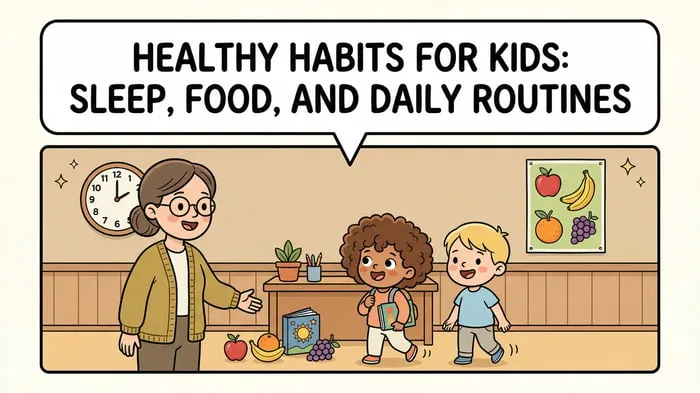
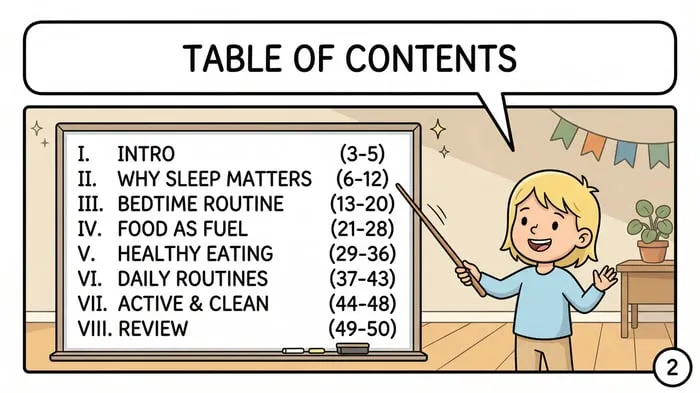
Healthy Habits for Kids: Sleep, Nutrition & Routines: A 50-page visual guide that explains sleep, food, and daily routines in a way kids understand and remember.
Related reading: ADHD in Children: A Guide to Effective Classroom and Home Support and Navigating the Path to Adulthood: Building Essential Life Skills.
Also on FromTeachers:
Key Takeaways
- Healthy habits for kids stick when children understand why they matter.
- A predictable bedtime routine supports better sleep.
- Involve kids in choosing and preparing healthy foods.
- Visual routine charts build independence at home and school.




Leave a Comment