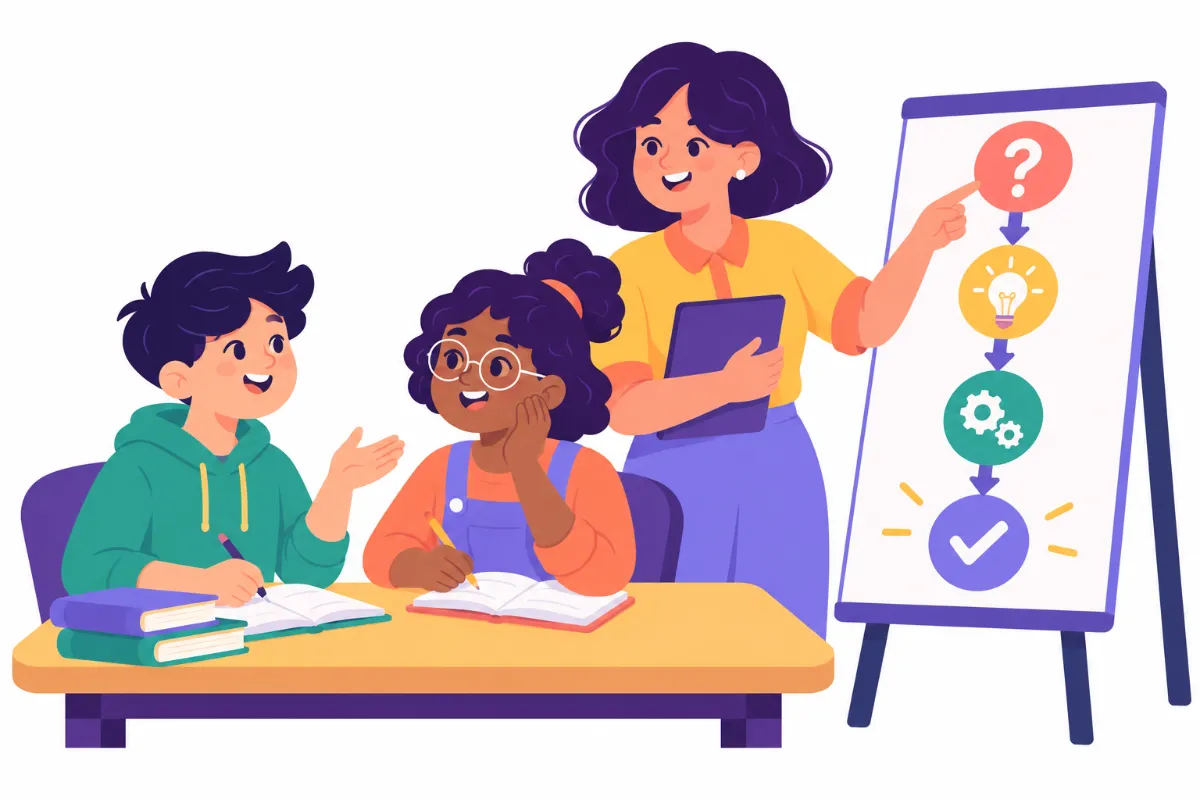

Autism conflict resolution skills often decide whether a good friendship survives its first bad day. Picture a sixth grader who has finally found a lunch partner, then loses him after one argument about the rules of a card game. He did not mean to be unkind. He simply did not know what to do once the conflict started, so he walked away and never came back to fix it.
This guide gives you five steps to teach conflict and friendship skills in a way autistic students can use: understand the conflict from both sides, build the friendship basics first, teach a short repair routine, practice it through role play, and support it across the classroom and home. By the end, you will have a clear teaching sequence and a simple way to see whether it is working.
Examples are fictional. Adapt to the student’s goals and agreed supports. This is guidance, not a diagnosis.
At a glance
- Conflict between autistic and non-autistic peers usually involves misunderstanding on both sides.
- Teach noticing, approaching, and conversation skills before you teach repair.
- Use one short, consistent routine for solving a problem with a friend.
- Practice in calm role play, starting simple and building up.
- Share the same words with families and peers so the skill travels.
1. Understand autism conflict resolution from both sides
Before you teach anything, look closely at the conflicts that actually happen. Many adults assume the autistic student is the one who “caused” the problem. In reality, misunderstandings often run in both directions. Researchers describe this as the double empathy problem: people with different ways of communicating can find each other hard to read.
That idea changes how you approach autism conflict resolution. Instead of only asking the autistic student to change, you teach peers that a direct comment is not always rude, and that a student who walks away may need a break rather than wanting to end the friendship.
Start by collecting a few real examples over two weeks. For each one, note what happened just before, what each student said or did, and how it ended. Keep the notes factual and short.
Consider Jonah, a fictional sixth grader who enjoys card games and building sets. His teacher, Mr. Hale, wrote down four conflicts.
| Situation | What Jonah did | How it ended |
|---|---|---|
| Partner changed game rules | Said “That’s cheating” loudly | Partner left |
| Peer took his seat at lunch | Stood and waited, said nothing | Ate alone |
| Group chose another topic | Put his head down | Adult stepped in |
| Friend teased him as a joke | Pushed the friend’s tray | Office referral |
Looking at the table, a pattern appears that will shape your autism conflict resolution plan. Jonah reacts to changes in rules and to jokes he takes literally, and he has no words for repair afterward. As a result, the teaching target becomes clear: help him pause, name the problem, and choose a fix.
Also ask Jonah how he saw each situation. In his view, the card game partner “broke the rules on purpose.” That perspective is real and worth respecting, even while you teach him other options.
2. Build friendship basics before teaching repair
Autism conflict resolution skills sit on top of friendship skills. If a student does not yet know how to approach a peer or keep a conversation going, a repair routine has nothing to repair. So spend time on the building blocks first.
Break friendship into small, teachable parts. First, noticing: who seems interested in the same things? Next, approaching: how do I join an activity? Then conversation: how do I start, keep it going, and end it politely? Finally, keeping a friendship: what do friends do for each other over time?
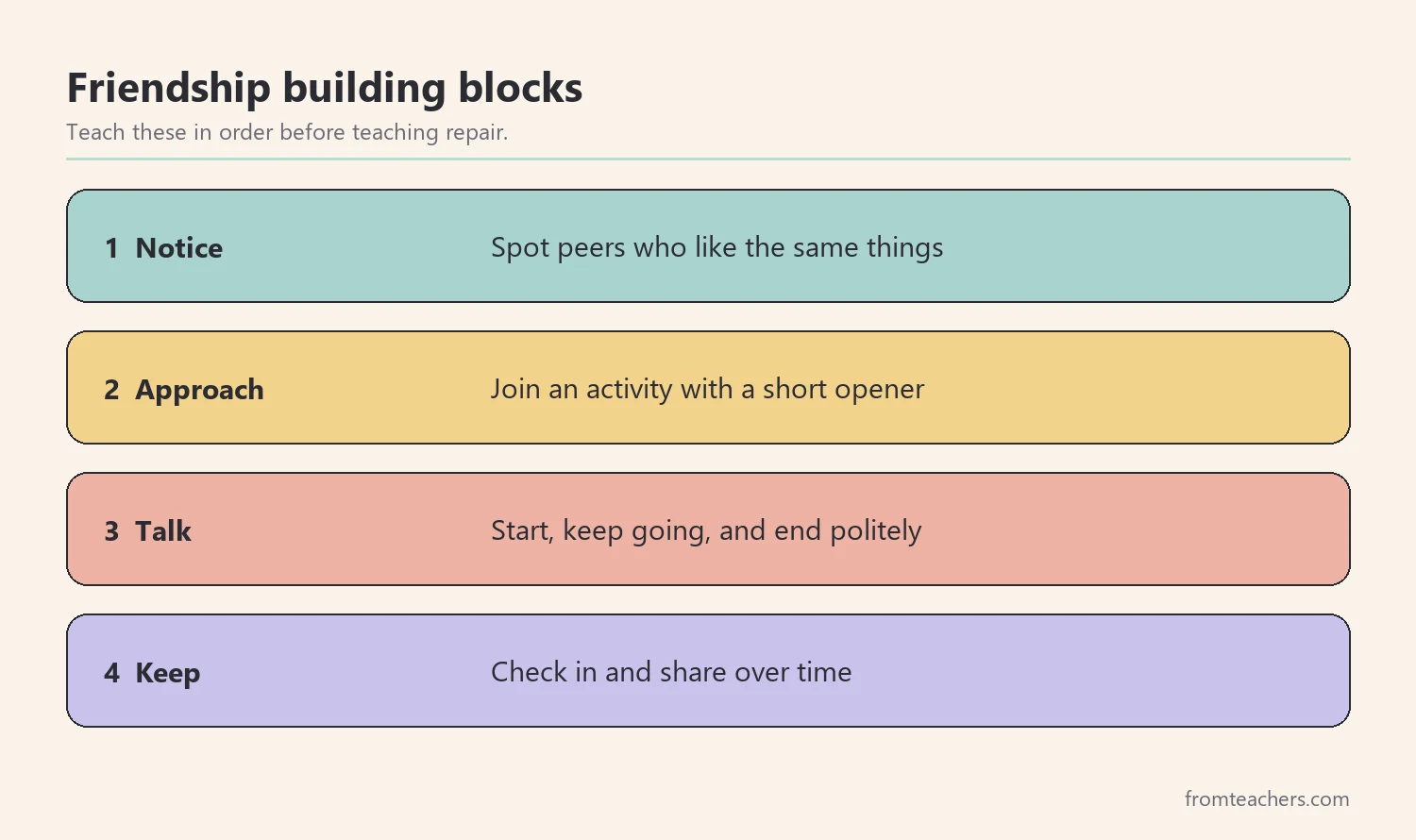
For Jonah, Mr. Hale focused on two pieces. Jonah knew how to approach classmates who liked cards, but he struggled to end a conversation without simply walking off. Peers read that as rude. Therefore, Mr. Hale taught a short closing script: “I’m going to go now. See you at recess.”
Keep scripts short and flexible. A script is a starting point, not a rule the student must follow word for word. Over time, encourage the student to change the wording so it sounds like him.
In addition, teach friendship skills in the student’s areas of interest. A card club or building group gives natural reasons to talk, share, and take turns. These shared activities also create low-pressure chances to practice autism conflict resolution later, because small disagreements happen naturally.
Finally, celebrate small wins. When Jonah ended a conversation with his closing script, Mr. Hale quietly told him, “That was a friendly way to leave.” Specific praise helps the skill stick.
3. Teach a short autism conflict resolution routine
Now teach an autism conflict resolution routine the student can use when a problem starts. Keep it to four parts or fewer, and use the same words every time. When stress rises, a long list is hard to remember, but a short one can be practiced until it feels automatic.
A simple routine might look like this: stop and breathe, name the problem, say how you feel with an I-message, and choose a fix. An I-message follows a pattern such as “I feel ___ when ___. Can we ___?” It lets the student explain without blaming.
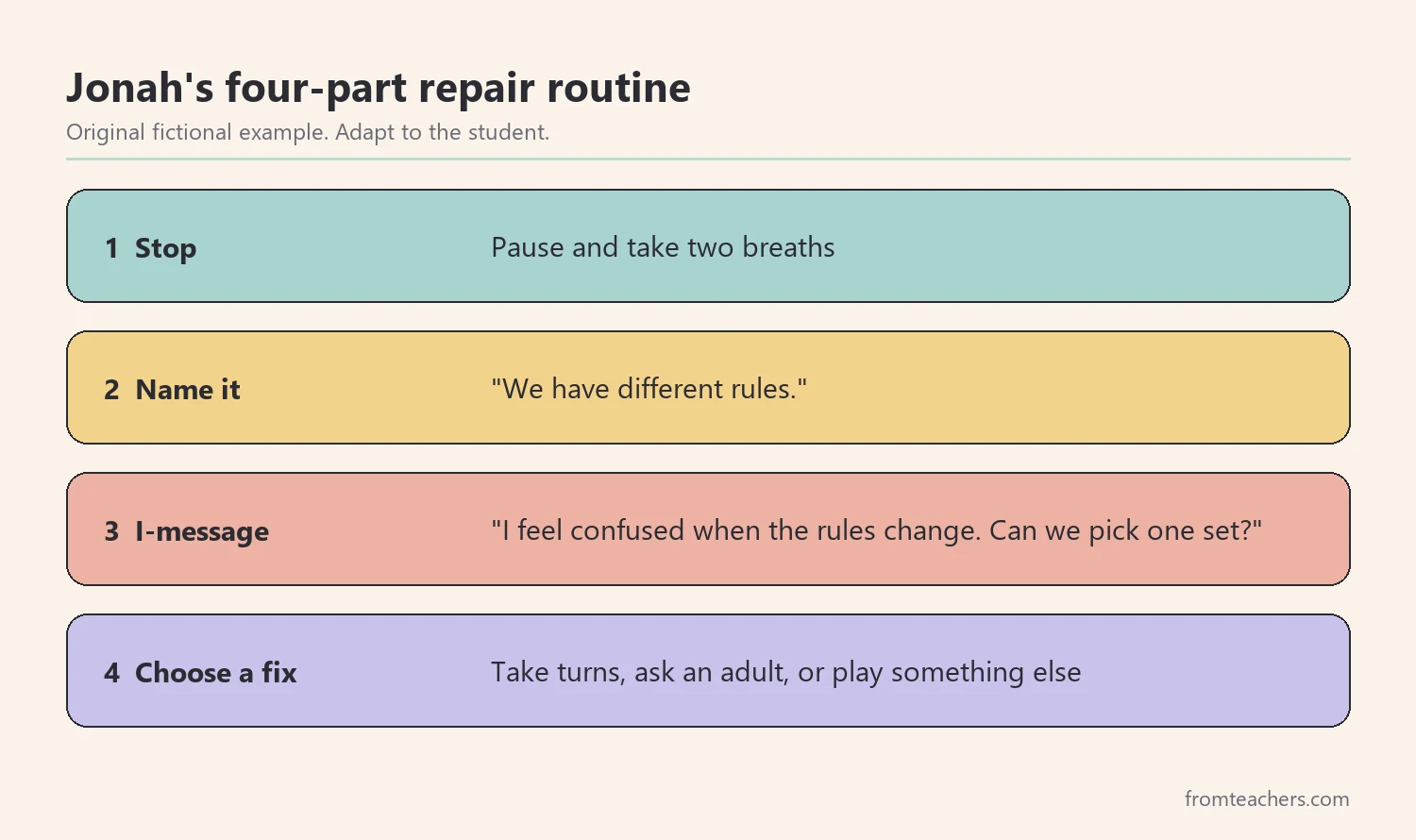
Here is how Jonah’s routine looked for the card game conflict. He stops and takes two breaths. Next, he names the problem: “We have different rules.” Then he uses an I-message: “I feel confused when the rules change. Can we pick one set?” Finally, he chooses a fix from a short list: take turns choosing rules, ask an adult, or play something else.
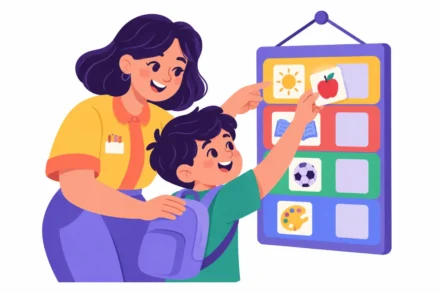
Give the student a visual autism conflict resolution card with the routine on it. Jonah kept a small card in his pencil case, and he could look at it during a disagreement without anyone else noticing.
If you want a structured sequence rather than building one from scratch, the conflict resolution and friendship skills guide for autistic students includes the CALM framework, I-message practice, and a social scripts reference card.
Also teach the routine when everyone is calm. Introducing it in the middle of an argument rarely works. Instead, model it during a quiet moment, then practice it many times before you expect the student to use it on his own.
4. Practice autism conflict resolution through role play
Autism conflict resolution skills learned in calm practice are much easier to reach in a real moment. Role play gives the student a safe place to rehearse, make mistakes, and try again. Keep sessions short, about ten minutes, two or three times a week.
Good autism conflict resolution role play starts with the right level, so organize scenarios by difficulty. Beginner scenarios involve clear, low-stakes problems, such as two students wanting the same marker. Intermediate scenarios add emotion or ambiguity, such as a friend who seems annoyed. Advanced scenarios involve harder situations, like unkind teasing or a friendship that is going wrong.
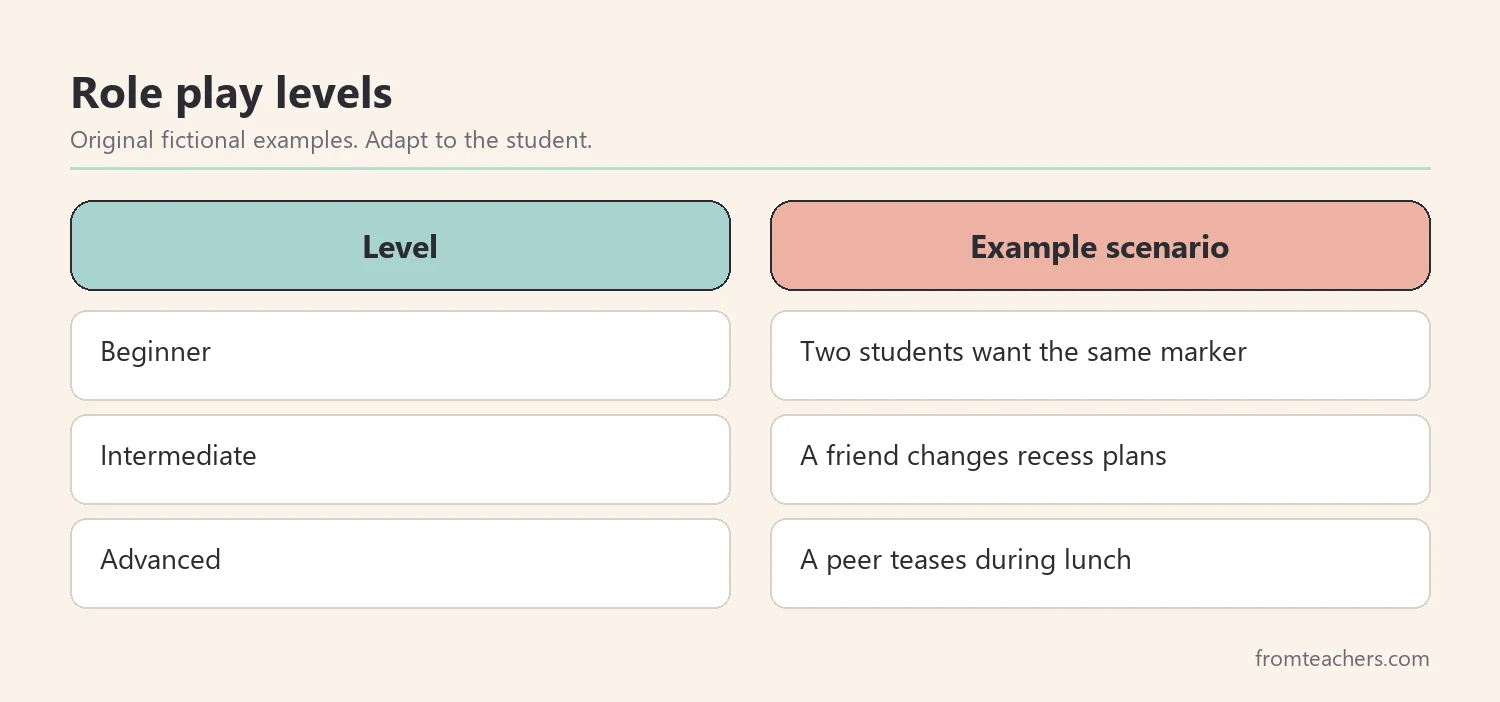
Start each session by reviewing the routine card. Then set the scene, assign roles, and let the student try. Afterward, ask two questions: “What went well?” and “What would you try next time?” Switching roles also helps, because playing the other person builds perspective.
For Jonah, Mr. Hale began with the marker scenario and a trusted peer partner. After a few sessions, Jonah could run the routine without the card. Next, they moved to an intermediate scenario about a friend changing plans at recess. Jonah needed the card again at first, which is normal when difficulty goes up.
Keep a simple record of autism conflict resolution practice. Note the scenario level, whether the student used each part of the routine, and how much prompting he needed. This record shows when to move up a level and when to stay put.
Moreover, avoid using role play as a consequence after a real conflict. When practice feels like punishment, students stop engaging. Keep it positive, predictable, and a little bit fun.
5. Support the skill across classroom and home
A routine used only in a therapy room will not reach the lunchroom. To help the skill travel, share the same language with everyone who spends time with the student: classroom staff, lunch and recess supervisors, peers, and family.
In the classroom, build a friendship-supportive culture. Teach the whole class the same repair routine, so it is normal for everyone, not only one student. Pair students thoughtfully for group work, and give peers simple guidance, such as “If someone walks away, give them a minute, then check in.”
With families, send home the routine card and one example each week. Ask what the student is practicing at home with siblings or cousins. A short family guide or note keeps everyone using the same words.
Then track autism conflict resolution progress over time. Mr. Hale counted Jonah’s conflicts each week and how many he repaired using the routine, with or without one reminder.
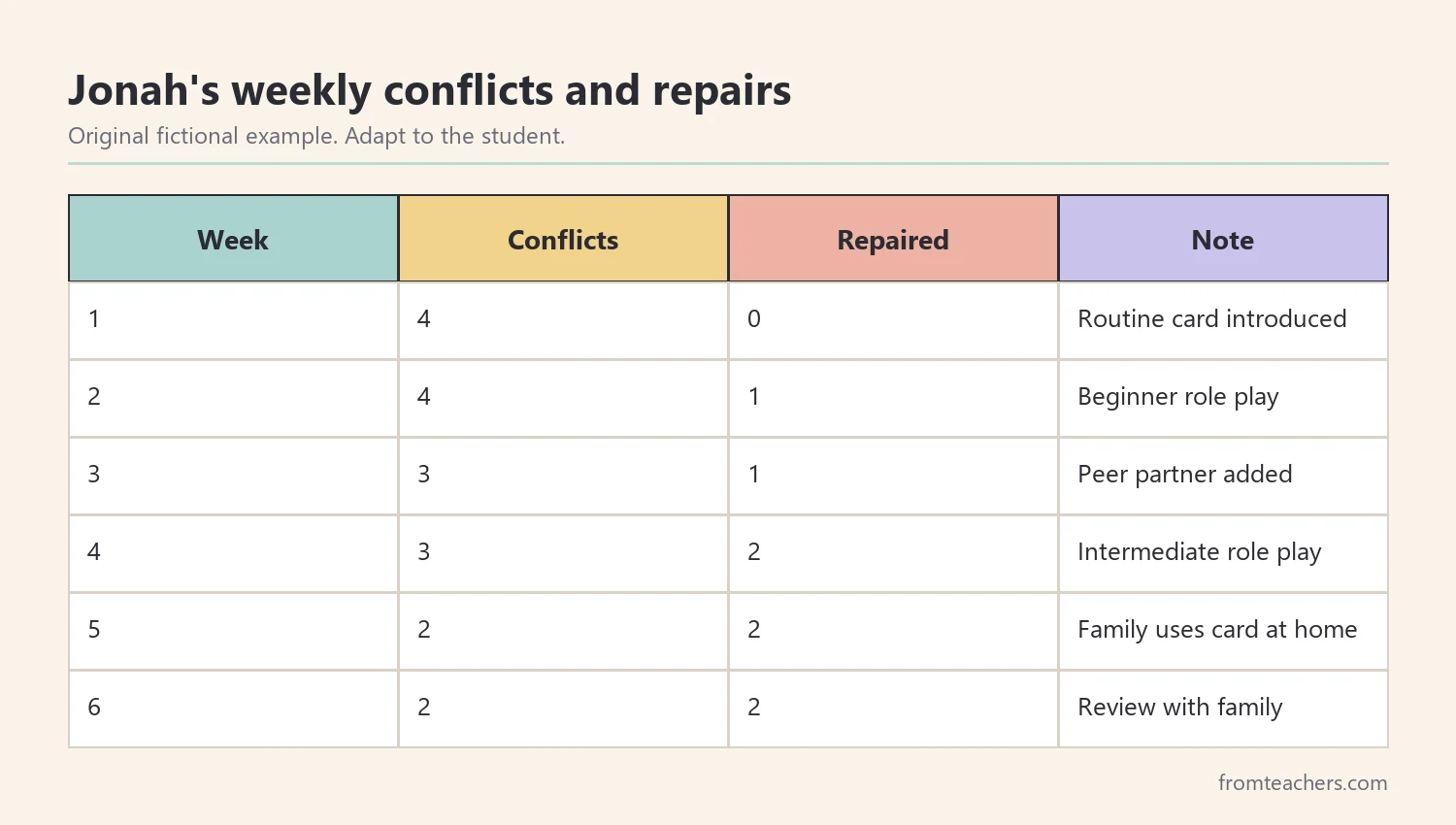
Over six weeks, Jonah had 4, 4, 3, 3, 2, and 2 conflicts, which adds up to 18. His repairs rose from 0 in week 1 to 2 in week 6, so by the end every conflict that week was repaired. That is real growth, even though conflicts still happen.
Review the data with the family every few weeks. Decide together whether to move to harder scenarios, adjust the script, or add a new friendship skill. Above all, remember that conflict is a normal part of friendship. The goal of autism conflict resolution is not zero conflict, but the confidence to repair.
Finally, give it time. Most students need weeks of steady practice before a new routine shows up on the playground. Celebrate each repair, and treat setbacks as information. When a repair fails, ask what part of the routine was hard, then practice that part again in a calm moment. In this way, autism conflict resolution becomes a skill the student owns, not a rule an adult enforces.
It also helps to plan for transitions. When a student changes classes, teachers, or schools, pass on the routine card, the scripts that worked, and the progress notes. That way, the next adult can continue the same autism conflict resolution language instead of starting over with new words.
Common mistakes and how to avoid them
- Treating the autistic student as the only one who must change. Fix: teach peers about different communication styles too.
- Teaching repair before friendship basics. Fix: build noticing, approaching, and conversation skills first.
- Using a long or changing routine. Fix: keep four parts or fewer and use the same words every time.
- Introducing the routine during a conflict. Fix: teach and practice when everyone is calm.
- Keeping autism conflict resolution practice in one room. Fix: share the routine with recess staff, peers, and family.
Questions teachers and parents ask about autism conflict resolution
At what age can students start learning these skills?
Students of almost any age can learn simple versions. Younger children may use a picture card with two steps, while older students can learn I-messages and choose from several fixes. Match the routine to the student’s language and needs.
What if the student shuts down instead of arguing?
Shutting down is a common response. In that case, the first part of the routine might be “ask for a break” with a card or gesture. Repair can happen later, once the student feels calm.
Should we use social scripts word for word?
Scripts are a helpful starting point. Over time, encourage the student to put them in their own words, so they sound natural and fit more situations.
How do I involve peers without singling out one student?
Teach the repair routine to the whole class as a community skill. When everyone uses the same words, nobody stands out, and peers know how to respond.
How will I know the teaching is working?
Track a simple measure, such as conflicts each week and how many were repaired. Look for a rising share of repairs over several weeks rather than perfect days.
Related reading: Autism Social Skills Development: Practical Strategies for Growth, Meltdowns vs Tantrums: A Guide to Understanding and Responding, and Autism Spectrum Disorder: A Guide to Early Signs, Support, and Effective Strategies.
A companion resource for autism conflict resolution:
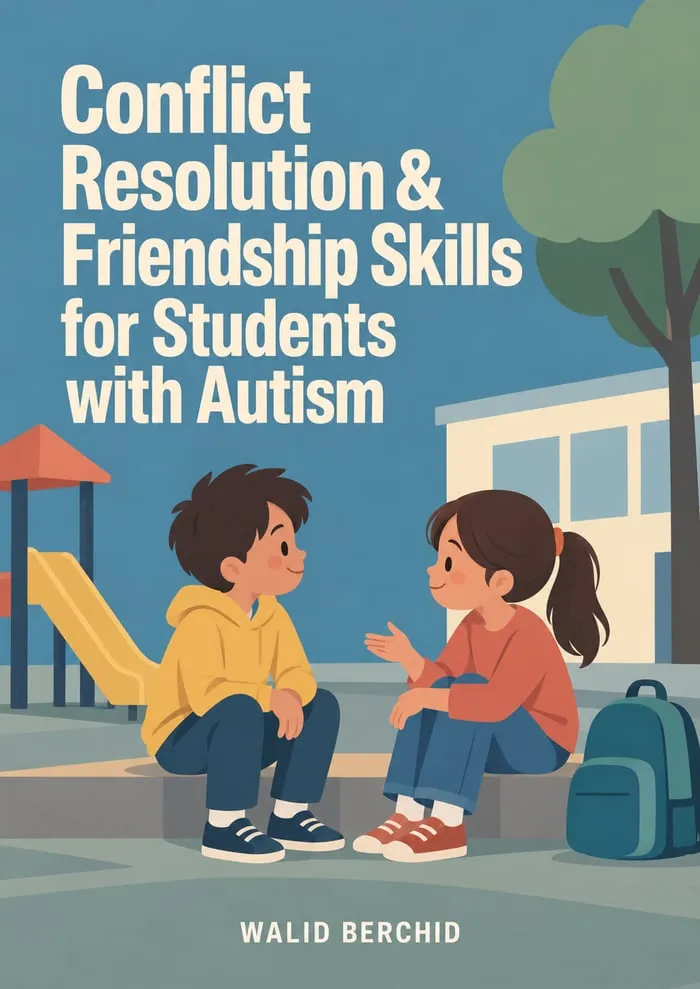
Conflict Resolution and Friendship Skills for Students with Autism: a practical guide for educators, support staff, and parents covering social challenges and the double empathy problem, friendship building blocks, conversation skills, the CALM framework with I-messages, over 35 role play scenarios at three levels, and appendix tools including a social scripts reference card, worksheet, progress tracker, and family guide.
Sources and scope
- IRIS Center (Vanderbilt University): free modules on autism and evidence-based practices for teachers.
- AFIRM (Autism Focused Intervention Resources and Modules): free learning modules on evidence-based practices for autistic learners.
- CDC: Autism Spectrum Disorder: general information about autism for families and professionals.
- American Speech-Language-Hearing Association (ASHA): information on social communication and working with speech-language pathologists.
Scope: this guide covers classroom and home teaching of friendship and conflict repair skills. It does not replace individualized advice from the student’s team, a speech-language pathologist, or a behavior specialist.
Key takeaways
- Misunderstandings usually run both ways, so teach peers as well as the autistic student.
- Build friendship basics before you teach repair.
- Use one short routine with an I-message and a choice of fixes.
- Practice through role play, moving from simple to harder scenarios.
- Share the same words at school and home, and track repairs over time.







Leave a Comment