

School transition planning is what turns a stressful move into a manageable one. Picture a fifth grader walking into a new building on the first day: the bell is louder, the hallways are longer, and nobody yet knows that she needs a quiet start to the morning. Without a plan, the supports that worked last year can quietly disappear.
This guide walks you through a practical, step-by-step process for moving a student with disabilities to a new school. By the end, you will be able to set a timeline, share the right information, prepare the student, record who does what, and check that agreed actions actually happen. Examples are fictional. Adapt to the student’s goals and agreed supports. This is guidance, not a diagnosis.
At a glance
- Start school transition planning months before the move, not in the last week.
- Share a short, useful student profile instead of a thick file nobody reads.
- Prepare the student with visits, photos, and practice, spread over time.
- Record every decision with a named owner, a due date, and a status.
- Check follow-through weekly until a six-week review confirms the plan works.
1. Start School Transition Planning Early and Name the Team
The most common reason transitions fail is time. When planning begins in the last month, there is no room to visit, to ask questions, or to fix gaps. For that reason, start school transition planning in the spring for a fall move, or as soon as you learn about a mid-year change.
First, name the team from both settings. You need someone from the sending school who knows the student well, and someone from the receiving school who will own the plan after the move. In addition, include the family and, whenever possible, the student.
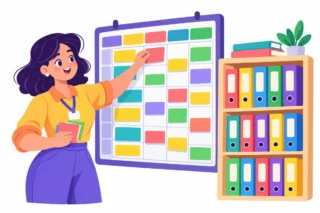
Next, agree on one coordinator. This person does not do every task. Instead, they keep the list, send reminders, and make sure nothing falls between the two schools. A shared timeline also helps everyone see the order of events.
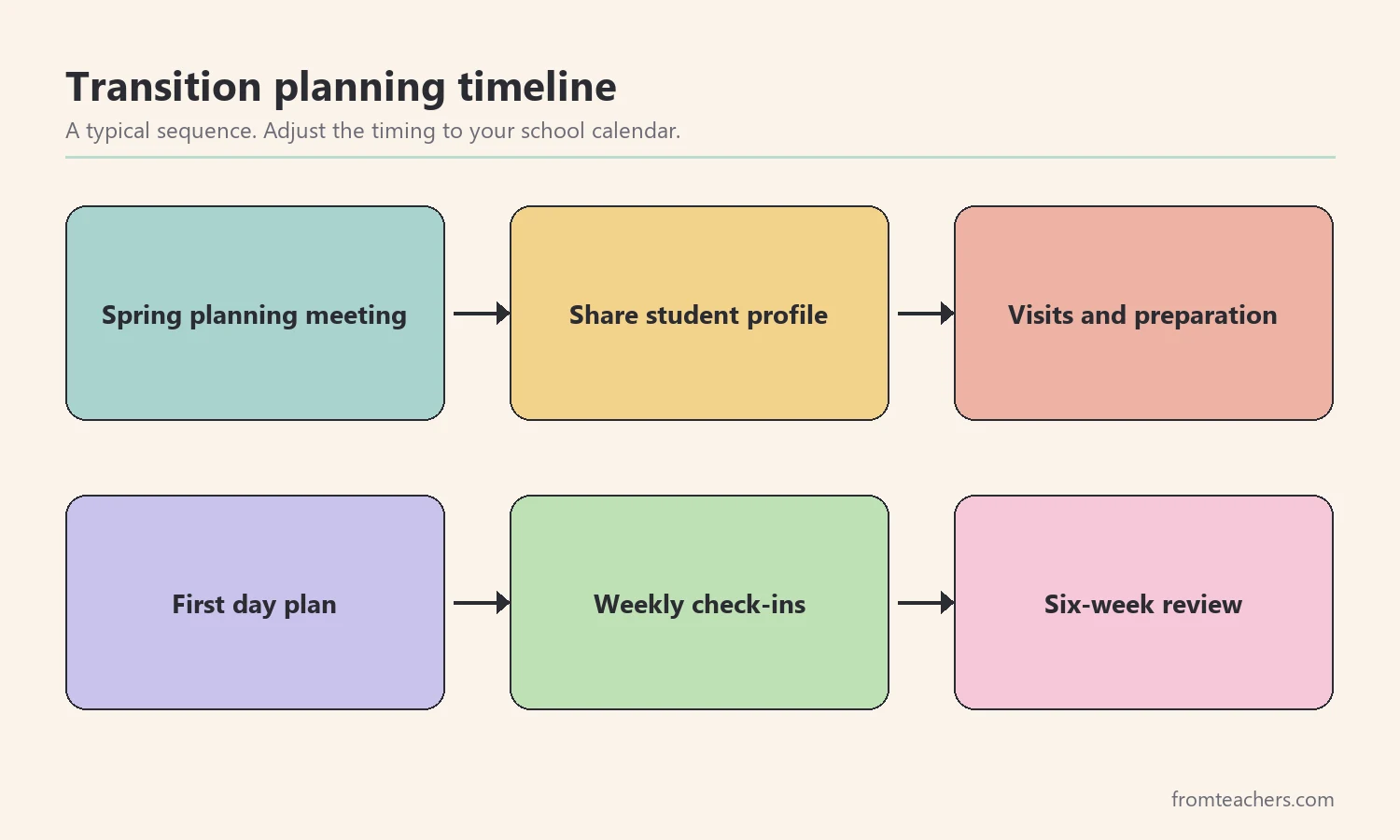
For example, consider Maya, a fictional fifth grader with a learning disability and anxiety around change. She is moving from a small elementary school to a larger middle school in the fall. Her team looks like this:
| Role | Setting | Main job |
|---|---|---|
| Grade 5 teacher | Sending school | Shares what works day to day |
| Case manager | Receiving school | Owns the plan after the move |
| Parent | Home | Shares history and Maya’s views |
| Counselor | Receiving school | Coordinates visits and check-ins |
As a result, every person knows their part from the first meeting. Finally, set the date for the first planning meeting and send the agenda ahead of time, so the family can prepare their questions.
2. Share Key Information the New Team Will Actually Use
Thick files often travel between schools and sit unread. Therefore, good school transition planning focuses on a short student profile that a busy teacher can read in five minutes. The full records still move through official channels, but the profile is what staff use on day one.
A strong profile answers a few simple questions. What helps this student learn? What makes the day harder? Which supports are in the current plan, and which are informal habits that also matter? In addition, what does the student want new teachers to know?
- Strengths and interests: what the student does well and enjoys.
- Agreed supports: the accommodations and services already in place.
- Informal strategies: small habits that work, such as a two-minute warning before changes.
- Triggers and early signs: what stress looks like and how adults can respond.
- Student voice: a few sentences in the student’s own words.
For example, Maya’s profile fits on one page. It notes that she reads one grade level below her peers, that she works best with a visual schedule, and that she needs a quiet seat near the door. It also includes her own words: “I like art and I get nervous when plans change without warning.”
However, sharing is only half of the job. The receiving team should confirm that they read the profile and ask questions. Because reports sometimes differ between settings, note any gaps openly. If the sending teacher sees calm mornings but the parent reports anxiety at home, record both views instead of picking one.
Also, check privacy rules before sending anything. Share through approved school systems, and include only what staff need to support the student well.
3. Prepare the Student for the New School
Students cope better with change when the new place feels familiar before the first day. As a result, student preparation is a core part of school transition planning, not an extra. Spread it over several weeks so each step has time to settle.
In school transition planning, start with low-pressure exposure. Photos of the building, the classroom, and key adults can be looked at many times at home. Then, arrange a visit when the school is quiet, such as after dismissal. Later, a second visit during a normal day can follow if the student is ready.
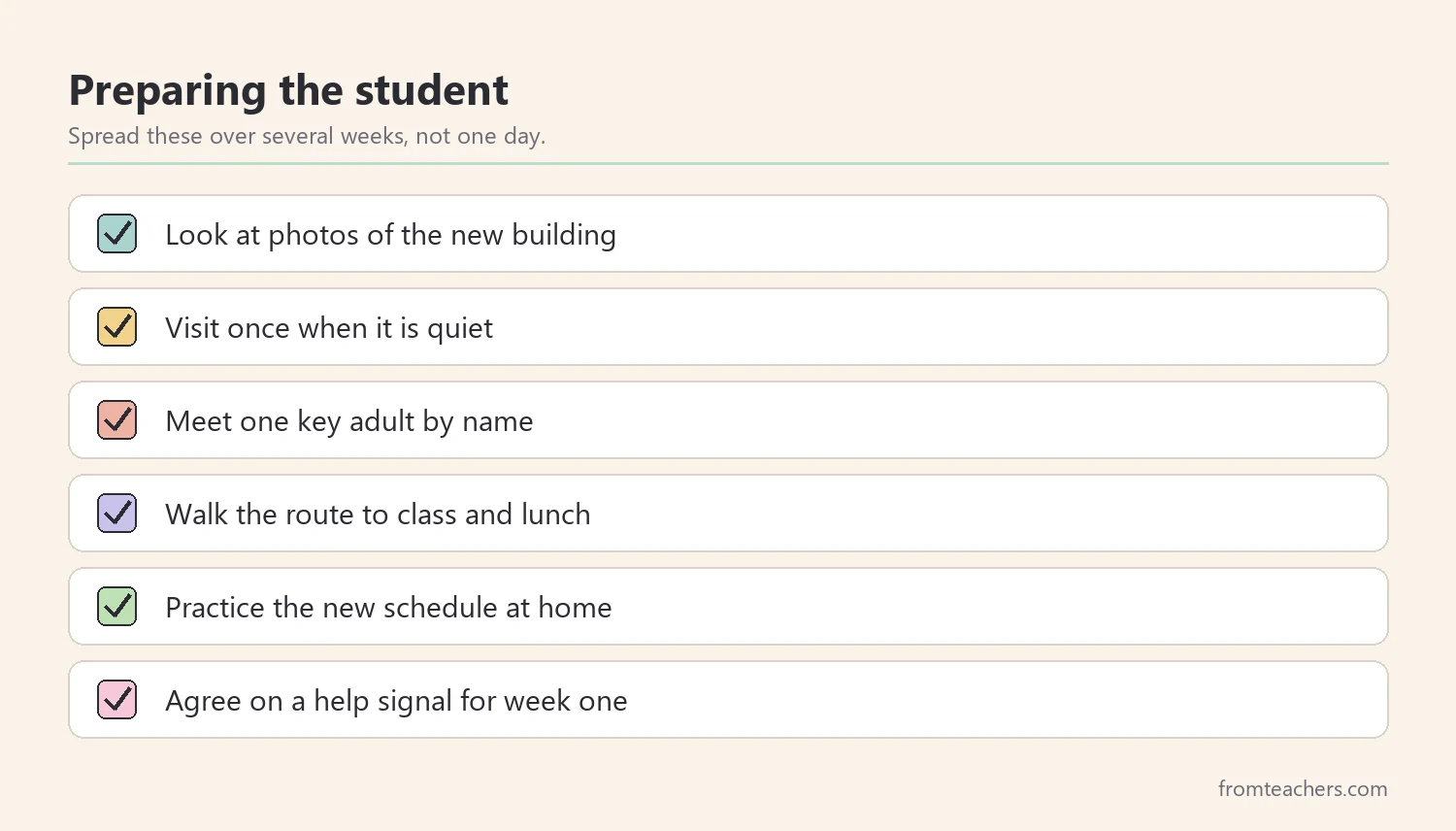
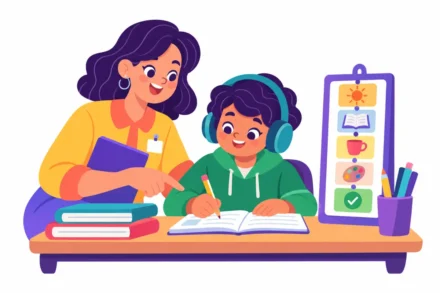
Next, focus on routines the student will meet in the first week. Walking the route from the entrance to homeroom, the lunchroom, and the restroom reduces uncertainty. In addition, practicing a new schedule at home helps, especially when the school day or bus time changes.
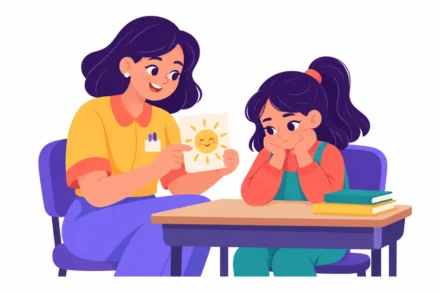
For example, Maya’s counselor sends a short photo book in June. Maya looks at it with her mother three times over the summer. In August, she visits the empty building once and meets her case manager by name. Together, they agree on a simple help signal: Maya will place a card on the corner of her desk when she needs a check-in.
Moreover, give the student some control. Let them choose where to keep their materials, which photo goes on the front of the book, or which question to ask at the visit. Small choices build confidence. Finally, write down what the student said they were worried about, so the receiving team can address those exact points.
4. Record Decisions and Transfer Responsibilities in School Transition Planning
Meetings produce many good ideas, but ideas are not decisions. One of the most useful habits in school transition planning is to separate what was agreed from what is still an open question. Otherwise, people leave the room with different memories of the same meeting.
First, keep a simple decision record during the meeting. Each line should state the decision, who agreed, and the date. Open questions go in a separate list with a person responsible for finding the answer.
Second, treat every handoff as a transfer that must be accepted. Sending an email is not the same as handing over a task. A responsibility only moves when the new person confirms they own it and knows what to do.
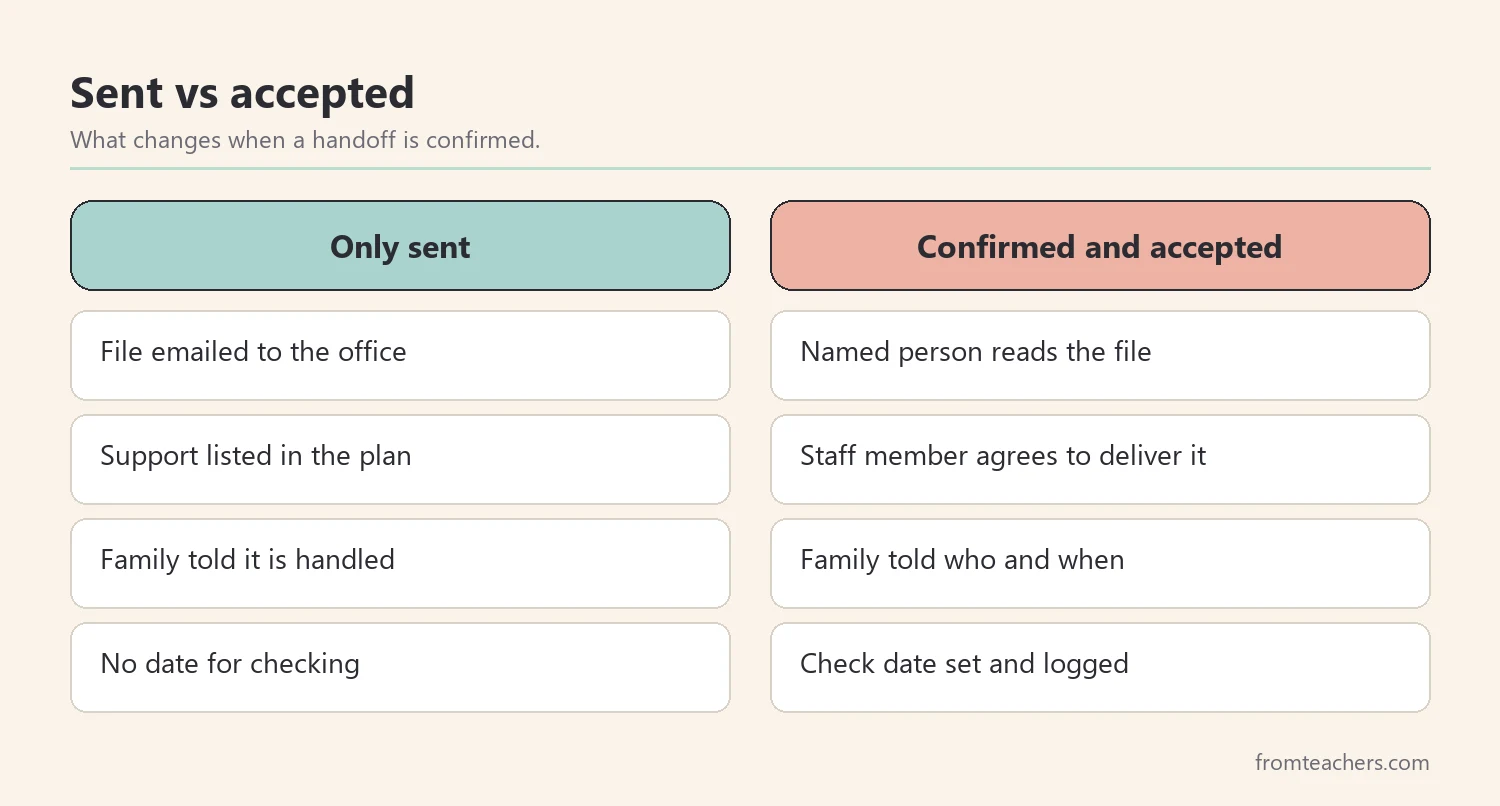
For example, Maya’s team agrees on four actions for the move. The case manager will put a visual schedule on her desk, the homeroom teacher will seat her near the door, the counselor will hold a weekly check-in, and the reading teacher will place her in a small reading group. Each person confirms in writing, and the coordinator adds the actions to a tracker.
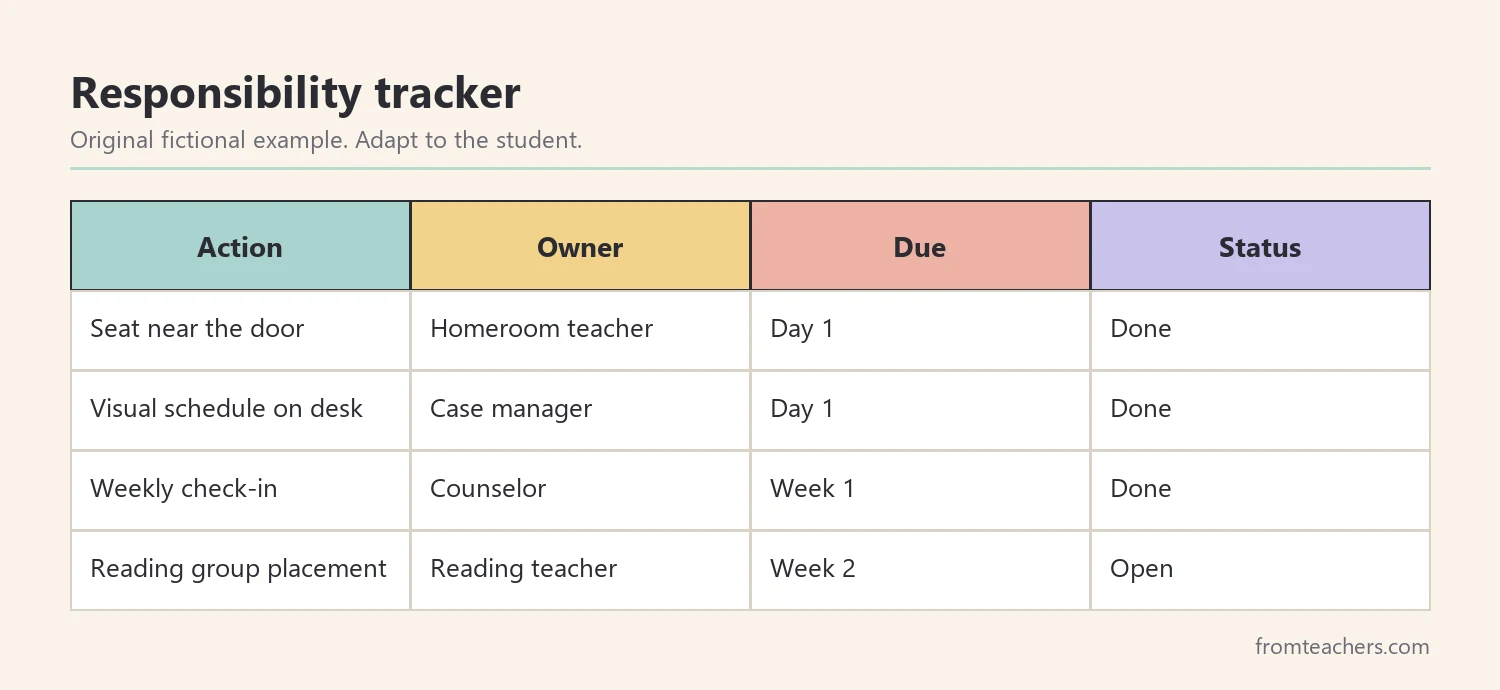
In that tracker, three actions are done and one is open, which makes four in total. Because the open item has an owner and a due date, nobody has to guess where it stands. If you would rather not design these forms yourself, the school transitions and follow through forms pack includes a decision and open question record and a responsibility transfer tracker built for exactly this step.
Also, share the tracker with the family. Parents often hear “it is handled” without knowing who is handling it. A shared list with names and dates builds trust and gives the family a clear person to contact.
5. Track Follow-Through in the First Weeks
The first day is not the finish line. In fact, many problems appear in weeks two and three, once the novelty fades and routines get busier. Therefore, school transition planning should include a short follow-through period with regular checks.
Set a weekly school transition planning check-in for the first six weeks. Keep it brief: ten minutes with the coordinator, plus a quick question to the student and a short message to the family. Each week, ask three things. Was each agreed support delivered? Did it help? What needs to change?
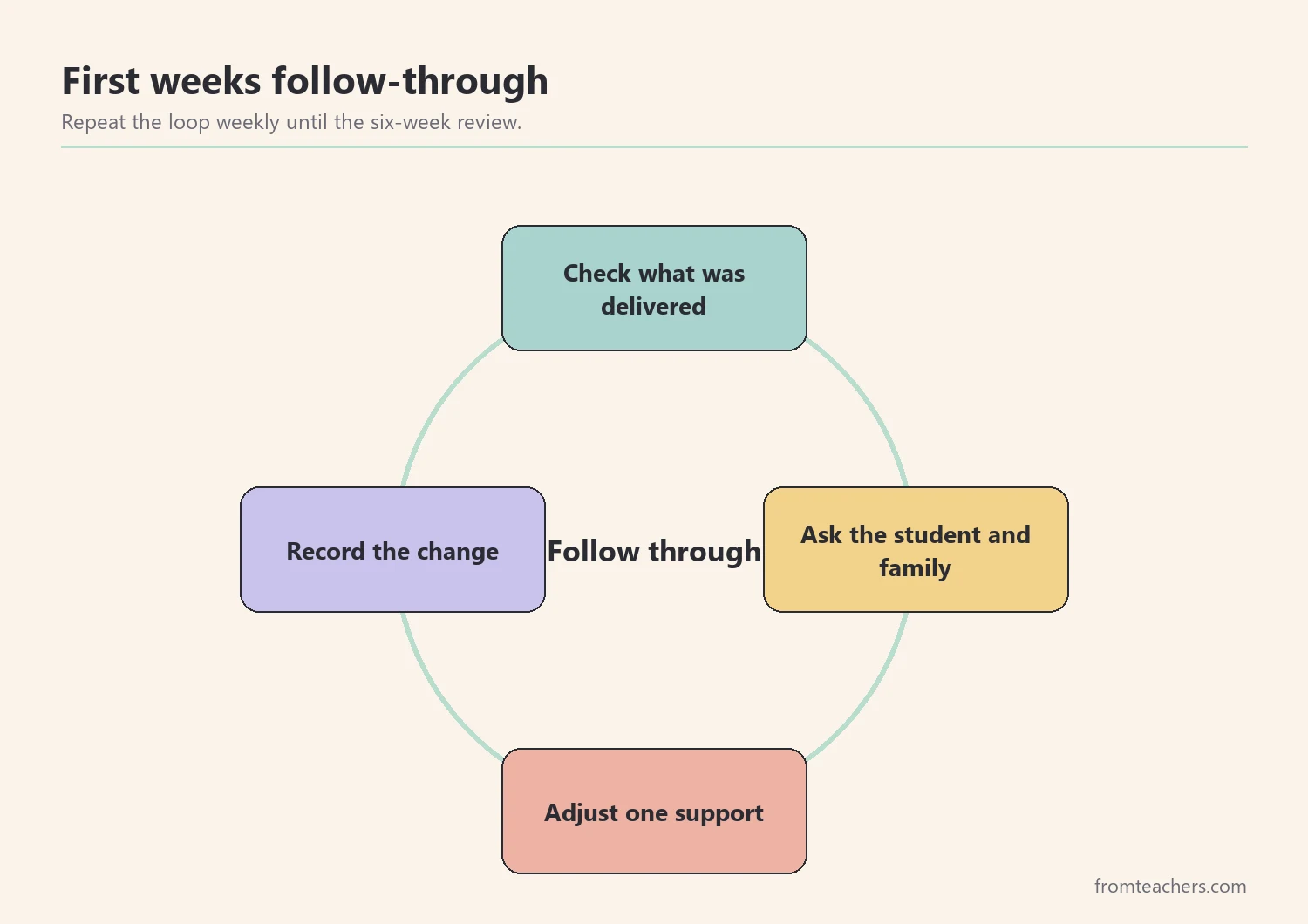
For example, in week one, Maya’s case manager confirms that the visual schedule is on her desk and that she uses it. In week two, the counselor learns that the reading group has not started yet because of a timetable clash. The coordinator logs it, the reading teacher sets a new start date, and the group begins in week three.
Moreover, write down any change to a support. If the help card becomes a quiet hand signal, record the new version and the date. Otherwise, a substitute teacher or new staff member may follow an outdated plan.
- Check delivery, not just intention.
- Ask the student how it is going in simple words.
- Change one thing at a time so you can see what helps.
- Log every change with a date and an owner.
As a result, the team can see patterns early. A single difficult day is normal. However, three difficult mornings in a row is a signal to revisit the plan.
6. Review the Plan and Close the Loop
At around six weeks, hold a short review meeting. The goal is to confirm what is working, adjust what is not, and decide whether the transition period can end. This review is the final step of school transition planning and the start of normal support.
First, look at the school transition planning tracker together. For each action, ask whether it was delivered and whether it was useful. Something can be delivered on time and still not help the student, so both questions matter.
| Action | Delivered? | Useful? | Next step |
|---|---|---|---|
| Seat near the door | Yes | Yes | Keep |
| Visual schedule | Yes | Yes | Keep |
| Weekly check-in | Yes | Partly | Move to every two weeks |
| Reading group | From week 3 | Too early to say | Review in four weeks |
In Maya’s fictional review, all four actions are now in place. Two are clearly working, one is reduced because she needs it less, and one needs more time. Next, the team agrees on dates for the next review and closes the transition tracker.
Finally, ask the student and family for feedback on the move itself. What helped most? What would they change? Their answers will improve the next transition, whether it is for the same student or another one.
Common mistakes and how to avoid them
- Starting too late: begin school transition planning months ahead so there is time to visit and fix gaps.
- Sending files without a summary: add a one-page profile that staff can read quickly.
- Assuming sent means accepted: ask each owner to confirm a task before it leaves your list.
- Leaving the student out: include the student’s voice and give them small choices.
- Stopping on day one: keep weekly checks for the first six weeks.
- Changing supports silently: record every change with a date so everyone follows the current version.
Questions teachers and parents ask about school transition planning
When should school transition planning start?
For a planned move, such as elementary to middle school, start in the spring before the move. For a mid-year change, begin as soon as the move is known. Even two weeks of focused planning is better than none.
Who should lead school transition planning?
Choose one coordinator, often the case manager or counselor at the receiving school. The coordinator keeps the list and sends reminders. However, every team member still owns their own tasks.
Should the student attend planning meetings?
Whenever it is appropriate, yes. Students can share what helps them in their own words. If a full meeting feels too much, gather their views beforehand and bring them to the table.
What if the two schools see the student differently?
Record both views without choosing one. Differences often come from different settings, demands, or relationships. Then, plan to gather new information in the first weeks to understand the gap.
How do we know the transition worked?
Look at whether agreed supports were delivered and whether they helped. Also listen to the student and family. A six-week review gives you a clear point to decide.
Related reading: How Parents and Teachers Can Team Up for Special Education Success, How Teachers Communicate With Parents in Special Education, and Navigating the Path to Adulthood.
A companion resource for school transition planning
Ready-to-use resource:
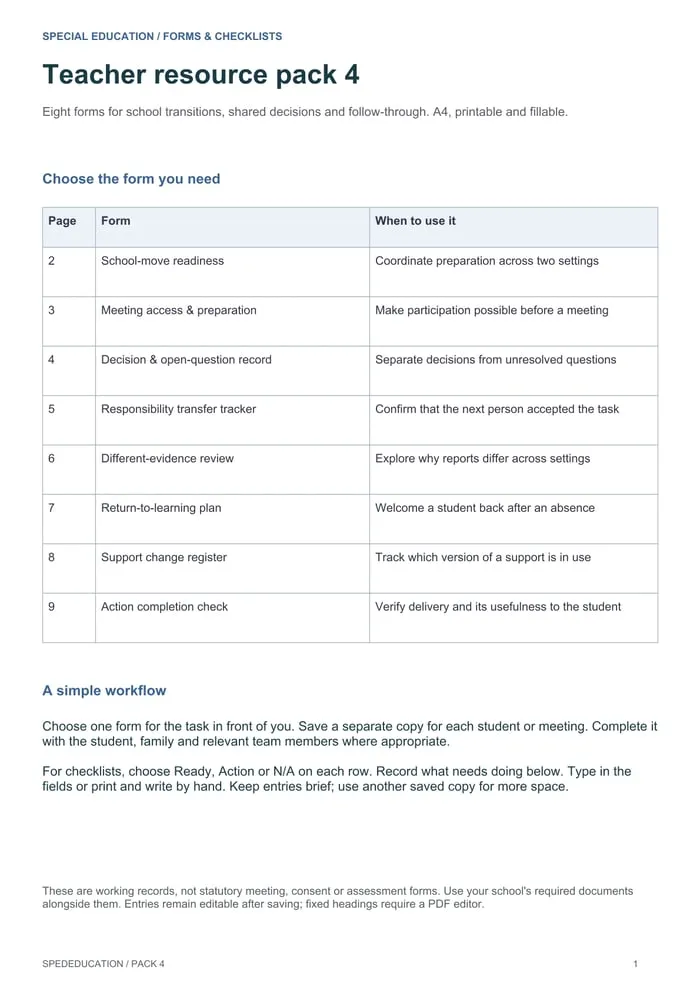
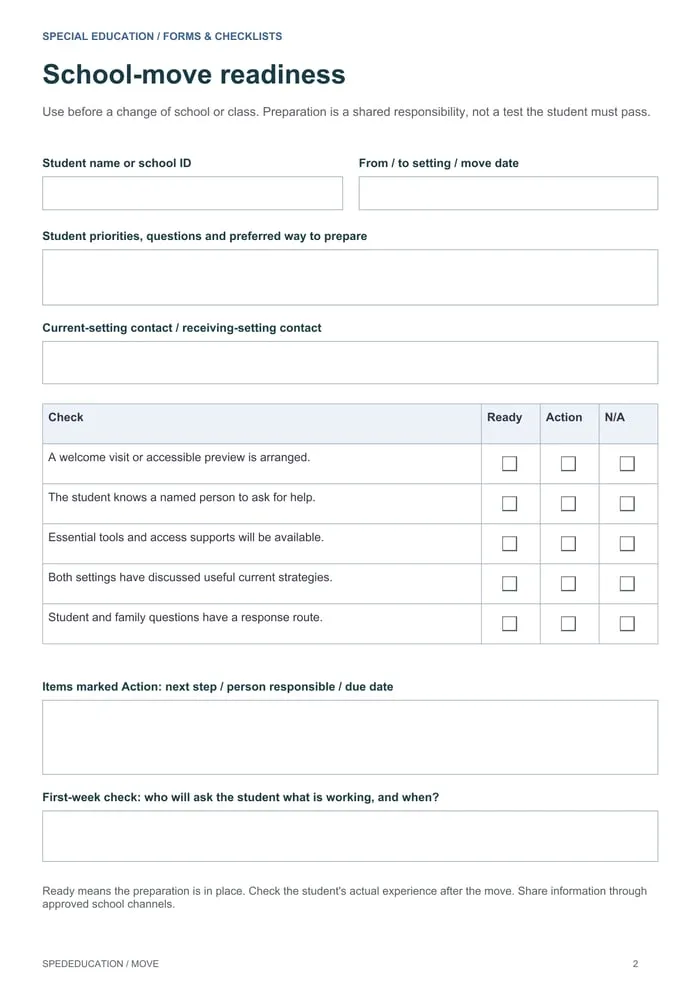
Special Education School Transitions and Follow Through Forms Pack 4: eight fillable forms for coordinating school moves, meeting participation, decision tracking, and confirming that agreed actions are delivered.
Sources and scope
- Individuals with Disabilities Education Act (IDEA): the U.S. Department of Education site for the federal special education law and related guidance.
- IRIS Center: free training modules for educators on special education practice, including collaboration and planning.
- Understood.org: family-friendly articles on learning and thinking differences and school changes.
- Center for Parent Information and Resources: a hub for parent centers that help families take part in school decisions.
Scope: this guide covers practical planning steps for moving a student with disabilities between schools. It does not give legal advice or replace your district’s procedures, and it does not cover post-school transition planning for adulthood.
Key takeaways
- Start school transition planning early and name one coordinator across both schools.
- Share a short, useful profile that includes the student’s voice.
- Prepare the student gradually with photos, visits, and practice.
- Track every decision with an owner, a due date, and a status.
- Check follow-through weekly and close the loop with a six-week review.





Leave a Comment