

Myths about learning disabilities can follow a child from the first school meeting to the dinner table. Picture Leo, a third grader who was just found eligible for special education with a specific learning disability in reading. On the drive home, his grandmother says, “He just needs to try harder,” and his older cousin says, “So he’s not smart?” Leo hears both.
This list is for parents and family members who have just heard the words “learning disability” and want to understand what they mean and what they do not mean. It covers ten common myths, what is closer to the truth, and what you can do at home and with the school team. By the end, you will be able to answer the hard questions with calm, accurate words.
Examples are fictional. Adapt to your child’s evaluation, goals and agreed supports. This is guidance, not a diagnosis.
At a glance
- A learning disability affects how the brain processes certain kinds of information, such as reading, writing or math.
- It is not a measure of intelligence, effort or parenting.
- The difference between “won’t” and “can’t” changes how adults respond.
- Accommodations give access, not an unfair advantage.
- Strengths matter as much as needs in planning support.
How this list is ordered
We did not rank these myths by how common they are, because we have no reliable data on that. Instead, the list follows the questions families tend to face in order: first about what a learning disability is, then about effort and intelligence, and finally about school support and the future. As a result, you can read it from top to bottom like a short conversation.
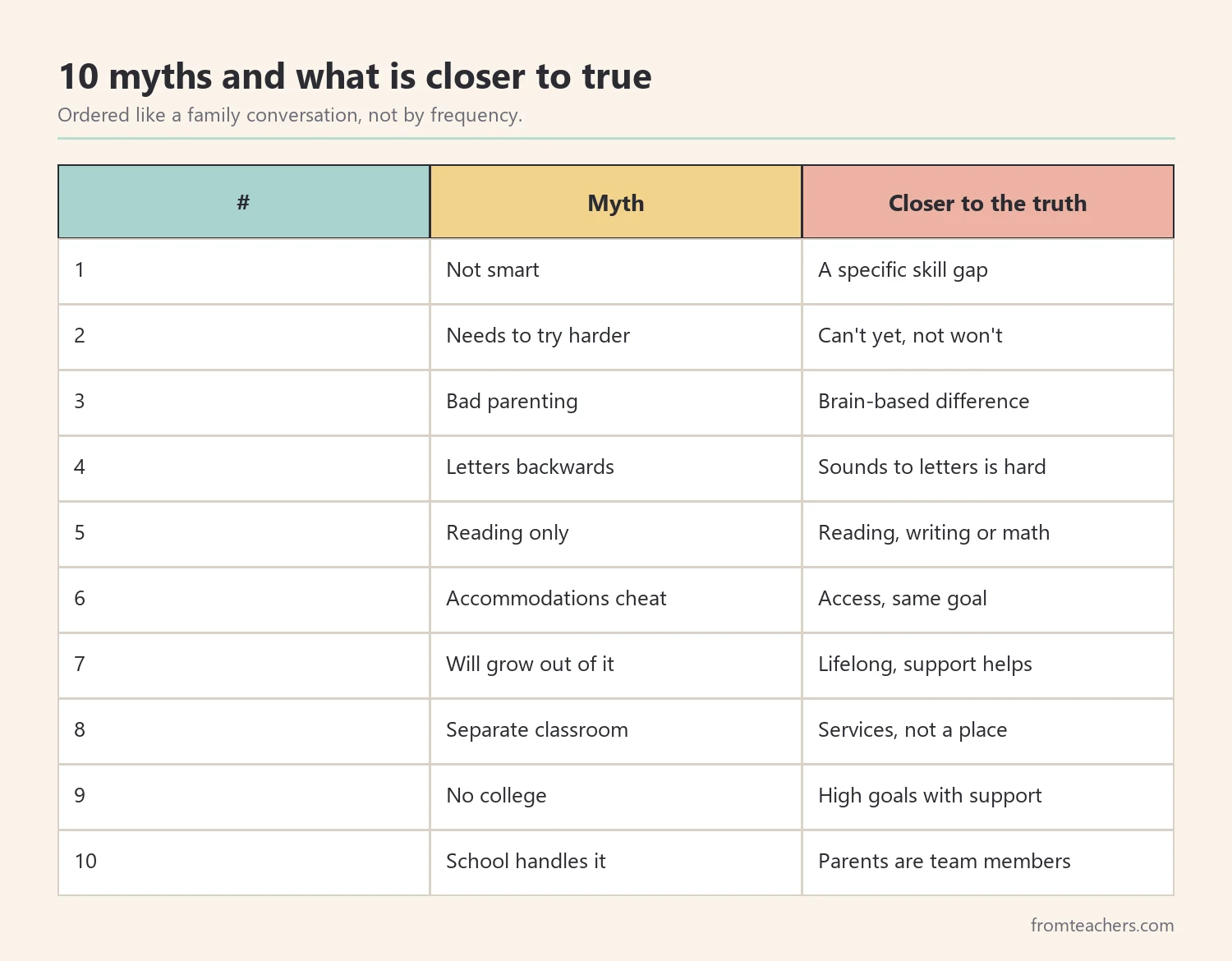
In United States schools, “specific learning disability” is one of the disability categories under the Individuals with Disabilities Education Act (IDEA). It can affect reading, written expression or math, and it often shows up differently in each child. Figure 1 lists all ten myths next to what is closer to the truth.
1. “A learning disability means my child is not smart”
This is the first of the myths about learning disabilities that many families hear, and it hurts the most. A learning disability is a difficulty with specific skills, such as decoding words or recalling math facts. It is not the same as an intellectual disability.
What is closer to the truth: many children with learning disabilities have average or above-average reasoning skills. The gap is between what they understand and what they can show in one specific area.
What to do: point out your child’s strengths often and specifically. For example, “You explained that story better than anyone at the table.”
Example: Leo struggles to read the words in a chapter book. However, when his mom reads it aloud, he predicts the ending and asks sharp questions about the characters.
2. “He just needs to try harder”
Next comes effort. Children with learning disabilities often work much harder than their classmates for the same result. Over time, they may look like they are not trying, because trying has not paid off.
What is closer to the truth: the issue is usually “can’t yet,” not “won’t.” More of the same practice rarely closes the gap. Different teaching does.
What to do: praise effort and strategy, not only results. Ask the school which strategies they use so you can repeat them at home.
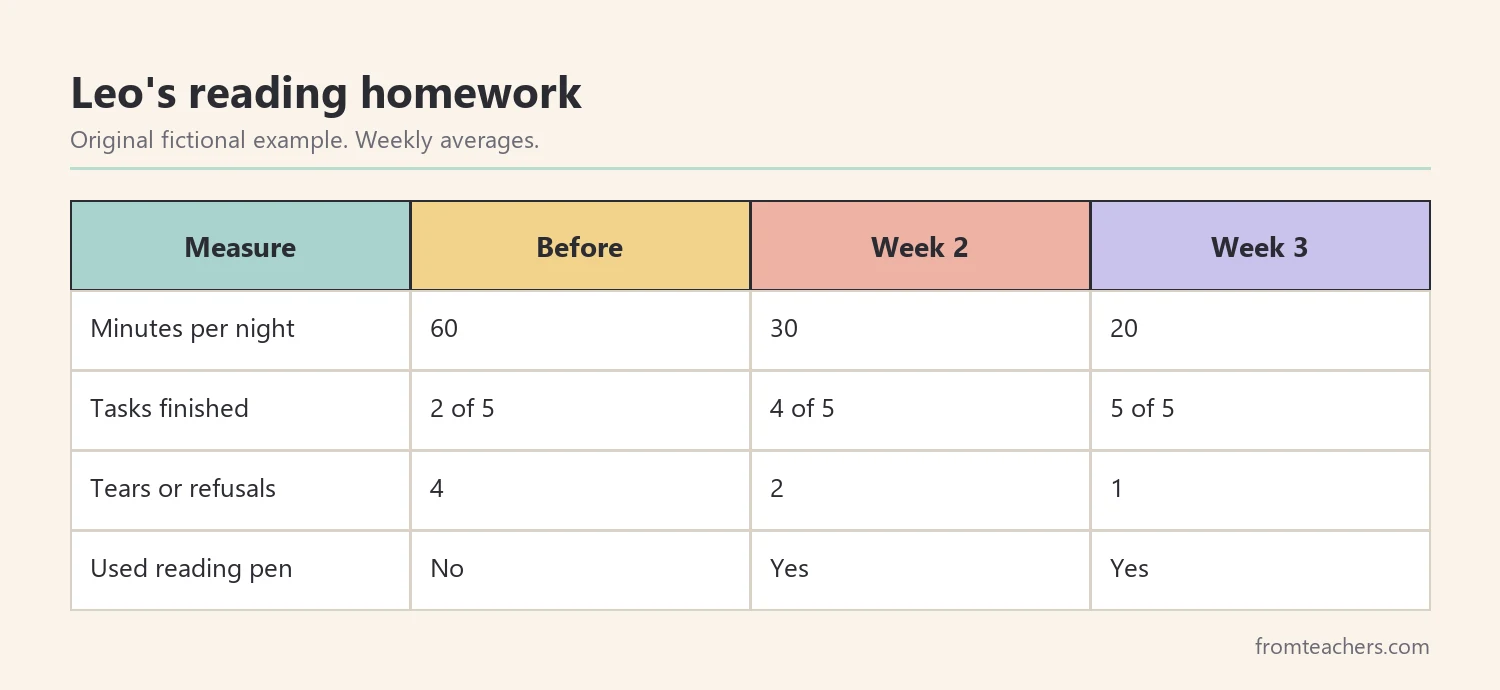
Example: Leo used to spend an hour on a reading log. Once his teacher shared a shorter routine with a reading pen and a bookmark guide, homework took twenty minutes.
3. “Learning disabilities are caused by bad parenting or too much screen time”
Many parents quietly blame themselves. Yet learning disabilities are understood to be brain-based differences in how information is processed. They often run in families.
What is closer to the truth: parenting does not cause a learning disability, although support at home can make a real difference in how a child copes.
What to do: let go of guilt and focus on what helps now. If a relative struggled with reading too, that story can help your child feel less alone.
Example: Leo’s dad shared that he also found reading hard in school. Leo asked him three questions about it that night.
4. “Dyslexia means seeing letters backwards”
Letter reversals are common in many young children who are learning to write. They are not the main feature of dyslexia.
What is closer to the truth: dyslexia mainly affects connecting sounds to letters, which makes decoding and spelling hard. Reading fluency and comprehension can suffer as a result.
What to do: ask the school which skills were weak in the evaluation, such as phonological awareness or decoding, and which program targets them.
Example: Leo rarely reversed letters. His evaluation showed that sounding out new words was the real barrier.
5. “Learning disabilities only affect reading”
Reading gets the most attention, but it is not the only area. Learning disabilities can also affect written expression, such as spelling and organizing ideas, and math, such as number sense and fact fluency.
What is closer to the truth: a child may have needs in one area or several, and the pattern matters for planning support.
What to do: read the evaluation summary closely and ask which areas are affected. Then match support to each area. For instance, the SLD Support Toolkit for reading, writing and math accommodations breaks support into separate sections, with an accommodations menu for reading and concept-first supports for math.
Example: Leo’s plan focuses on reading, but his teacher noticed he also avoids long writing tasks. The team added a writing check to the next review.
6. “Accommodations are cheating”
Some family members worry that extra time or audiobooks give a child an unfair edge. In fact, accommodations change how a child learns or shows what they know, not what they are expected to learn.
What is closer to the truth: an accommodation removes a barrier so the child can show real knowledge. For example, listening to a science text lets a child show science understanding, not only decoding skill.
What to do: explain the difference between accommodations and modifications. Accommodations keep the same goal. Modifications change the goal itself.
Example: With text-to-speech for science, Leo’s test scores now reflect what he knows about plants, not how fast he reads.
7. “She will grow out of it”
Waiting can feel like the gentle choice. Still, learning disabilities are generally considered lifelong. What changes is how well a child learns to work with them.
What is closer to the truth: early, targeted teaching and good strategies make a big difference. Waiting usually means the gap grows.
What to do: if you are worried, ask the school about an evaluation in writing. Under IDEA, schools have a duty to identify and evaluate children who may need special education.
8. “Special education means a separate classroom”
Many parents picture a room down the hall. Yet many students with learning disabilities spend most of their day in general education classrooms, with support inside or alongside the class.
What is closer to the truth: special education is a set of services, not a place. The team decides the setting based on the child’s needs.
What to do: ask where and when services happen, and how the general and special education teachers share information.
9. “Kids with learning disabilities cannot go to college”
This myth can quietly lower expectations. In reality, many people with learning disabilities finish college and build successful careers, often with accommodations and strong self-advocacy skills.
What is closer to the truth: goals should stay high, and support should help the child reach them.
What to do: start teaching your child to name what helps. Even a young child can say, “It helps me when you read the question out loud.”
10. “Once the plan is written, the school handles it”
Finally, an IEP is a starting point, not a finish line. Parents are members of the IEP team and can ask for a meeting when something is not working.
What is closer to the truth: plans work best when families and teachers share what they see and adjust together.
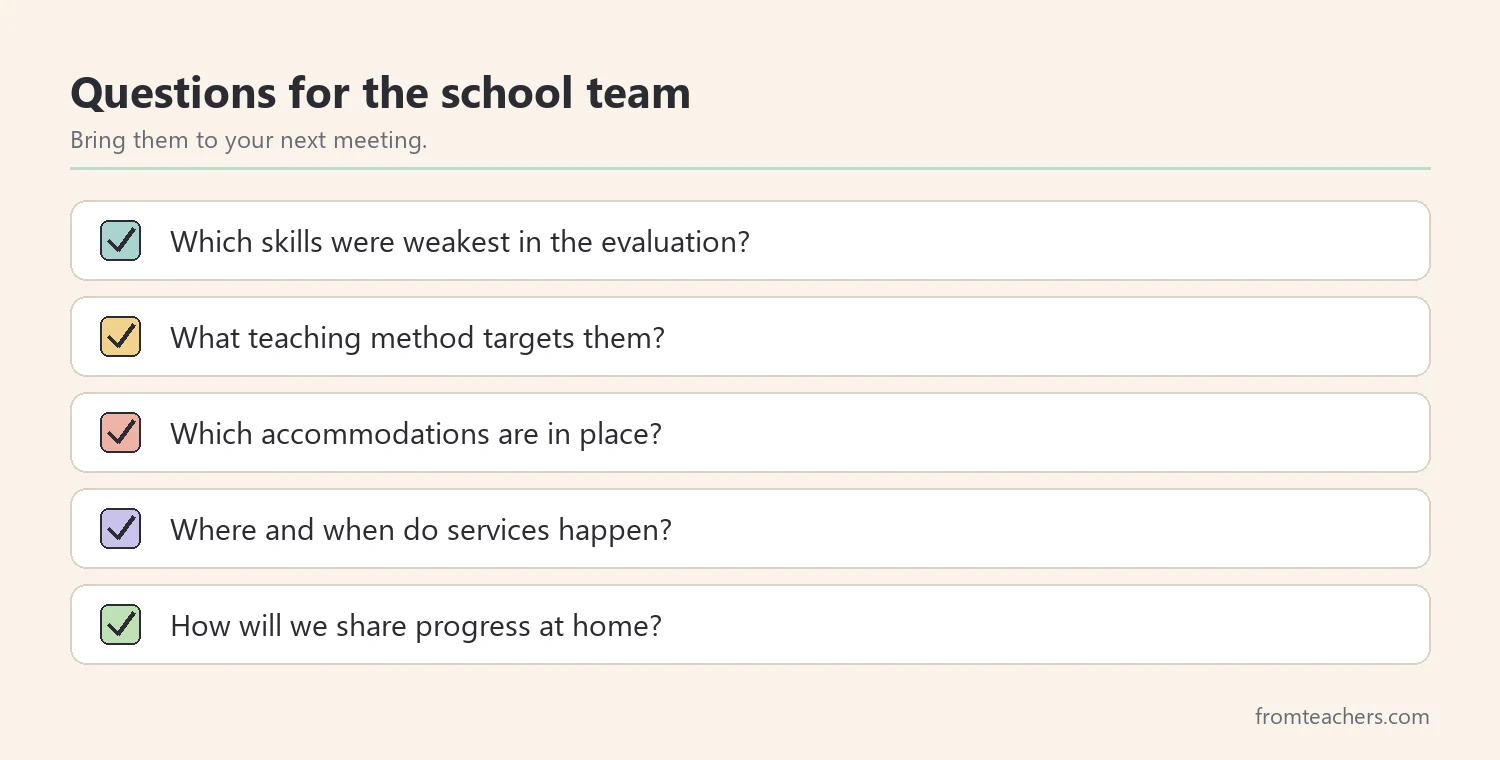
What to do: keep simple notes at home, such as homework time and frustration level, and bring them to meetings. Figure 4 lists questions to ask.
Example: Leo’s parents tracked homework for three weeks. The numbers in Figure 3 helped the team decide to keep the new routine.
Talking with your child about myths about learning disabilities
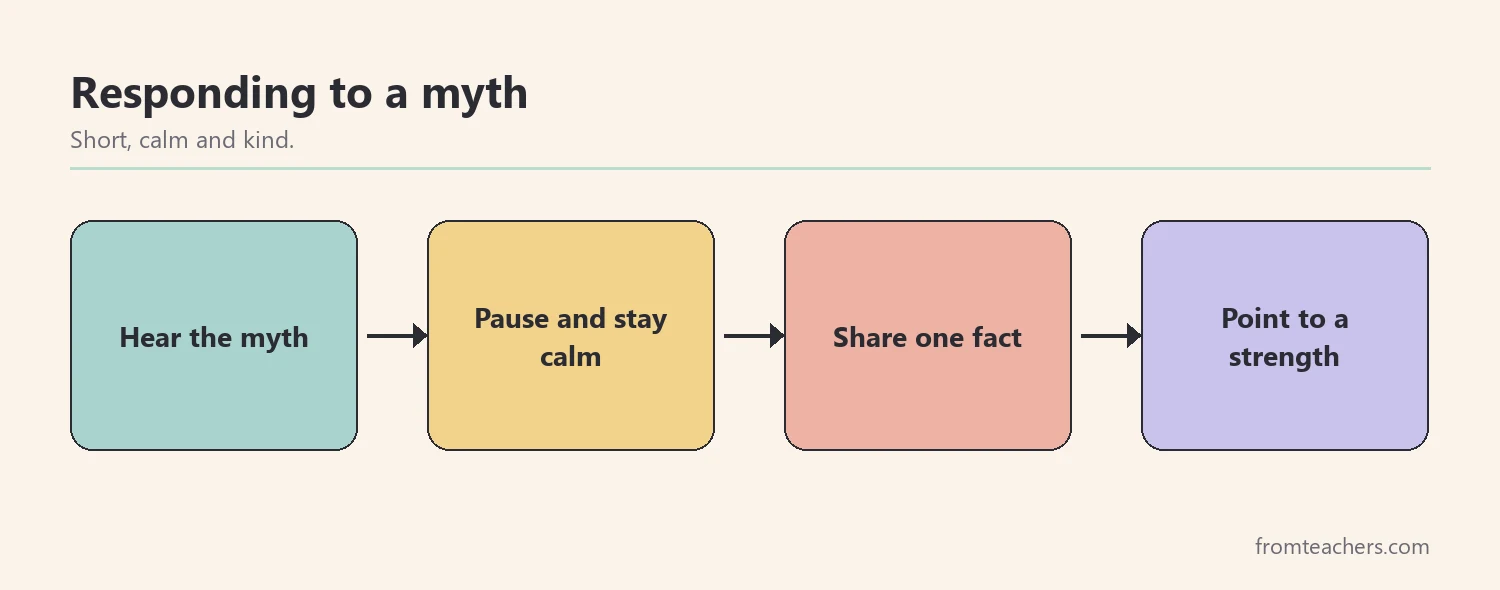
Children hear the myths too, sometimes from classmates and sometimes from their own worries. Therefore, a short, honest explanation helps. For example: “Your brain learns reading in a different way. That is why you get special teaching. You are smart, and you are learning.”
Also, keep the conversation going. Ask what your child has heard at school and correct myths gently. Books and stories about people who learn differently can open the topic without pressure.
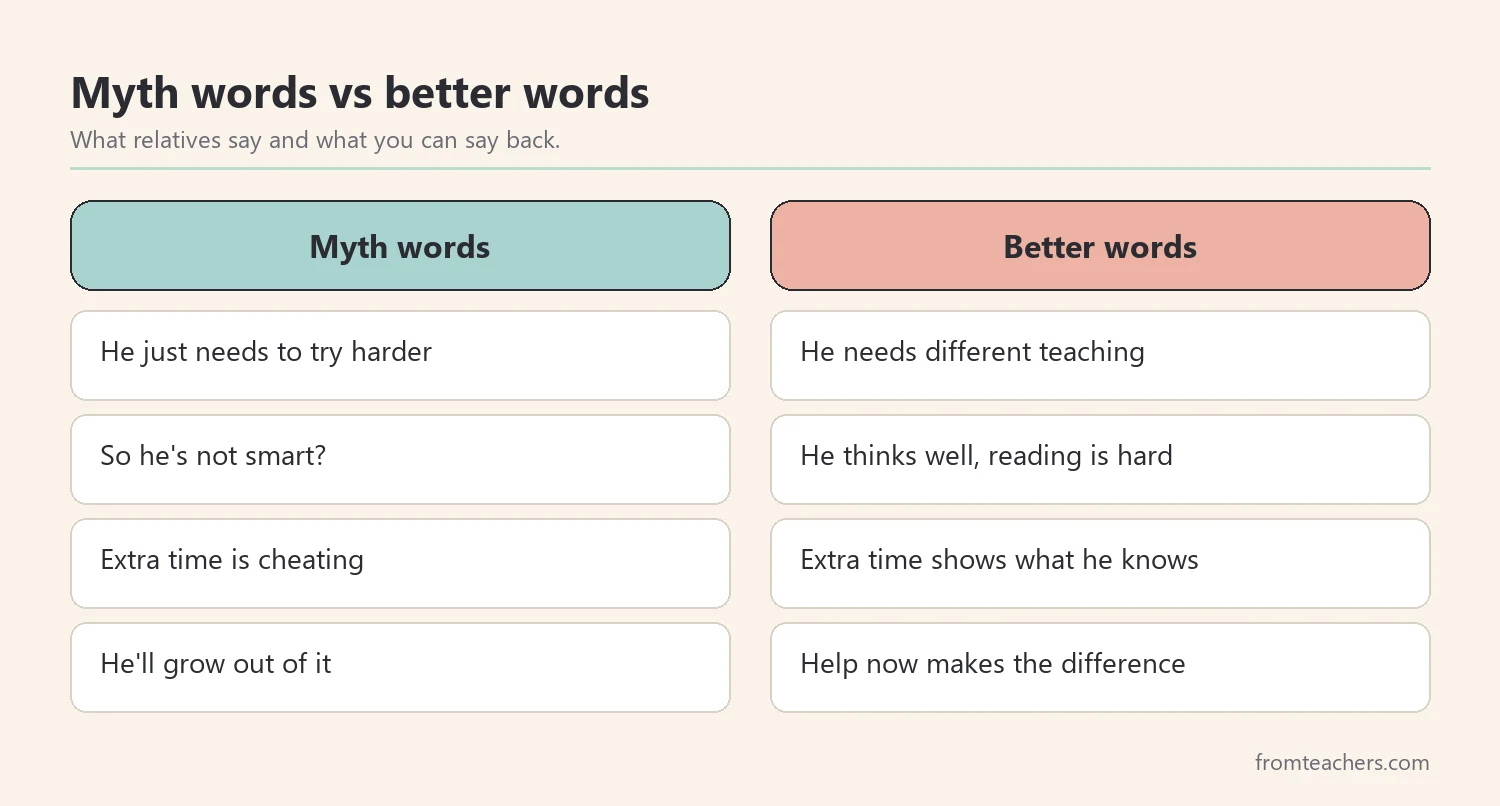
In addition, think about the words relatives use. A short note or chat with grandparents and older siblings can prevent hurtful comments. Share two or three facts, such as “It’s not about being smart” and “Extra time is fair, not cheating,” and ask them to praise effort.
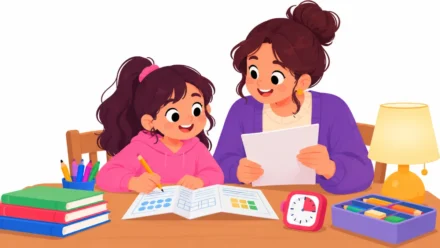
Next, notice your own reactions at homework time. A sigh or a quick “This is easy” can feel like proof of the myths to a child. Instead, try neutral words, such as “This part is tricky. Let’s use your tool.” Over weeks, your calm words become the voice your child uses inside.
Finally, celebrate small wins. A finished page, a new word read correctly or a brave question in class all count. Children who feel successful are more willing to keep trying the hard parts.
Common mistakes and how to avoid them
- Hiding the diagnosis from the child. Fix: use simple, positive words that fit your child’s age.
- Comparing siblings. Fix: compare your child only to their own past progress.
- Adding more practice of the same kind. Fix: ask the school which strategy to practice at home.
- Arguing with relatives in front of the child. Fix: talk privately and share a few facts.
- Waiting for the annual meeting to raise a concern. Fix: ask for a meeting when you see a problem.
Questions parents ask about myths about learning disabilities
Is a learning disability the same as ADHD?
No. They are different conditions, although a child can have both. ADHD mainly affects attention and activity levels, while a learning disability affects specific academic skills.
Can a learning disability be cured?
Learning disabilities are generally considered lifelong. However, good teaching, accommodations and strategies help many children make strong progress.
Should I tell my child’s teacher about the diagnosis?
If your child has an IEP, the teachers who work with your child should know the plan. Sharing what works at home also helps.
What if a relative keeps repeating a myth?
Share a short fact privately and ask for support. Many relatives change their words once they understand.
Where can I learn more?
National organizations such as the Learning Disabilities Association of America and the National Center for Learning Disabilities offer free family information.
Related reading: Accommodations vs Modifications in Special Education, Dyslexia in Education: A Guide, and Teacher and Parent Communication in Special Education.
You may also need: Dyslexia, Dyscalculia, Dysgraphia and Dyspraxia Checklists.
A companion resource for myths about learning disabilities:


SLD Support Toolkit: Reading, Writing & Math Accommodations: a 50-page guide with a plain-language explanation of SLD, myths vs facts, a strengths spotlight, separate reading, writing and math sections, and a home support and communication section.
Sources and scope
- Individuals with Disabilities Education Act (IDEA): the federal law that includes specific learning disability as a disability category and describes parent rights.
- Learning Disabilities Association of America: family information on types of learning disabilities and support.
- National Center for Learning Disabilities: resources for parents on rights and advocacy.
- Understood.org: parent-friendly explanations of learning and thinking differences.
This list explains common myths for families of children with learning disabilities. It does not replace a school evaluation, a medical opinion or legal advice about your child’s rights.
Key takeaways
- Myths about learning disabilities often confuse skill gaps with intelligence or effort.
- A learning disability can affect reading, writing or math, in different patterns.
- Accommodations give access to learning; they do not lower the goal.
- Parents are full members of the IEP team and can ask for changes.
- Calm, accurate words at home protect a child’s confidence.







Leave a Comment