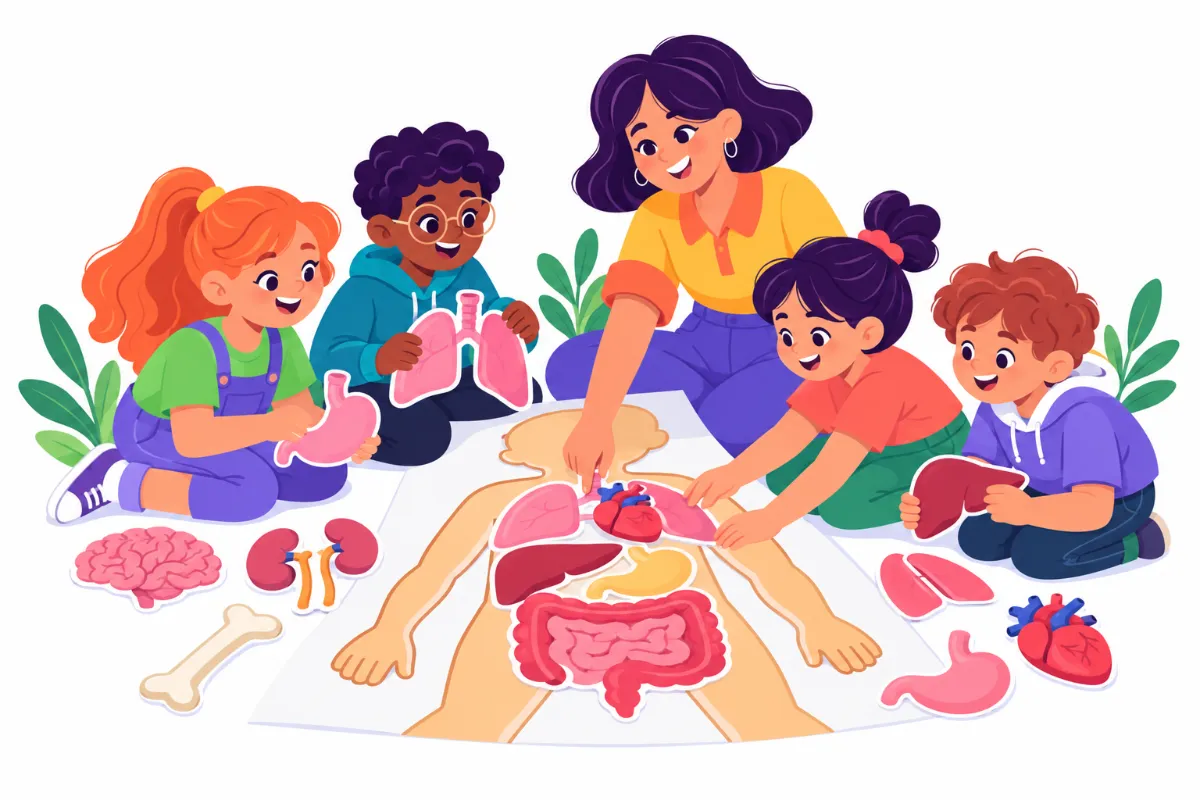

Teaching human body organs for kids becomes much easier when each organ feels like a real character. A diagram full of labels can be hard to remember, but a heart that acts like a busy delivery pump sticks.
This guide shares simple explanations, hands-on activities, and adaptations for diverse learners. In addition, it shows how characters and stories make anatomy fun at school and at home.
Why Kids Struggle With Anatomy
Organs are hidden inside the body, so children cannot see them work. For example, digestion is a long process that happens out of sight. As a result, kids may memorize names without understanding jobs.
Connecting each organ to a clear job and a familiar comparison helps understanding stick.
Human Body Organs for Kids: Simple Job Descriptions
- Brain: the boss that sends messages and helps us think, move, and feel.
- Heart: a pump that pushes blood around the body all day and night.
- Lungs: two balloons that bring in oxygen and push out air we do not need.
- Stomach: a mixer that breaks food into smaller pieces.
- Intestines: long tubes that take useful nutrients from food.
- Liver: a cleaner that helps filter the blood.
- Kidneys: filters that make urine from waste and extra water.
- Skin: the body’s largest organ and protective coat.
Next, teach a few organs at a time. Then show how they work together as systems.
Turn Organs Into Characters
Characters make facts memorable. For example, the heart could be “Pumpy,” a hard worker who never takes a day off. Also, the lungs could be twin balloons who love fresh air.
Invite students to create their own organ character with a name, job title, catchphrase, and one real fact. Because this mixes creativity with science, it works well for many learners.
Hands-On Activities
Body outline
Trace a student on large paper. Then add paper organs in the right places. Finally, label each one with its job.
Heartbeat check
Students find their pulse, count beats for fifteen seconds, then jump for a minute and count again. As a result, they see the heart respond to activity.
Lung model
Build a simple model with a bottle and balloons. In addition, discuss how breathing in and out works.
Teaching Human Body Organs for Kids With Special Needs
Many students benefit from concrete and visual supports. For example, use real-size pictures, tactile models, and short videos.
- Pair every organ name with a picture and a gesture.
- Use simple, repeated sentences like “The heart pumps blood.”
- Offer matching and sorting tasks instead of long writing.
- Connect lessons to daily life, like eating, breathing, and exercise.
Also, body lessons can support self-care. Understanding the stomach, for instance, can help children notice hunger and fullness.
Connecting Anatomy to Healthy Habits
Learning about organs leads naturally to health. For example, after learning about the heart, talk about exercise. After the lungs, talk about clean air.
The KidsHealth site for children offers kid-friendly articles to extend the unit. Furthermore, for a ready-made character set, see this organs-as-characters anatomy resource with nicknames, jobs, and catchphrases for each organ.
How Organs Work Together
Once kids know individual organs, show how they cooperate. For example, the lungs bring in oxygen, the heart pumps it through the blood, and the brain uses it to think. As a result, students see the body as a team.
- Digestive team: mouth, stomach, intestines, and liver.
- Breathing team: nose, windpipe, and lungs.
- Circulation team: heart, blood vessels, and blood.
- Control team: brain, spinal cord, and nerves.
Next, try a “follow the sandwich” activity. Students trace the path of food through the body on their body outline. Also, they can act out each organ’s job in a class play.
Finally, review with a quick game, like “Who am I?” riddles. Teaching human body organs for kids as connected teams helps students understand that every part matters. In addition, it lays a strong foundation for later science lessons about human body organs for kids and teens.
At home, parents can continue the learning in simple ways. For example, talk about the stomach during meals, or count heartbeats after a bike ride. Also, borrow library books about the body and read them together. Because children connect best to their own experiences, everyday moments make the science feel real.
Finally, let kids teach a family member one organ fact each night. Explaining what they know is a powerful way to remember it.
Above all, keep the tone playful and curious. When children laugh while they learn, they remember more, and they often ask the best questions about how their own bodies work.
Frequently Asked Questions
What organs should young children learn first?
Start with the brain, heart, lungs, and stomach. These have clear jobs kids can feel or relate to.
How do I explain the heart to a child?
Call it a pump. It squeezes to push blood through tubes, carrying oxygen and food to every part of the body.
How can I make anatomy fun?
Use characters, stories, and hands-on activities like heartbeat checks and body outlines. Kids remember what they experience.
Ready-to-use resource:
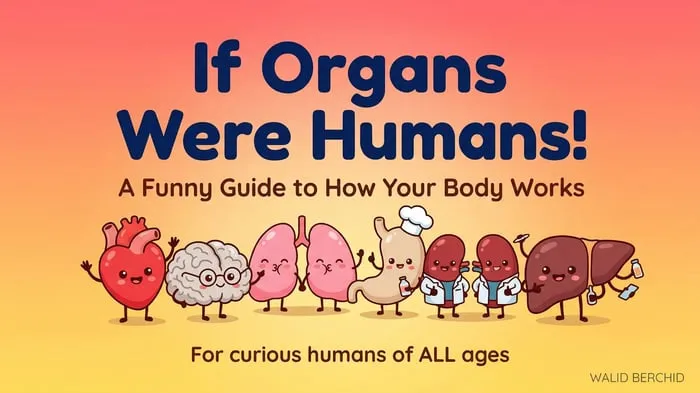
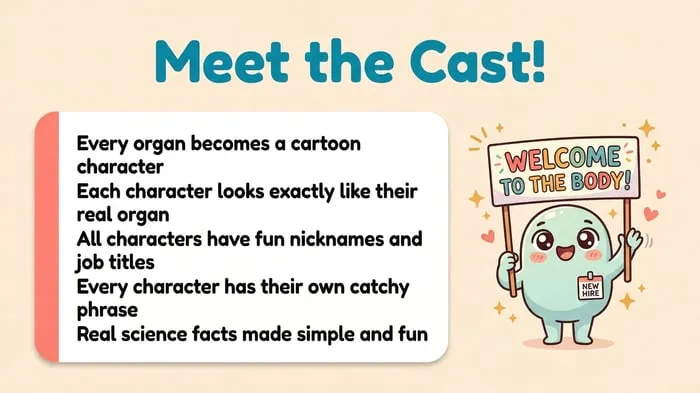
If Organs Were Humans!: Every organ gets a cartoon personality, nickname, and catchphrase, turning anatomy into something students want to read.
Related reading: Learning Styles Student Success Guide and 5 Practical Teaching Tips to Boost Classroom Focus and Learning.
Also on FromTeachers:
Key Takeaways
- Give each organ a simple job description and comparison.
- Characters and stories make anatomy memorable.
- Hands-on activities let kids feel how their bodies work.
- Visual and concrete supports help every learner.


Leave a Comment