


Strong emotional boundaries for teachers matter in special education, where compassion fatigue is common. You care deeply about your students. You carry their struggles, their families’ worries, and your own high standards. Over time, that weight adds up.
The good news is that compassion fatigue can be recognized and eased. This guide explains the signs, the causes, and the emotional boundaries for teachers that help you stay caring without burning out.
What Compassion Fatigue Is and Why Emotional Boundaries for Teachers Matter
Compassion fatigue is emotional and physical exhaustion from caring for others in distress. It often affects nurses, counselors, and teachers.
In special education, the risk can be higher. You may support students through trauma, crises, or medical needs. Also, you often work closely with families facing hard times.
Compassion fatigue is not a weakness. Instead, it is a natural result of caring deeply without enough time to recover.
Warning Signs to Watch For
Signs often creep in slowly. So it helps to know what to look for.
- Feeling numb or detached from students you once felt close to.
- Dreading the school day, even after rest.
- Trouble sleeping or constant worry about students.
- Irritability with colleagues, family, or friends.
- Feeling like nothing you do makes a difference.
- Physical signs, such as headaches or frequent illness.
If several of these sound familiar, take them seriously. However, also know that recovery is possible.
Burnout, Compassion Fatigue, and Emotional Boundaries for Teachers
The two are related, but they are not identical. Burnout usually comes from workload, paperwork, and system stress. Compassion fatigue, by contrast, comes from the emotional cost of caring.
Many teachers experience both at once. For example, heavy caseloads cause burnout. Meanwhile, supporting a student in crisis causes compassion fatigue.
Knowing the difference helps you choose the right support. Workload problems need system changes. Emotional strain needs recovery and emotional boundaries for teachers.
Setting Emotional Boundaries for Teachers
Boundaries let you care without carrying everything. They are not walls. Instead, they are limits that protect your energy.
Time Boundaries
Set an end time for work most days. Then stick to it. In addition, avoid checking email late at night.
Emotional Boundaries
Remind yourself that you are one part of a student’s support team. You do not have to fix everything alone.
Role Boundaries
Know when to refer. Counselors, social workers, and nurses are there to help. So share concerns with them early.
The toolkit on the emotional weight of special education pairs each common challenge with a clear strategy and the reason it helps.
Daily Habits That Support Emotional Boundaries for Teachers
Small habits add up. Try a few of these each week:
- Transition ritual: Take three deep breaths before leaving school.
- Debrief: Talk through a hard day with a trusted colleague.
- Move: Walk, stretch, or dance for ten minutes.
- Write: Jot down one good moment each day.
- Disconnect: Keep one day a week fully work-free.
Also, notice what refills you. For some, it is time outdoors. For others, it is music, faith, or friends. Then protect that time like an important meeting.
In addition, lower the bar on perfect self-care. Five calm minutes still count. Small, steady steps work better than big plans you cannot keep.
Leaning on Your Team
No teacher should carry heavy emotions alone. So build a support circle at school.
First, find one or two colleagues you trust. Next, check in with each other regularly. In addition, ask administrators about mentoring or wellness programs.
Peer support makes a real difference. Simply hearing “Me too” can lift a lot of weight. It reminds you that you are not alone.
When to Seek Professional Help
Sometimes self-care is not enough. If you feel hopeless, cannot sleep, or struggle to function, reach out for help.
Many districts offer an Employee Assistance Program with free, private counseling. Also, a doctor or licensed therapist can help. The SAMHSA website lists support resources and helplines.
Seeking help is a sign of strength. It also helps you keep doing the work you love.
Helping Colleagues Build Emotional Boundaries for Teachers
Sometimes you notice the signs in a coworker first. They seem flat, tired, or short-tempered. So a kind check-in can matter a lot.
First, choose a private moment. Then say what you have noticed without judgment. For example, “You seem worn down lately. How are you doing?”
Next, listen more than you advise. Many people just need to feel heard. In addition, offer practical help, such as covering a duty or sharing lesson materials.
- Invite them for a short walk at lunch.
- Share resources, like your district’s counseling program.
- Celebrate small wins together.
- Respect their privacy and pace.
Also, model healthy habits yourself. When colleagues see you leave on time or take a real break, it gives them permission too. As a result, the whole team becomes stronger.
Finally, talk with leaders about systems. Shared planning time, fair duty schedules, and regular wellness check-ins reduce the strain for everyone. Building emotional boundaries for teachers works best as a team effort, not a solo fight.
Frequently Asked Questions
Is compassion fatigue the same as depression?
No. They can share symptoms, but they are different. If you are worried, talk with a health professional.
Can compassion fatigue go away?
Yes. With rest, boundaries, and support, many teachers recover and feel like themselves again.
How can schools help prevent it?
Schools can offer mentoring, manageable caseloads, wellness time, and access to counseling.
Ready-to-use resource:
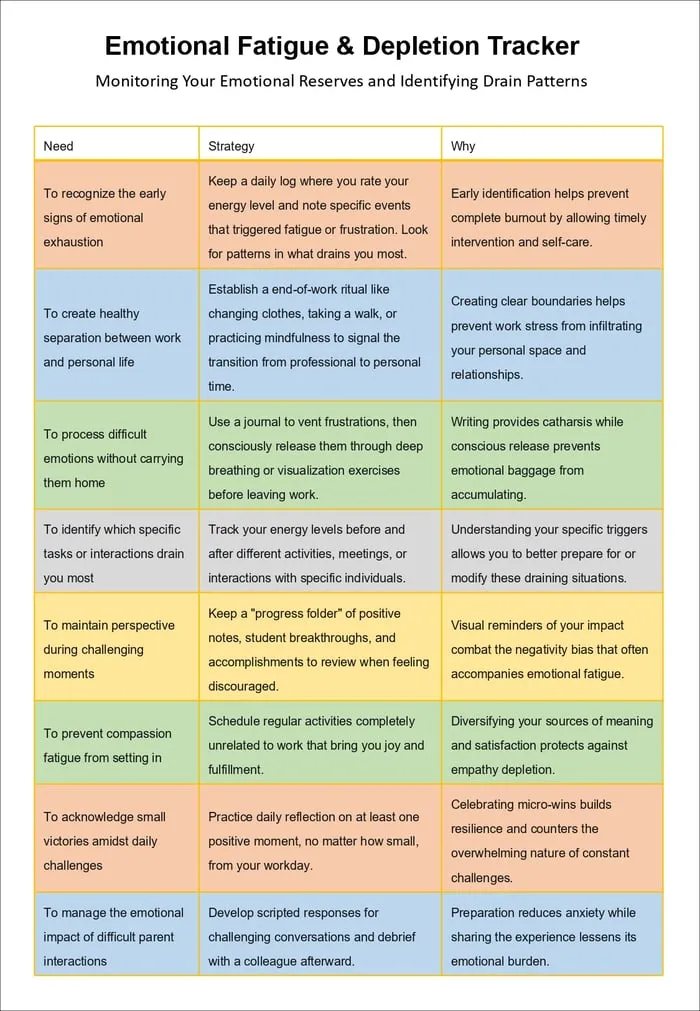
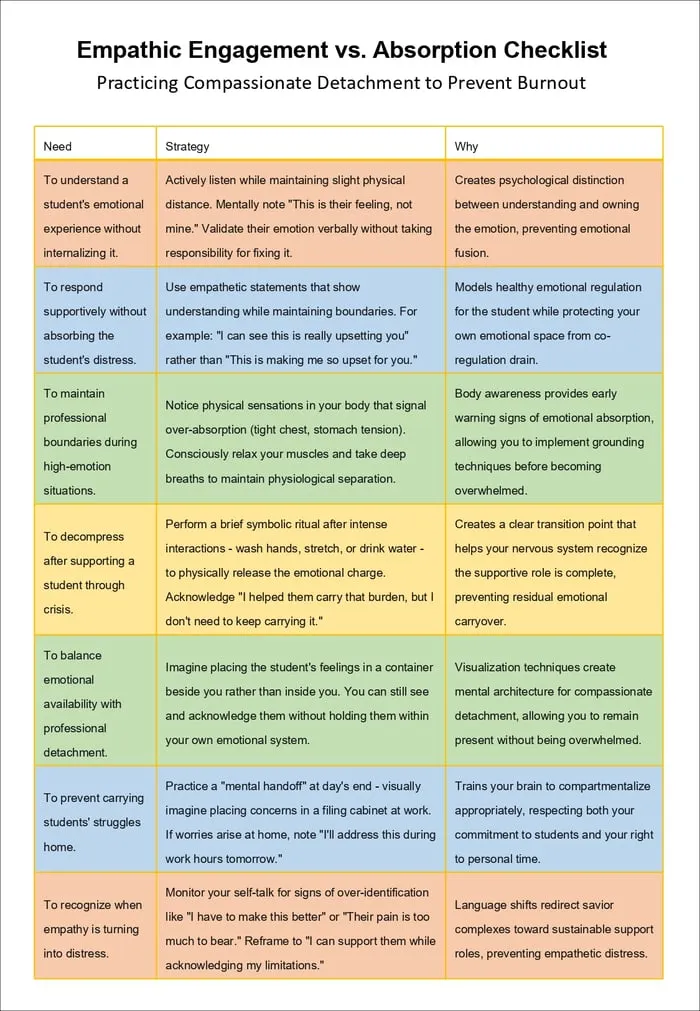
Understanding the Emotional Weight of Special Education: A 12-page Need/Strategy/Why toolkit that pairs common emotional challenges of special education with concrete self-care and boundary steps.
Related reading: Addressing Difficulties in Special Education: Practical Approaches for Educators and Reflect & Plan: A Teacher’s New Year Guide.
Also on FromTeachers:
Key Takeaways
- Emotional boundaries for teachers ease the emotional cost of caring.
- Watch for numbness, dread, poor sleep, and irritability.
- Time, emotional, and role limits protect your energy.
- Lean on colleagues and seek professional help when needed.









Leave a Comment