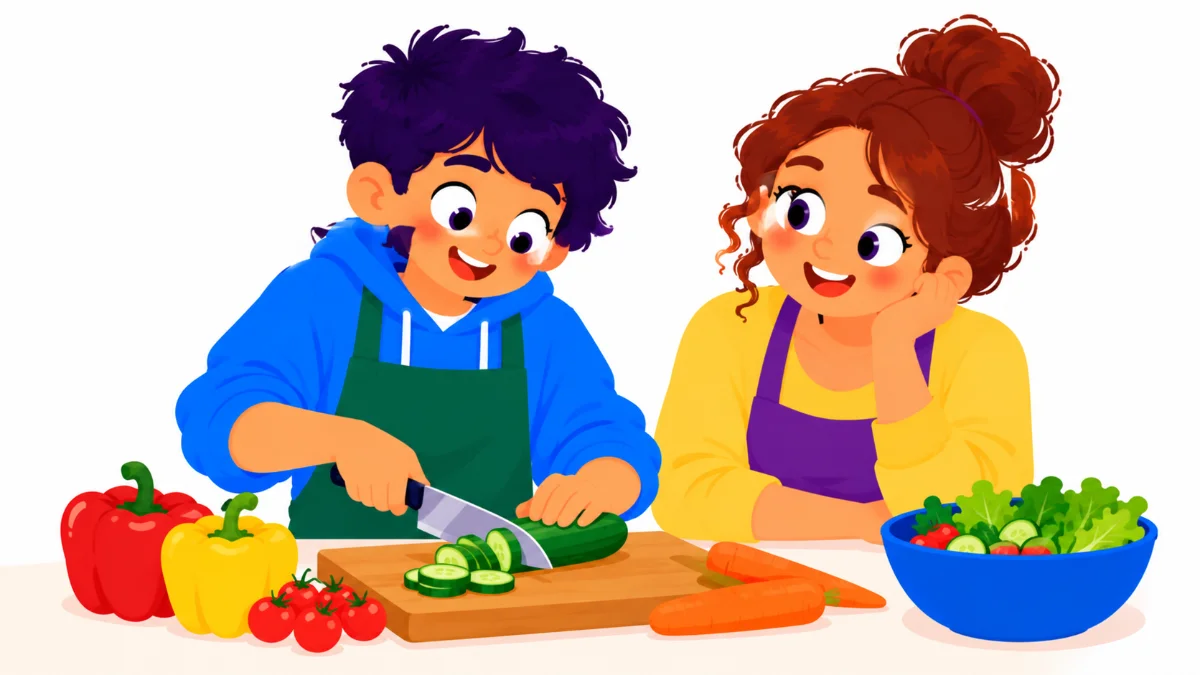

Beginner cooking skills give teens and young adults one of the most useful kinds of independence: making a simple, safe meal on their own. Picture a fifteen-year-old standing in the kitchen at dinnertime. She wants to help, but she is not sure how to hold the knife, which pan to use, or when the chicken is done, so she watches instead.
This guide gives you five steps to teach beginner cooking skills at home or in a life skills class: set up a few good tools, build safe habits, learn knife basics, practice core cooking methods, and season simple meals. By the end, you will have a clear sequence to follow, one skill at a time.
Examples are fictional. Adapt to the learner’s goals and agreed supports. This is guidance, not a diagnosis.
At a glance
- A few good tools are enough to start cooking real meals.
- Safe habits come before speed or fancy recipes.
- Knife skills start with setup, grip, and slow practice.
- Four core methods cover many everyday meals.
- Seasoning turns basic food into food people want to eat.
1. Set up a simple kitchen for beginner cooking skills
First, keep the setup simple. New cooks do not need a drawer full of gadgets. A sharp chef’s knife, a stable cutting board, one pot, one frying pan, measuring cups and spoons, a spatula, and a wooden spoon will handle most simple meals.
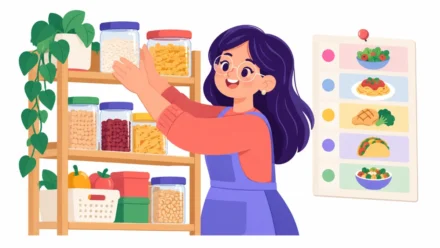
Next, give each tool a home. When tools live in the same place every time, learners spend less energy searching and more energy cooking. A small labeled bin or a single drawer for “my cooking tools” works well for teens who are just starting.
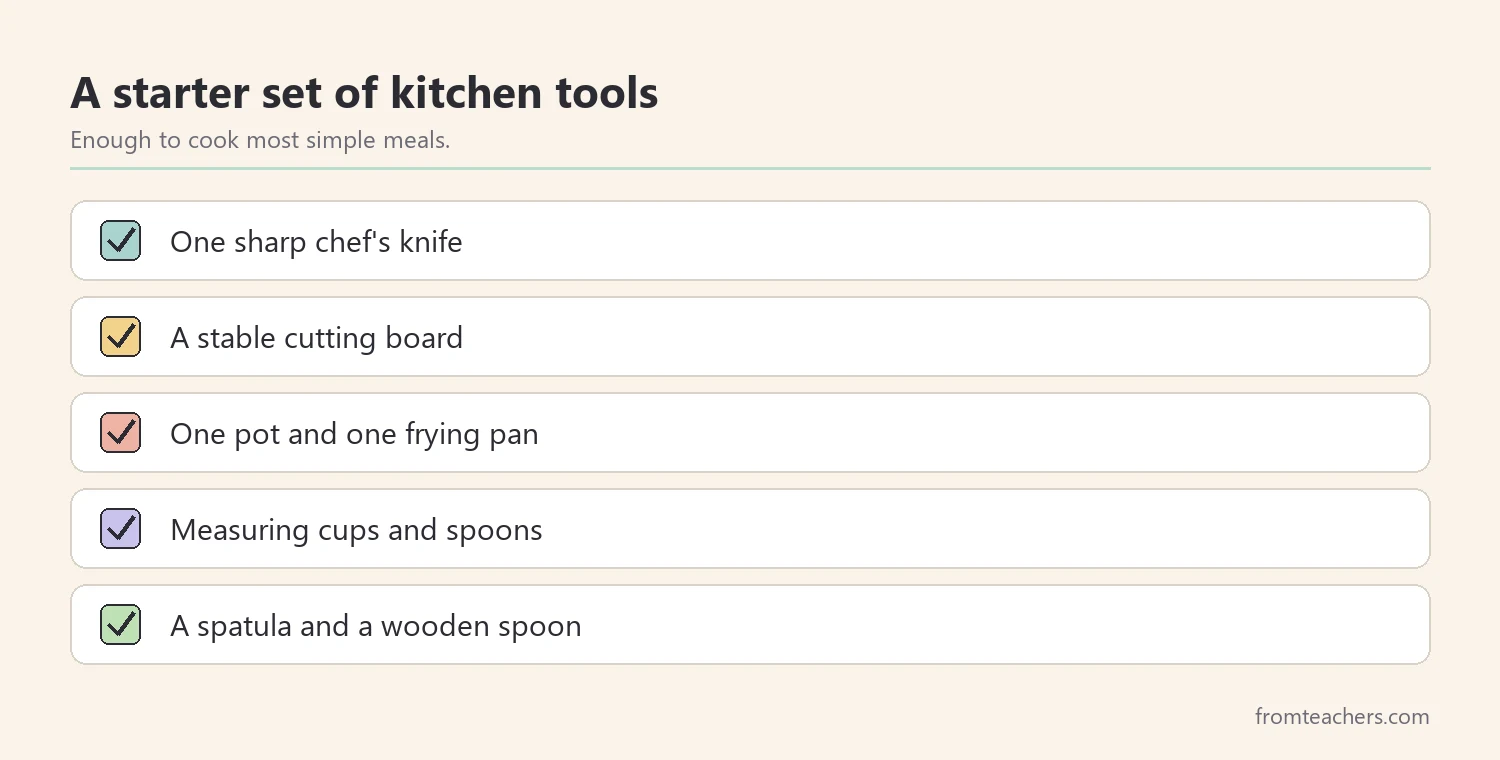
Also, teach the names. Knowing tool names is one of the quiet beginner cooking skills that makes every recipe easier to follow. When a recipe says “saucepan,” the learner should know exactly which pot to grab without asking. Saying “frying pan,” “saucepan,” and “spatula” every time helps learners follow recipes and directions later. Point to each tool as you name it during the first few sessions.
In addition, prepare a clear workspace. Clear the counter, wipe it down, and set out only what the recipe needs. A tidy workspace reduces mistakes and makes it easier to stay safe. This simple routine is one of the most underrated beginner cooking skills.
Then, read the recipe together before starting. Before you start, gather all the ingredients and tools. Cooks often call this “mise en place,” which means everything in its place. As a result, it turns a stressful scramble into a calm, step-by-step process.
Worked example. Nadia is a fictional fifteen-year-old learning beginner cooking skills at home with her father, Mr. Haddad. They clear one drawer for her tools and label it. Before each session, Nadia reads the recipe aloud and sets out everything she needs.
2. Build safe habits as beginner cooking skills
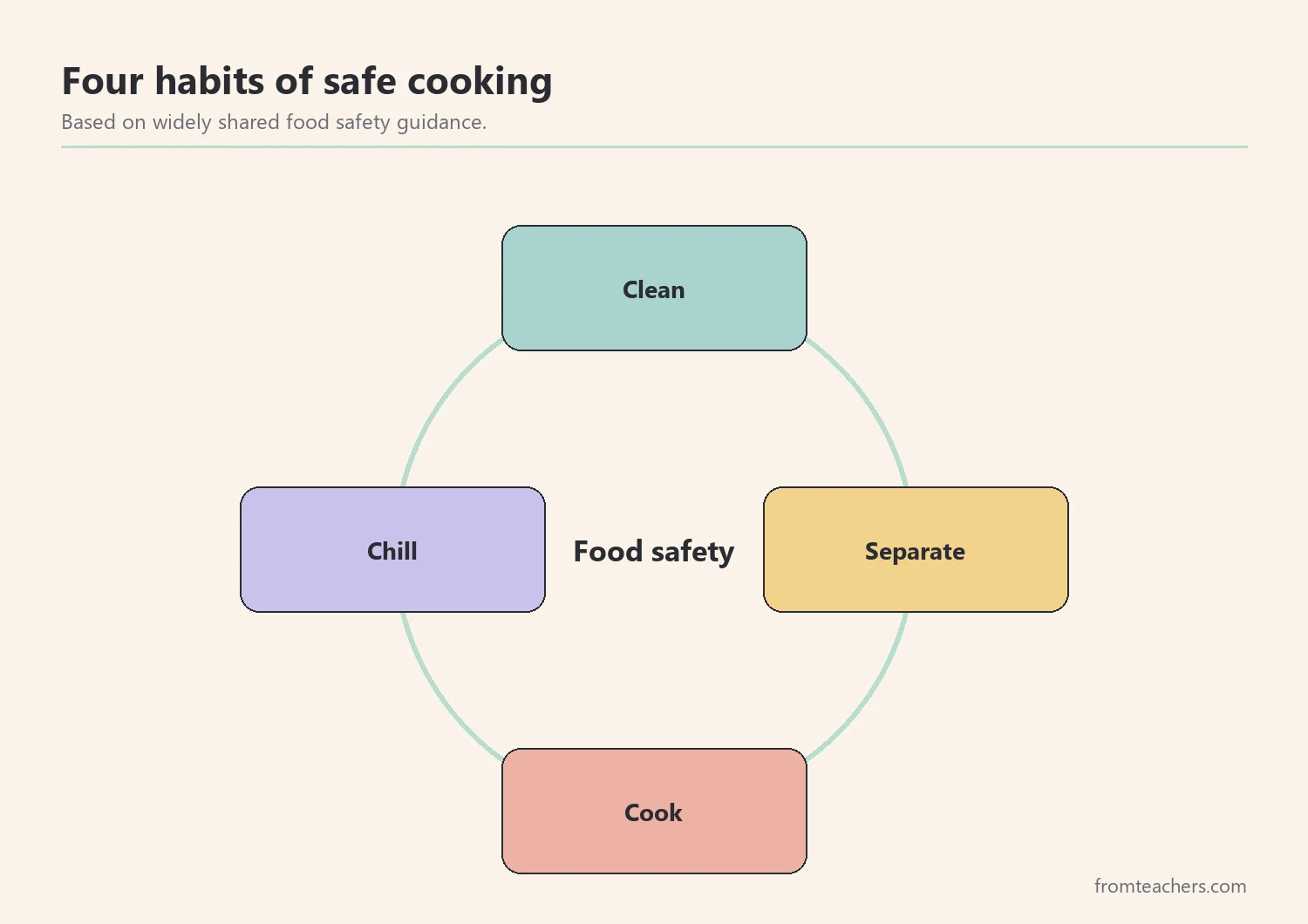
Next, make safety automatic. Food safety guidance from public health agencies often comes down to four simple habits: clean, separate, cook, and chill. These habits protect everyone at the table and form the base of all beginner cooking skills.
For example, clean means washing hands and surfaces often. Separate means keeping raw meat away from foods that will not be cooked, using different boards or washing between uses. Cook means cooking food all the way through, ideally checked with a food thermometer. Chill means putting leftovers in the refrigerator promptly.
Then, teach stove and heat safety. Turn pot handles inward so they cannot be knocked. Use oven mitts, not towels. Keep loose sleeves and long hair away from flames and hot surfaces. Stay in the kitchen while something is cooking on the stove.
Also, practice what to do if something goes wrong. Learners should know how to turn off the burner, how to cover a small pan fire with a lid, and when to leave and get help. Talk through these steps calmly before cooking, not during a problem.
In addition, model safe habits every time. Learners copy what they see. If adults wash hands, wipe boards, and turn handles in each session, these habits become part of how the learner cooks.
Worked example. Mr. Haddad teaches Nadia the four safety habits on a sticky note by the sink. In the first week, he reminds her to wash her hands and switch boards. By the third week, she does both without being asked.
3. Learn knife basics step by step
Next, teach knife skills slowly. Among all beginner cooking skills, this one rewards patience the most. Many new cooks feel nervous with a knife, and that caution is healthy. The goal is control, not speed. Good knife habits make cooking safer and more enjoyable.
First, set up the board. A damp towel under the cutting board stops it from sliding. Then show a firm grip on the handle with dry hands. Next, teach the “claw” for the other hand: fingertips curled under, knuckles guiding the blade.
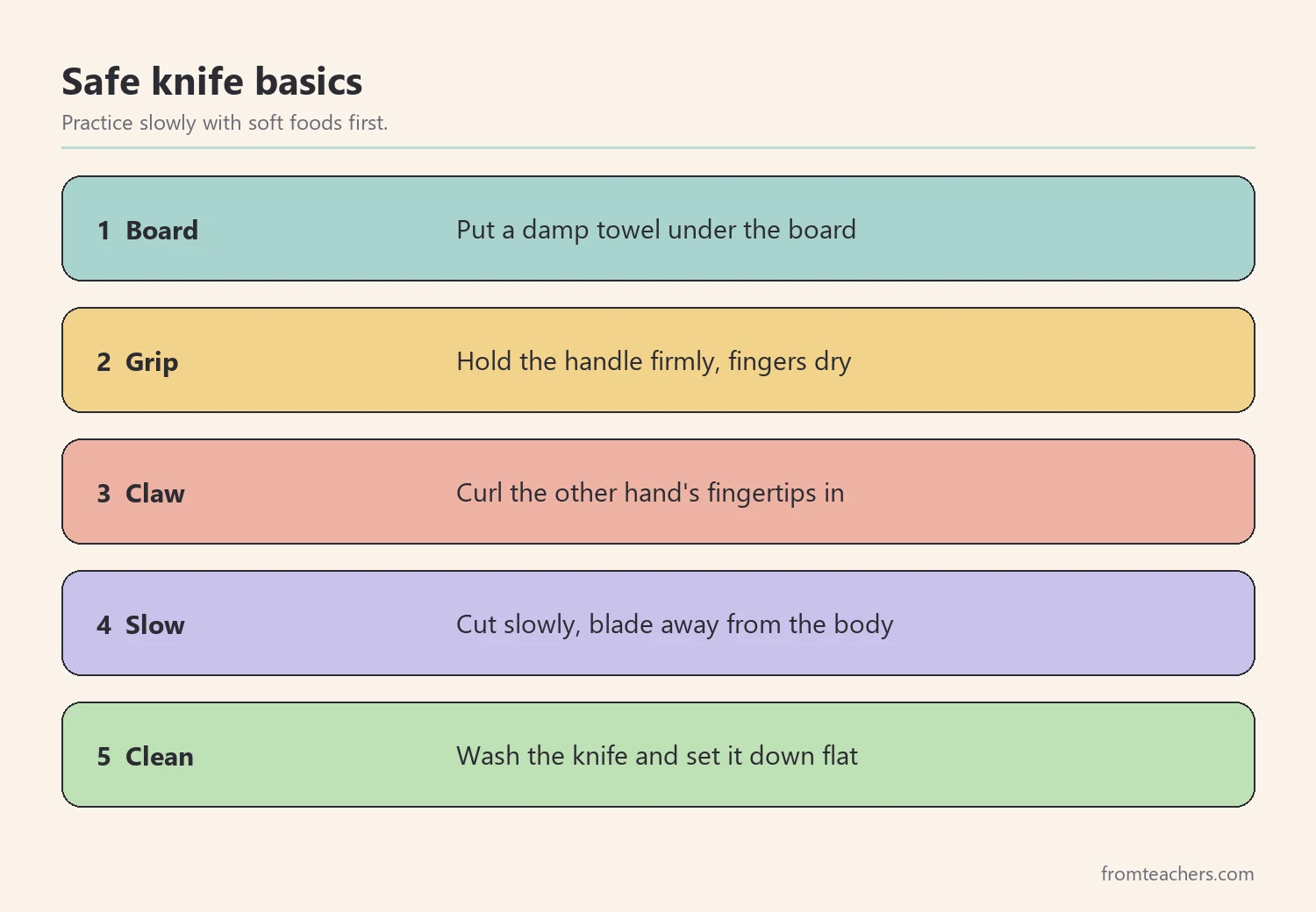
Then, practice on soft foods, which let beginner cooking skills develop without much risk. Bananas, mushrooms, and cooked potatoes are forgiving. Once the learner is confident, move to onions, peppers, and carrots. Show one cut at a time, such as slicing, then dicing.
Also, teach knife care and storage. Wash the knife by hand, dry it, and store it safely. Never leave a knife in a sink full of soapy water, where someone might reach in without seeing it. Set the knife down flat, away from the edge of the counter.
For a reference that follows the same order, the Cooking Foundations for Real Life beginner cooking skills guide is a free practical guide organized for daily cooking, starting with kitchen setup and tools and moving through safety, knife skills, and pantry use.
Worked example. Nadia practices slicing bananas and mushrooms for two sessions. Mr. Haddad watches her claw grip and reminds her to slow down. In the third session, she dices an onion for the first time, slowly but safely.
4. Practice core cooking methods
Next, learn a handful of methods, because strong beginner cooking skills grow from a few methods practiced well. Recipes look endless, but most everyday meals use a small set of cooking methods. Learning these methods well builds beginner cooking skills that transfer to many recipes.
For example, start with four. Boiling means cooking food in bubbling water, such as pasta or eggs. Sauteing means cooking quickly in a little oil, such as onions and peppers. Roasting means cooking in a hot oven, such as vegetables or potatoes. Simmering means cooking gently just below a boil, such as soups and sauces.
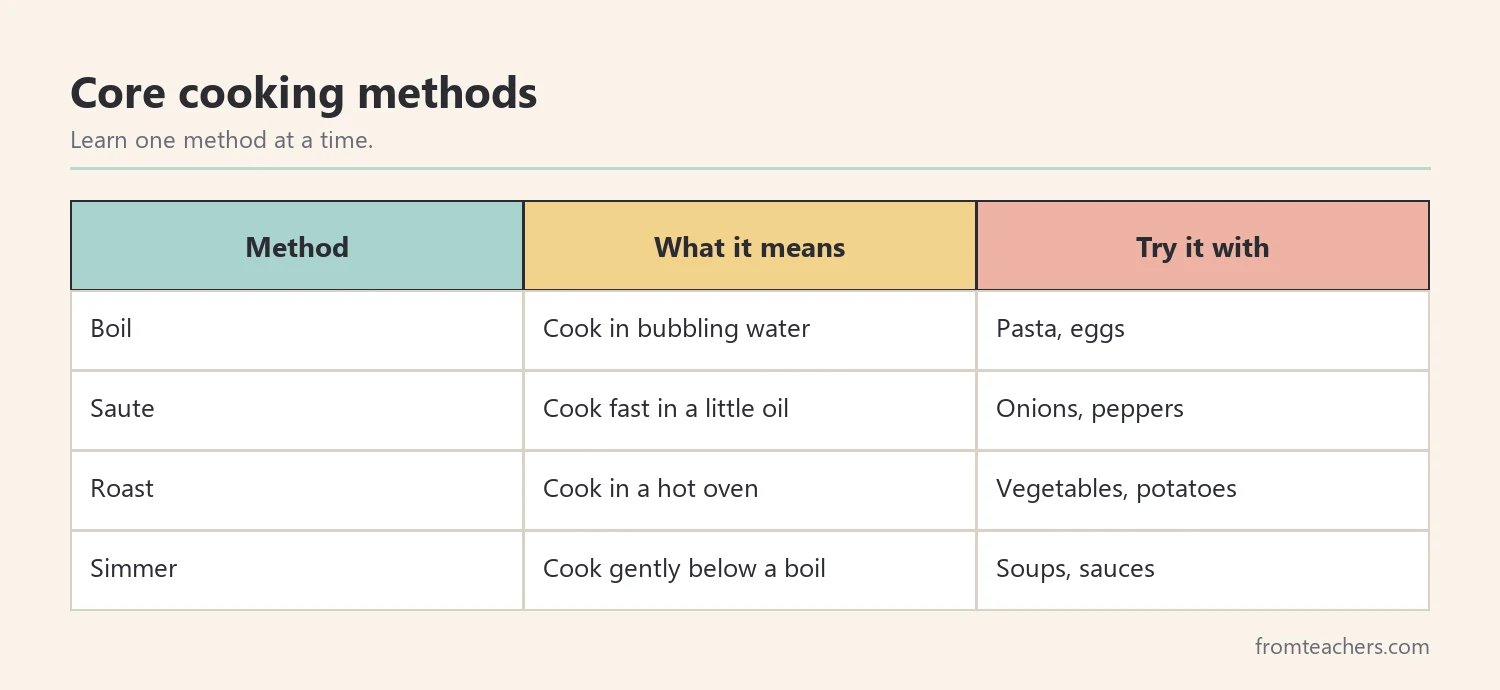
Then, teach one method at a time, the same way you would teach any other beginner cooking skills. Spend a week or two on each. Make two or three dishes with the same method so the learner sees the pattern. For example, boil pasta one day and eggs the next.
Also, teach the learner to watch and listen. Bubbles show when water is boiling. A gentle sizzle shows the pan is ready for a saute. Golden edges show roasted vegetables are close to done. These cues build confidence and judgment.
In addition, use timers. A kitchen timer or phone timer helps learners remember food on the stove or in the oven. It is one of the simplest supports for building independence in the kitchen.
Worked example. Nadia learns to boil pasta in week one and roast potatoes in week two. She sets a timer for each. Mr. Haddad notices she now checks the pot herself when the timer rings.
5. Season food and cook complete meals
Finally, make food taste good. Seasoning is where beginner cooking skills become real cooking. Salt, pepper, a little acid such as lemon juice, and a few herbs can turn plain food into a dish the family enjoys.
First, teach “taste and adjust.” Add a small amount of salt, taste, and add more if needed. It is easier to add than to take away. Encourage learners to taste at the start, middle, and end of cooking.
Then, combine skills into complete meals. A simple plate might include a roasted vegetable, a boiled grain such as rice or pasta, and a sauteed protein. Each part uses a method the learner already knows.
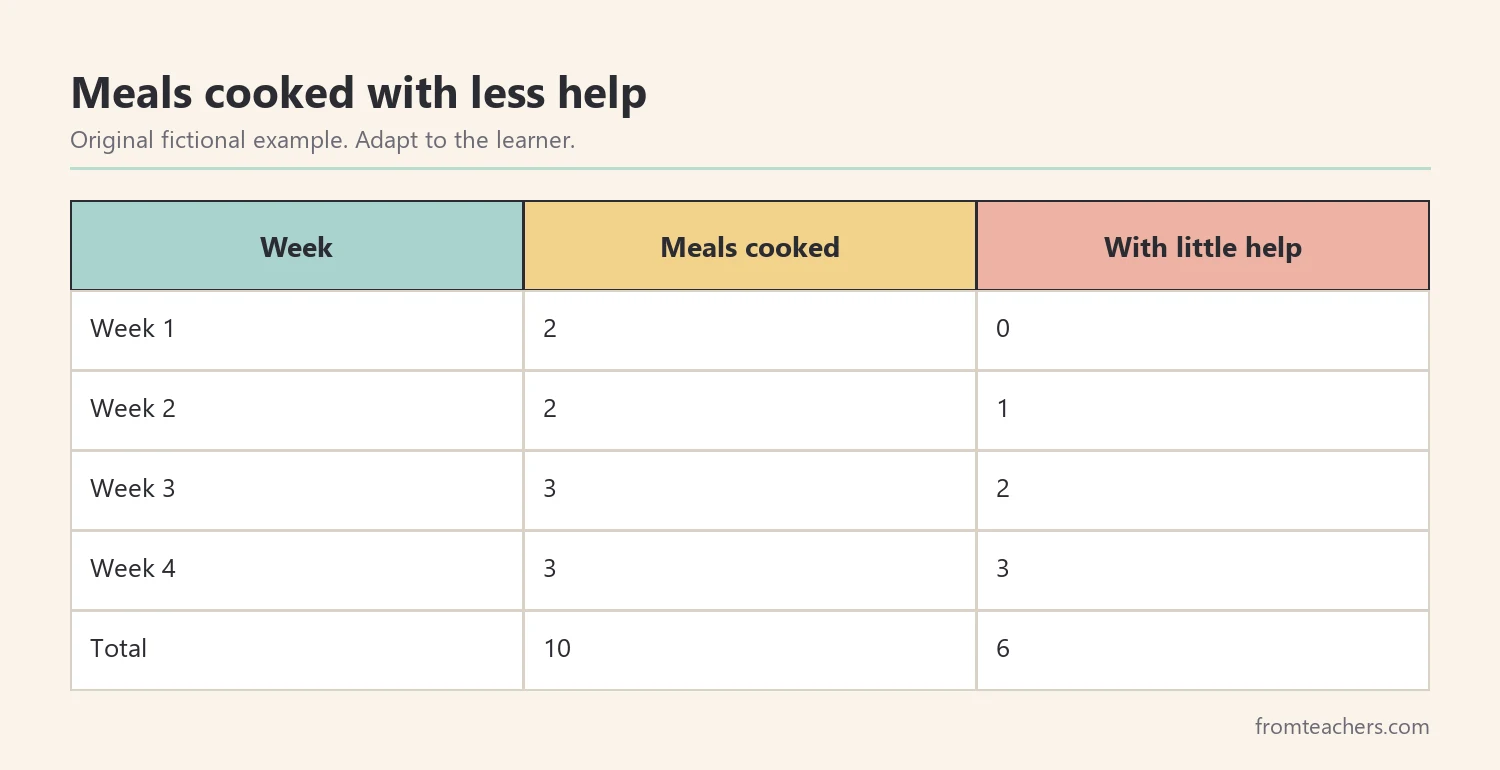
Also, track progress in a simple way, so you can see beginner cooking skills growing week by week. Count how many meals the learner cooks each week and how many needed only a little help. Celebrate each meal, even simple ones. Pride in cooking keeps learners coming back to the kitchen.
In addition, connect cooking to goals. For students working on independent living skills, cooking can link to transition goals agreed by the team. Families and teachers can share recipes and progress so the learner practices in both places.
Worked example. Over four weeks, Nadia cooks 10 meals. In week 1, she cooks 2 with lots of help. Week 2 brings 2 meals, 1 with little help. In week 3, 3 meals, 2 with little help. By week 4, it is 3 meals, all 3 with little help. That is 6 of 10 meals with little help.
Teaching cooking in a life skills class
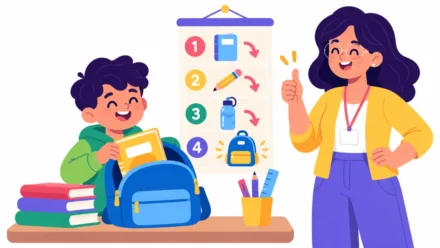
Teachers can use the same sequence at school. Start with tools and safety, then knife skills, then methods. Keep groups small, assign clear jobs, and use picture recipes for students who are still building reading skills.
Also, follow school rules on stoves, knives, and allergies. Check with the team about each student’s needs, and send recipes home so families can practice beginner cooking skills too.
Making cooking time enjoyable
Cooking should feel rewarding, not stressful. Choose recipes the learner actually wants to eat. Let them pick one meal each week. Interest is a powerful motivator, and favorite foods often lead to the most practice.
Also, accept small mistakes. Slightly burnt toast or overcooked pasta is part of learning. Talk about what to change next time, and keep the mood light. Learners who feel safe making mistakes build beginner cooking skills faster than learners who fear getting it wrong.
In addition, eat together when you can. Sharing a meal the learner cooked gives the work a real purpose and a moment of pride. Even a simple pasta dinner becomes a small celebration of new skills.
Common mistakes and how to avoid them
- Starting with complex recipes. Learners get overwhelmed. Fix: start with one method and two or three simple dishes.
- Skipping safety talks. Unsafe habits form early. Fix: teach clean, separate, cook, and chill first.
- Rushing knife skills. Speed leads to cuts. Fix: practice slowly on soft foods.
- Doing it for the learner. It is faster, but they do not learn. Fix: guide with words and let them do the task.
- Forgetting to taste. Food ends up bland. Fix: taste and adjust at each stage.
- No timers. Food burns or is forgotten. Fix: set a timer every time.
Questions teachers and parents ask about beginner cooking skills
At what age can kids start learning to cook?
Young children can help with simple tasks such as washing vegetables or stirring. Teens can usually learn knife skills and stove use with supervision. Match tasks to the learner’s maturity and the adult’s comfort level.
Which skill should come first?
Start with kitchen setup and safety. Once the learner can work cleanly and safely, move to knife basics and then to cooking methods.
How can I support a learner who cannot read recipes yet?
Use picture recipes, model each step, and break tasks into short sequences. Many learners follow visual steps well with practice.
How do I know when food is cooked safely?
A food thermometer is the most reliable way to check meat, poultry, and eggs. Public food safety agencies publish safe cooking temperatures, and it is worth keeping a chart near the stove.
Can cooking support IEP or transition goals?
Yes, when the team agrees. Cooking can support goals related to independent living, following directions, and safety. Track progress in the way the team decides.
Related reading: Navigating the Path to Adulthood: Building Essential Life Skills, Building Workplace Readiness: Essential Skills for Career Success, and Bridging Gaps in Special Education: Practical Strategies for Teachers.
A companion resource for beginner cooking skills:
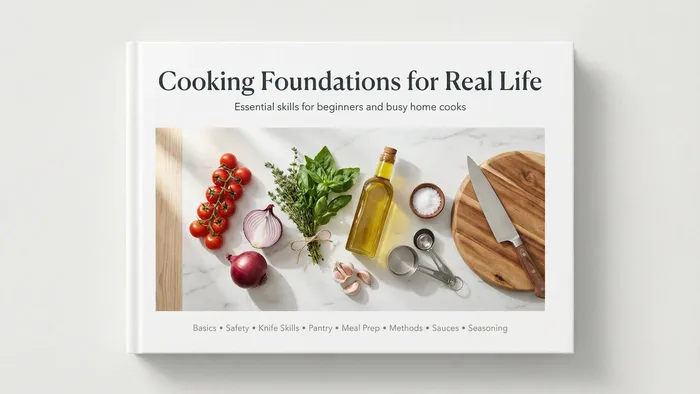
Cooking Foundations for Real Life: a free practical guide to essential cooking skills for beginners and busy home cooks, organized from kitchen setup and tools through safety, knife skills, and pantry use.
Sources and scope
- FoodSafety.gov: U.S. government food safety information, including safe handling and cooking.
- USDA Food Safety and Inspection Service: guidance on safe food handling and cooking temperatures.
- National Fire Protection Association (NFPA): general information on cooking fire safety at home.
- National Technical Assistance Center on Transition: resources on independent living and transition planning.
This guide covers a simple sequence for teaching beginner cooking at home or in a life skills class. It does not replace official food safety guidance, allergy plans, or school safety rules.
Key takeaways
- Start with a few good tools and a clear workspace.
- Teach clean, separate, cook, and chill before anything else.
- Practice knife skills slowly, starting with soft foods.
- Learn four core methods, one at a time.
- Season by tasting and track meals cooked with less help.







Leave a Comment