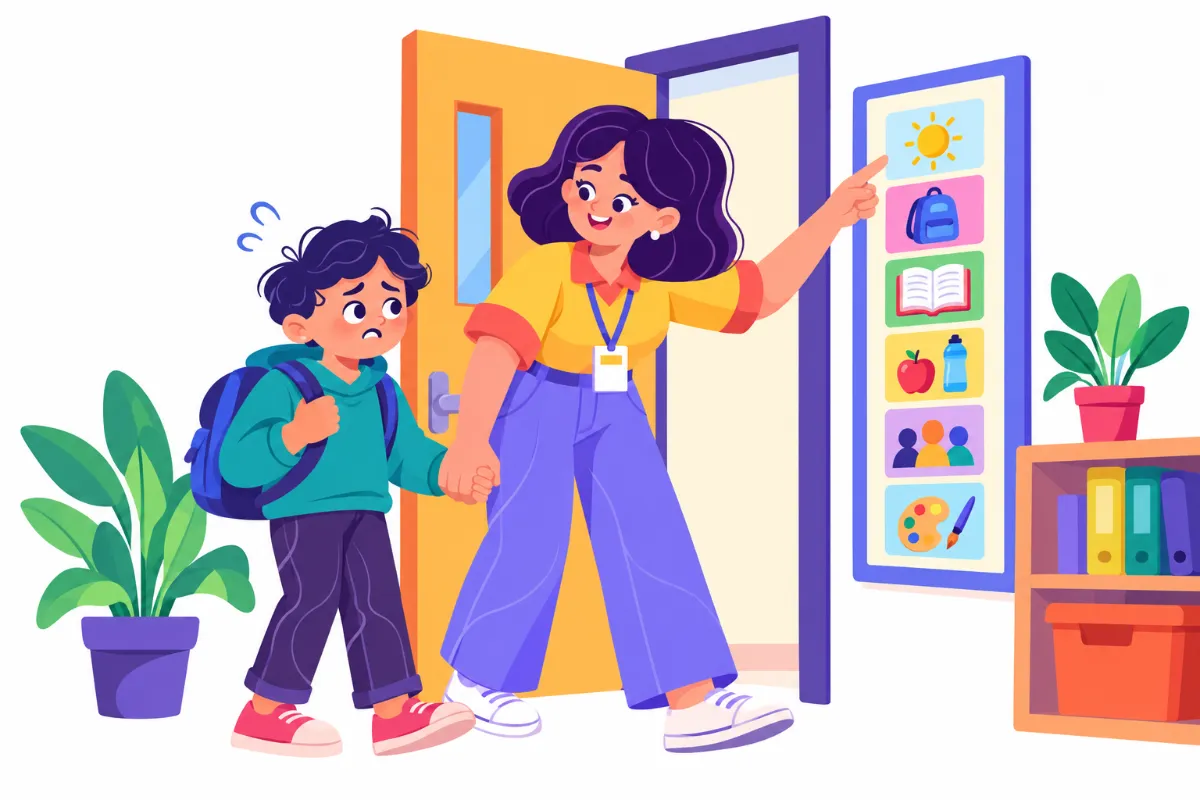

School transitions for kids can be exciting, but they are often stressful too. A new teacher, a different classroom, or a changed schedule can shake a child’s sense of safety. For many students with disabilities, these changes feel even bigger.
Fortunately, adults can make change easier. With preparation, clear communication, and patience, most children adjust well. This guide covers practical steps for parents and teachers.
Why School Transitions for Kids Feel So Hard
Change removes the familiar. Suddenly, a child does not know the rules, the people, or what comes next. As a result, the brain stays on high alert.
Some students struggle more than others. For example, autistic children often rely on predictable routines. Similarly, kids with anxiety or ADHD may find new demands overwhelming.
Also, transitions can bring loss. A child may miss a favorite teacher or friend. So, acknowledge those feelings instead of rushing past them.
Preparing Kids Before School Transitions
Preparation is the most powerful tool in school transitions for kids. When children know what to expect, fear shrinks.
Try these steps:
- Visit the new classroom or school before the first day.
- Share photos of the new teacher, room, and key places.
- Read or write a short story about what the day will look like.
- Practice the new route, such as the bus stop or hallway path.
In addition, talk about the change in simple, positive language. For instance, “Your new room has a reading corner you will love.”
Surviving the First Days
The first days often feel the hardest. So, keep expectations low and comfort high during school transitions for kids.
Keep Home Steady
Hold bedtime, meals, and morning routines the same. Familiar home routines balance new school ones.
Plan a Calm Return
After school, offer a snack and quiet time before questions. Many children need to decompress first.
Celebrate Small Wins
Notice brave moments, like walking in without tears. Then praise the effort specifically.
School Transitions for Kids With a New Teacher
A new teacher means new expectations and a new personality. Therefore, building that relationship early matters.
Parents can send a short “All About Me” page. Include strengths, interests, triggers, and what helps. Meanwhile, teachers can share a fun fact about themselves to build a connection.
Also, encourage the child to ask questions. A student who feels heard by a new teacher settles in much faster.
School Transitions for Kids Into a New Classroom
Each classroom has its own rules and routines. Because of this, students need direct teaching, not assumptions.
Teachers can help by:
- Posting rules with pictures and simple words.
- Using a visual schedule for the day.
- Practicing routines like lining up or turning in work.
- Giving a buddy to show the student around.
Next, review expectations often in the first weeks. Then reduce reminders as the student shows mastery.
Adjusting to a New Daily Routine
Schedule changes can throw off even confident students. For example, a later lunch or a new specials rotation may cause stress.
So, preview the schedule each morning. Point out anything different. In addition, use timers and transition warnings, like “Five minutes until math.”
Over time, the new routine becomes the familiar one. Until then, patience and repetition are key.
Communication Skills for School Transitions for Kids
Many children struggle to tell a new teacher what they need. So, teach simple scripts before the change. For example, “I need a break,” “I don’t understand,” or “Can you show me again?”
Also, give younger kids a picture card they can hand to an adult. Older students can write a short note about their accommodations. Practice these scripts at home through role-play.
When children can speak up, school transitions for kids become far less scary. In addition, teachers learn faster what works for each student. Over time, this builds self-advocacy, a skill that helps in every future change.
Organization Tips for School Transitions for Kids
New classrooms often bring new materials, folders, and lockers. Because of this, organization can fall apart in the first weeks.
Keep systems simple. Use one color-coded folder per subject and a single homework checklist. Then check the backpack together each evening for the first month. Little by little, hand more of that job to the child.
Managing Anxiety During School Transitions for Kids
Some worry is normal. However, strong anxiety needs extra support.
Teach calming tools before they are needed. Deep breathing, a calm corner, or squeezing a stress ball can all help. Also, give children words for feelings, like “nervous” or “unsure.”
If anxiety lasts weeks or affects sleep and appetite, talk with the school counselor. The [CDC’s children’s mental health pages](https://www.cdc.gov/childrensmentalhealth/) offer helpful information for families.
Building Resilience for Future School Transitions for Kids
Every transition is a chance to grow. When children succeed through change, they learn they can handle hard things.
After the adjustment period, reflect together. Ask, “What helped you feel better?” Then write down those strategies for next time. As a result, the next change feels less scary.
Setbacks are normal too. A child may adjust well, then struggle after a holiday break. Simply return to the supports that worked before.
For checklists and planning pages, this [guide to helping students adjust to new teachers, classrooms and routines](https://berchid.com/b/2EqjY) covers every type of change, including mid-year moves and new schools.
Frequently Asked Questions
How long does it take a child to adjust?
Many children settle within two to six weeks. However, some need longer, especially after big changes like a new school.
Should I tell my child about a change early?
Usually, yes, but match timing to your child. Some kids need weeks to prepare, while others worry more with too much notice.
What can teachers do for a mid-year new student?
Assign a buddy, share a visual schedule, and check in daily the first week. Also, contact the family early to learn what helps.
Ready-to-use resource:
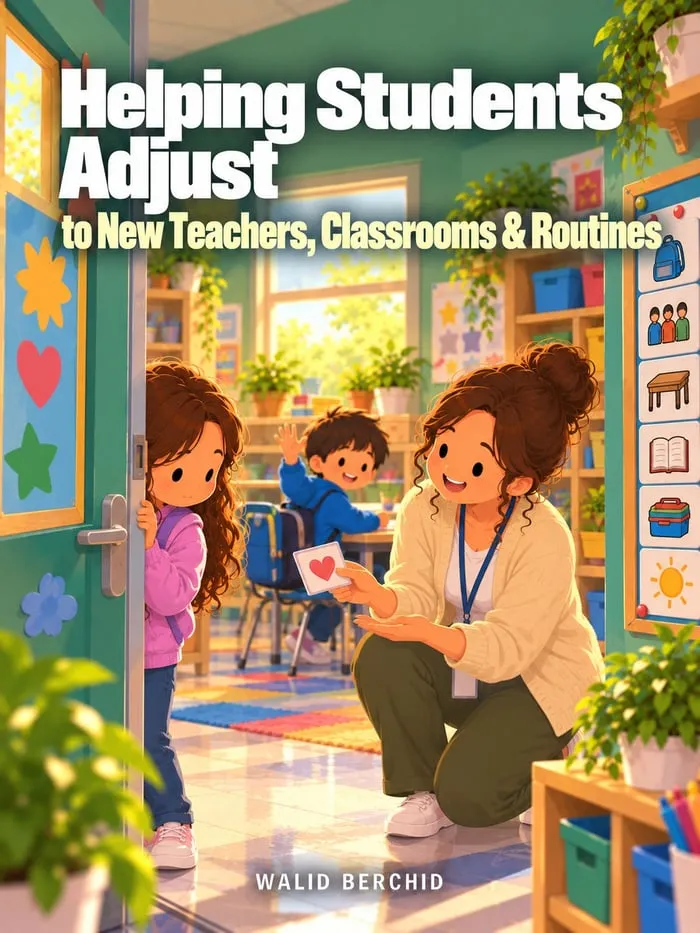
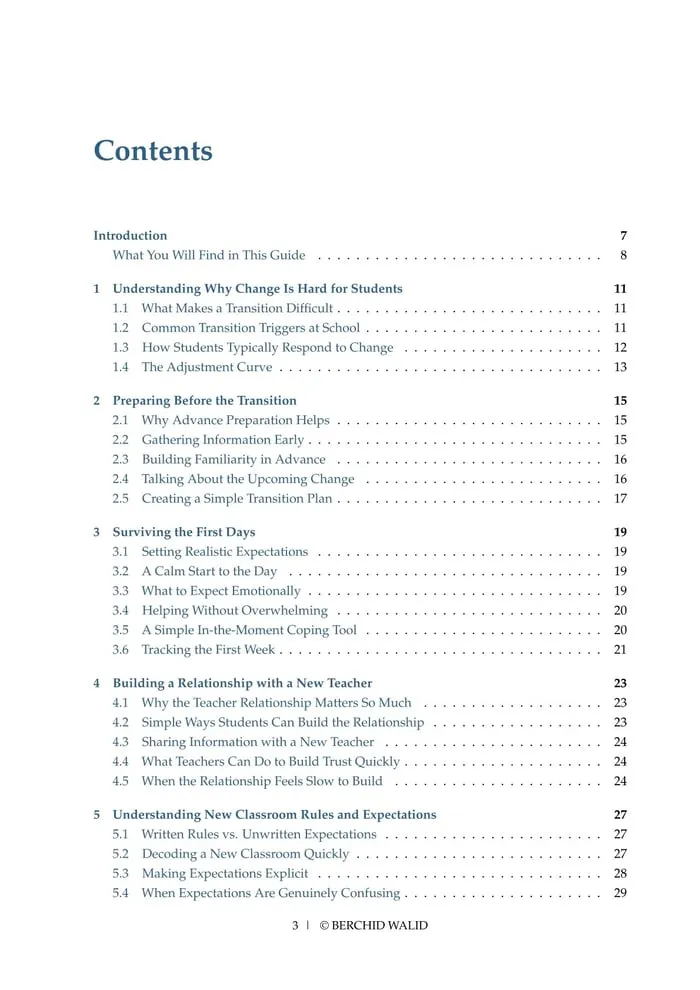
Helping Students Adjust to New Teachers, Classrooms & Routines | Transition Guide: A 99-page guide with checklists and planning pages for every kind of school change, from a new teacher to a new school, for students, parents and educators.
Related reading: See [Understanding Demand Avoidance and School Refusal](https://fromteachers.com/demand-avoidance-school-refusal/) and [Managing Sensory Overload: Practical Strategies for Autism and ADHD](https://fromteachers.com/managing-sensory-overload-autism-adhd/).
Also on FromTeachers:
Key Takeaways
- School transitions for kids go smoother with early preparation and previews.
- Teach new rules and routines directly with visual supports.
- Keep home routines steady while school routines change.
- Reflect after each change to build resilience for the next one.









Leave a Comment