

Supportive language is one of the quickest tools adults have for calming a hard moment instead of making it bigger. Picture a second grader crying under a table after a change in the schedule. An adult says, “Calm down, you’re fine.” The crying gets louder. The words were meant to help, but they told the child that his feelings were wrong.
This guide gives you five steps to use supportive language with students: notice the phrases that shut students down, validate feelings first, co-regulate instead of commanding, offer real choices, and practice as a team. By the end, you will have simple swaps you can try tomorrow.
Examples are fictional. Adapt to the student’s goals and agreed supports. This is guidance, not a diagnosis.
At a glance
- Some common phrases accidentally tell students their feelings are wrong.
- Naming the feeling first often lowers the intensity.
- Calm adults help students calm down, so model the regulation you want.
- Two good choices work better than one command in many moments.
- Supportive language grows with practice, tracking, and team agreement.
1. Notice the phrases that shut students down
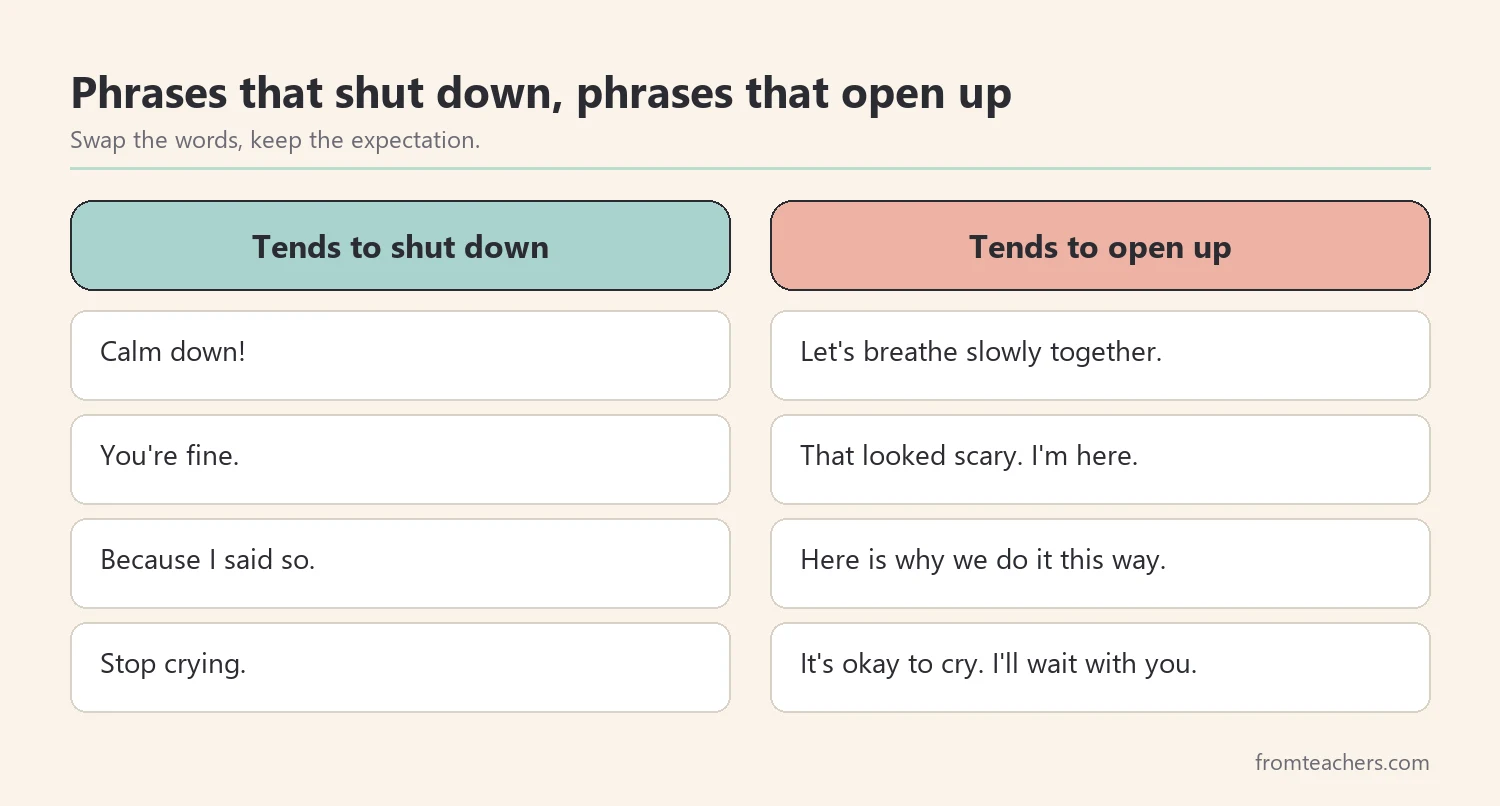
First, listen to yourself. Every adult has automatic phrases, often ones we heard as children. “Calm down.” “Stop crying.” “You’re fine.” “Because I said so.” “Use your words.” These are usually said with good intentions, but in hard moments they can make students feel unheard.
For example, “Calm down” asks a student to do something they cannot do yet. “You’re fine” tells them their fear is not real. “Why can’t you be like the other kids?” adds shame. Instead of calming the situation, these phrases often raise the intensity.
Next, keep a short list. For one week, write down the phrases you hear yourself use when a student is upset. You do not need to judge them. Just notice them. Most adults are surprised how often the same four or five phrases appear.
Watch your tone, not just your words
Meanwhile, notice your tone as well as your words. The same sentence can sound kind or sharp depending on volume and speed. Recording a short note about tone next to each phrase on your list helps you see the full picture.
Also, remember the goal. Supportive language does not mean removing expectations. It means changing the words so the student can actually hear the expectation. The rule stays. The delivery changes.
In addition, think about students in special education. Students with communication differences, sensory needs, anxiety, or trauma histories may be especially sensitive to tone and words. For these students, supportive language can make the difference between a short wobble and a long meltdown.
Worked example. Mr. Chen teaches a fictional grade 2 class. His student Sam often becomes upset when plans change. Over one week, Mr. Chen notices he says “Calm down” and “You’re okay” almost every time. He picks these two phrases to replace first.
2. Validate first with supportive language
Next, name what the student might be feeling. Validation means showing that you see the feeling, even if you do not agree with the behavior. A short sentence like “That felt really frustrating” can lower the temperature quickly.
For example, instead of “You’re fine,” try “That looked scary. I’m here with you.” Instead of “Stop crying,” try “It’s okay to cry. I’ll wait with you.” These swaps do not reward behavior. They tell the student that their feelings are allowed and that an adult is safe to come to.
Then, keep it short. In a hard moment, the thinking part of the brain is less available. Long explanations get lost. One validating sentence, said calmly, is usually enough to start.
Also, be careful not to guess too confidently. Say “You look frustrated” or “That might feel unfair,” rather than “You’re angry.” Gentle guesses invite the student to agree or correct you.
In addition, validation is not agreement. You can say “You really wanted more time on the computer” and still keep the limit. Supportive language holds the boundary while respecting the feeling.
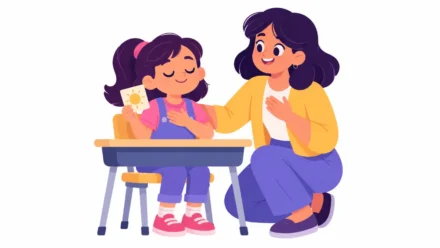
Worked example. When the assembly is canceled, Sam starts shouting. Mr. Chen kneels nearby and says, “You were really looking forward to that. It’s disappointing.” Sam’s shouting slows. He says, “I wanted to see the music.” Mr. Chen nods and waits.
3. Co-regulate instead of commanding
Next, lend your calm. Many students cannot calm themselves on command, especially young students or students with regulation challenges. Co-regulation means an adult stays calm and steady so the student can borrow that calm.
First, respond in a clear order. Pause and notice. Name the feeling. Offer support. Only then, when the student is calmer, solve the problem together. Jumping straight to problem-solving or consequences usually does not work while the student is still upset.
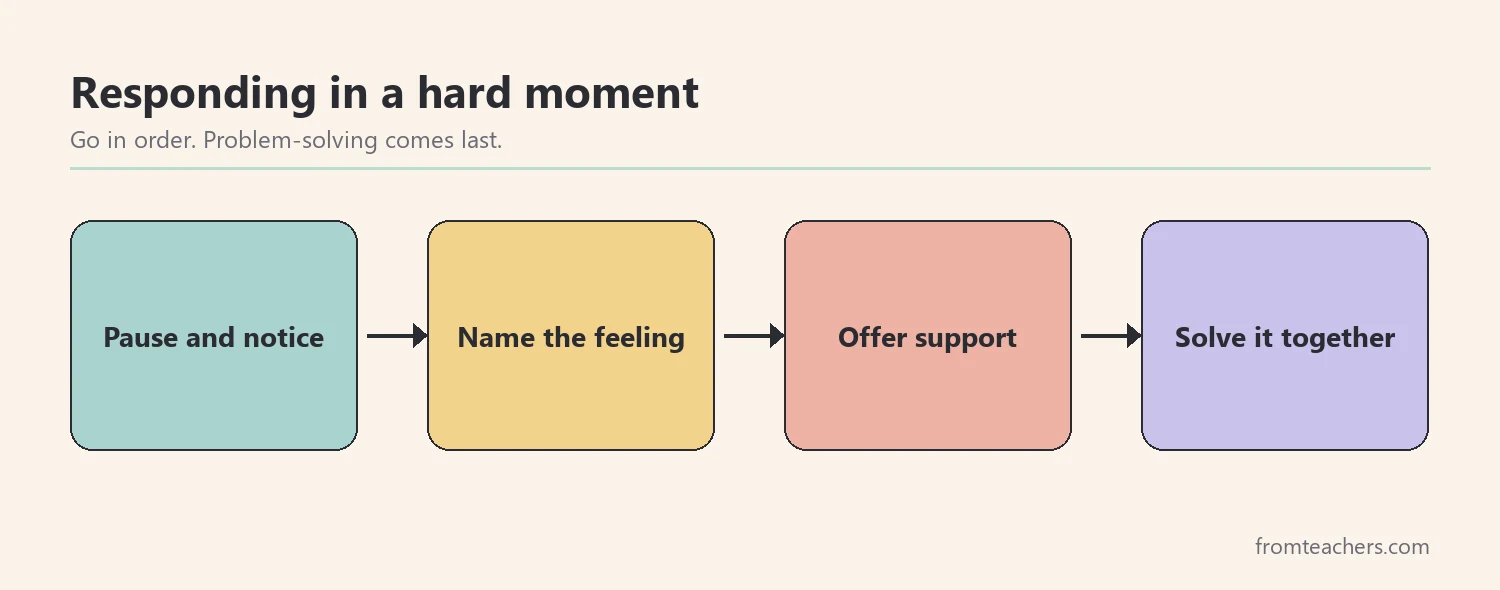
Then, replace commands with invitations. “Calm down!” becomes “Let’s take some slow breaths together.” “Sit down!” becomes “Come sit with me for a minute.” These phrases invite the student into a calming action with you, rather than demanding it alone.
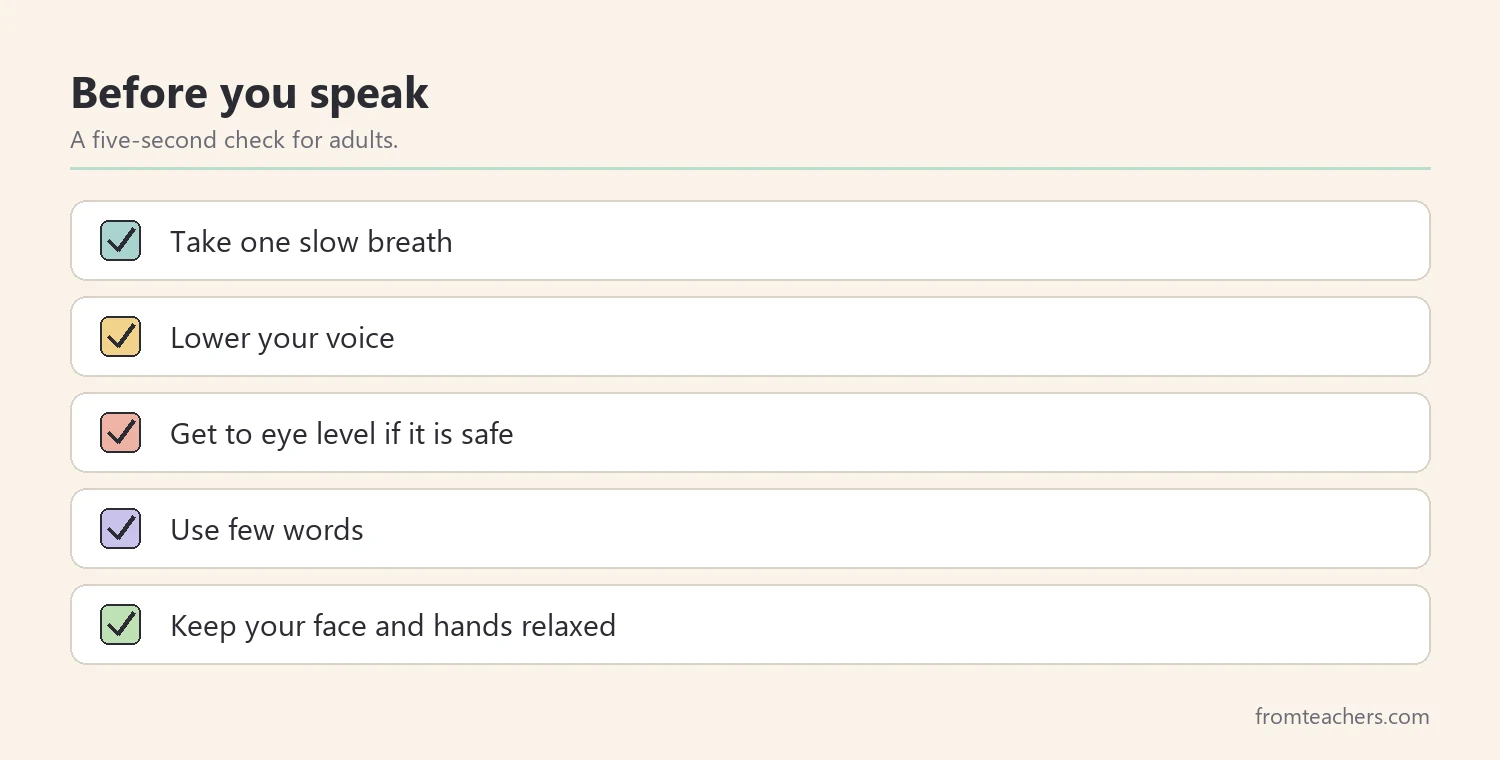
Also, check your body before your words. Your voice, face, and posture send a message before you speak. A quick check helps: one slow breath, a lower voice, eye level if it is safe, few words, and relaxed hands.
For a ready reference, the Stop Saying, Say This Instead supportive language chart pairs common phrases that tend to shut students down with calmer, validating alternatives, and explains why each swap works. Many teachers keep it near the desk or in a sub folder.
Worked example. When Sam throws his pencil box, Mr. Chen takes a slow breath and lowers his voice. He says, “Let’s breathe together,” and breathes slowly beside him. After a minute, Sam’s shoulders drop. Only then does Mr. Chen say, “Let’s pick up the pencils together.”
4. Offer choices with supportive language
Next, give the student some control. Hard moments often involve a feeling of having no control. Offering two good choices gives some of that control back, while you still decide what the choices are.
For example, instead of “Do it now,” try “Do you want to start with problem 1 or problem 2?” Instead of “Get in line!” try “Do you want to walk with me or with your buddy?” Both options lead to the same outcome, but the student gets to choose how.
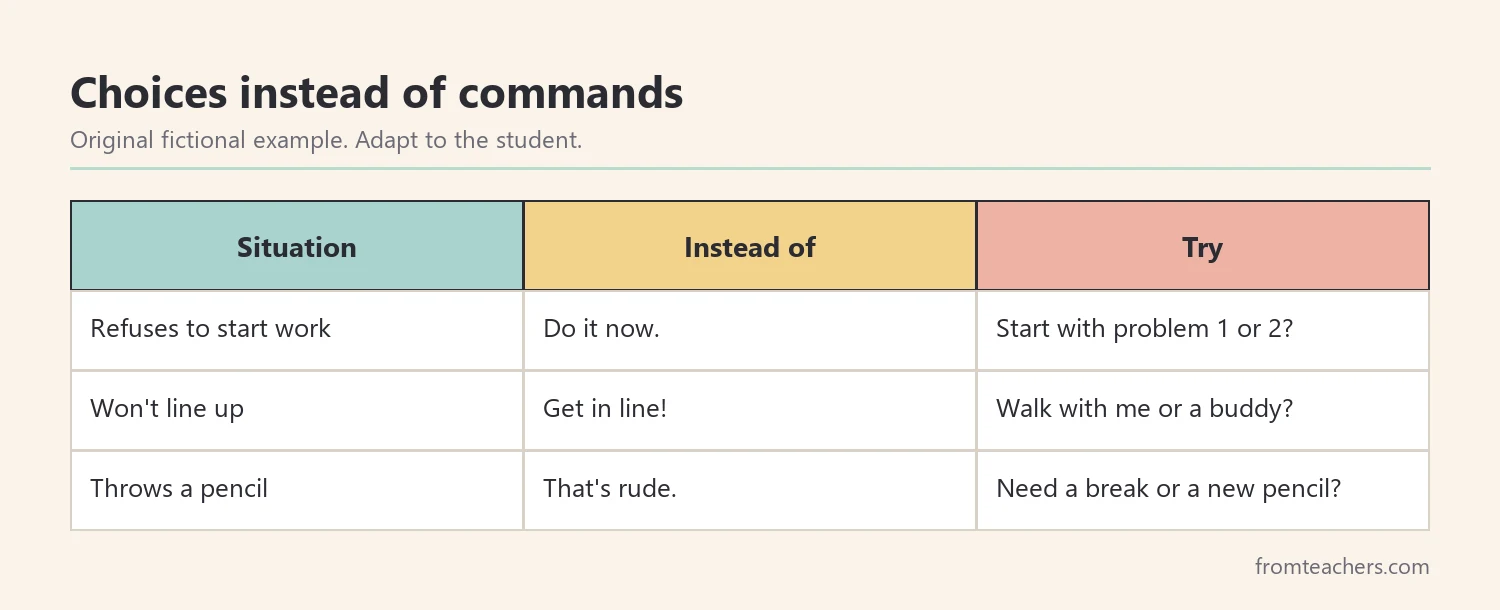
Then, keep choices simple. Two options are usually enough. Too many choices can overwhelm a student who is already upset. Make sure you are happy with either answer.
Also, explain the reason when it helps. “Because I said so” ends the conversation. “Let me tell you why we do it this way” opens it. When students understand the reason behind a rule, they are often more willing to follow it.
In addition, offer help, not just choices. “What do you need right now? How can I help?” invites the student to tell you. Some students will not know, and that is okay. Your offer still shows that you are on their side.
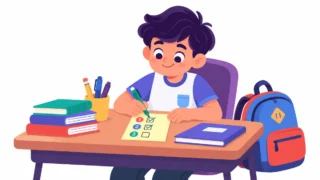
Worked example. Sam refuses to start his math page. Instead of repeating the direction, Mr. Chen asks, “Do you want to start at the top or with the picture problem?” Sam points to the picture problem. Supportive language turned a standoff into a start.
5. Practice supportive language as a team
Finally, build the habit. New words do not come naturally in stressful moments at first. They need practice. Choose two or three swaps to focus on, and practice them out loud during calm times so they are ready when you need them.
Next, agree as a team. When teachers, paraprofessionals, and specialists all use the same supportive language, students hear a consistent message. Share your swaps in a short team meeting and post them where adults can see them.
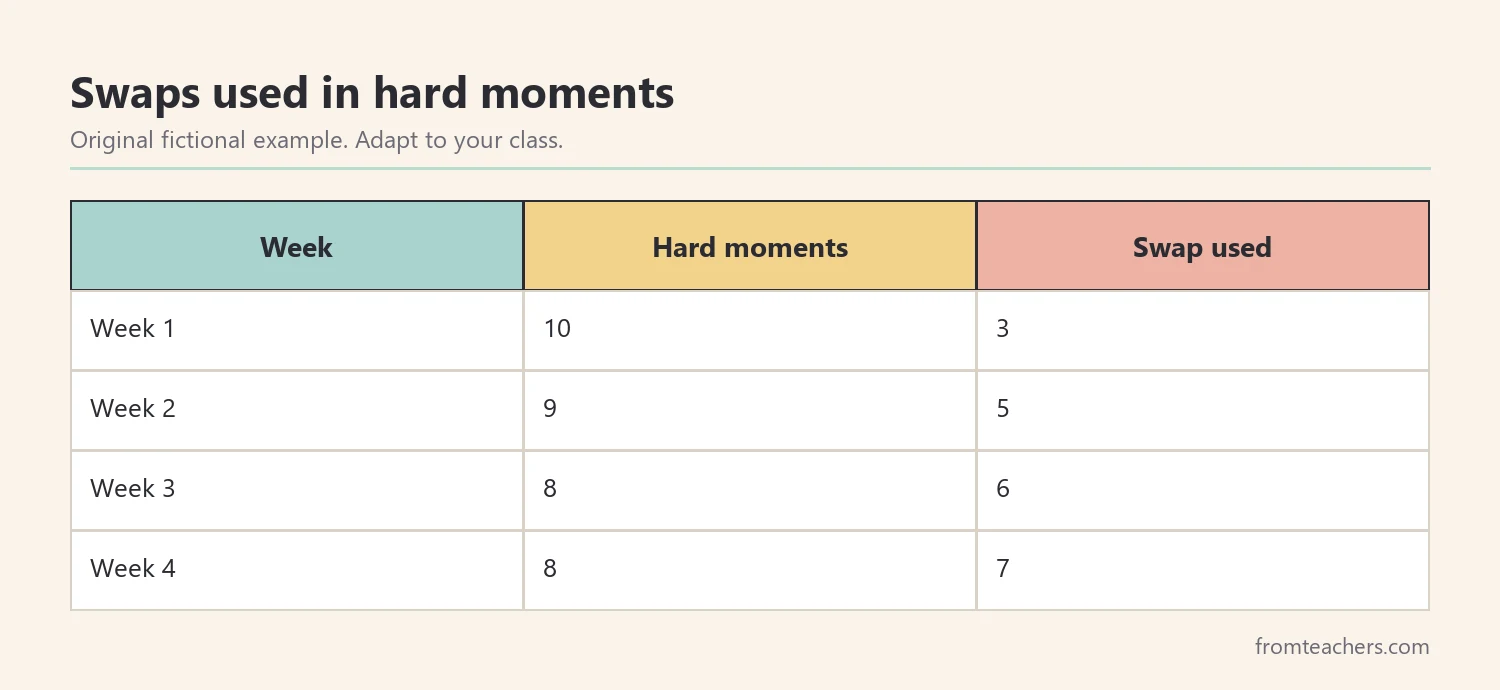
Also, track your own progress. For a few weeks, note how many hard moments happened and how often you used a swap. This is not about perfection. It is about noticing growth in your own habits.
In addition, repair when you slip. Every adult will sometimes say “Calm down!” in a stressful moment. When it happens, go back later and say, “Earlier I spoke too fast. I’m sorry. Let’s try again.” Repair models the same skills you want students to learn.
Practice with students in calm moments
Meanwhile, use calm moments to practice with students too. Teach phrases like “I need a break” or “Can you help me?” during morning meeting, so students have words ready when feelings run high. When adults and students share the same short phrases, hard moments become easier for everyone to navigate.
Then, share with families. Many parents want new words for hard moments at home. A short list of swaps, or a copy of the chart you use, helps families respond in a similar way.
Worked example. Mr. Chen tracks his own responses. In week 1, Sam had 10 hard moments and Mr. Chen used a swap 3 times. In week 2, 9 moments and 5 swaps. Week 3 brings 8 moments and 6 swaps. In week 4, 8 moments and 7 swaps. He shares the swaps with the paraprofessional so they respond the same way.
Why words matter so much
Students often remember how adults made them feel more than what adults said. When students hear calm, respectful words in hard moments, they learn that their feelings are manageable and that adults can be trusted.
Also, students borrow our language. Over time, many students start using the same phrases with themselves and with peers: “It’s okay, let’s breathe.” Supportive language spreads through a classroom when adults model it consistently.
In addition, supportive language protects relationships. A student who feels respected during a meltdown is more likely to come back to the adult afterward, talk about what happened, and try again. That trust makes every future hard moment a little easier.
Using supportive language with older students
Older students need the same respect, delivered in a slightly different way. Keep your tone calm and your words few, and avoid anything that sounds like a lecture in front of peers. A quiet “This looks hard. Want a minute?” works better than a long talk.
Also, give teens more ownership. Ask them which words help when they are upset, and which words make things worse. Many older students can tell you clearly, and using their own preferred words shows deep respect.
Common mistakes and how to avoid them
- Saying “calm down.” It asks for something the student cannot do yet. Fix: breathe together instead.
- Dismissing the feeling. “You’re fine” can feel untrue. Fix: name the feeling gently.
- Talking too much. Long explanations get lost. Fix: use one short sentence and wait.
- Problem-solving too early. The student is not ready. Fix: connect first, then solve together.
- Offering too many choices. It overwhelms. Fix: give two clear options.
- Expecting perfection. Everyone slips. Fix: repair and try again.
Questions teachers and parents ask about supportive language
Does supportive language mean no consequences?
No. Supportive language changes how adults speak, not whether limits exist. You can keep rules and follow the student’s plan while using calm, respectful words.
What if the student does not respond to validation?
Sometimes a student needs more time or space. Stay calm, keep words few, and follow the student’s support plan. Validation often works over many moments, not just one.
Is it okay to say “use your words”?
For some students, especially those with communication differences, words may be hard in a stressful moment. Try “Do you want to show me or tell me?” so the student has more than one way to communicate.
How can I remember the swaps in a stressful moment?
Practice them out loud during calm times, choose only two or three to start, and keep a visual reminder nearby. With practice, the new phrases become automatic.
Can parents use the same phrases at home?
Yes. Using the same supportive language at home and school gives students a consistent experience. Share your favorite swaps with families.
Related reading: Meltdowns vs Tantrums: A Guide to Understanding and Responding, Moving Beyond Shame and Behavior Charts: Positive Alternatives for Effective Classroom Management, and Essential Trauma-Informed Teaching Strategies for Modern Classrooms.
A companion resource for supportive language:
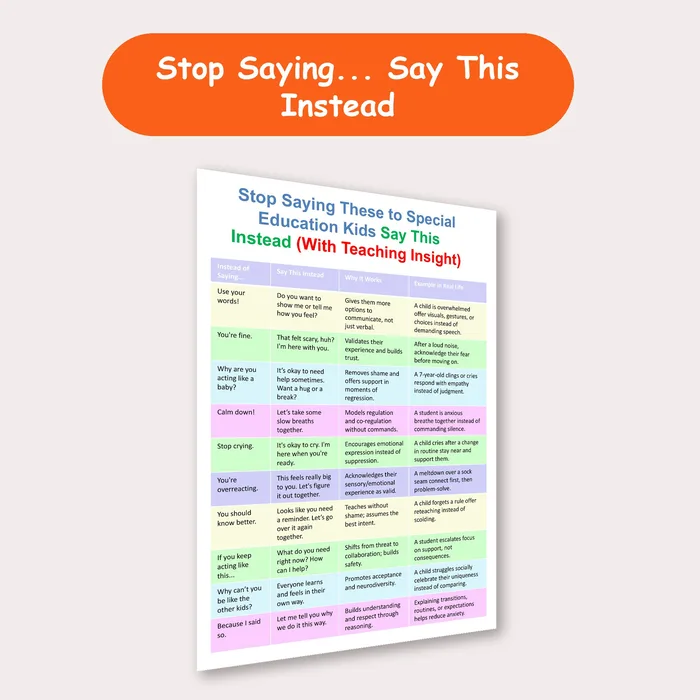
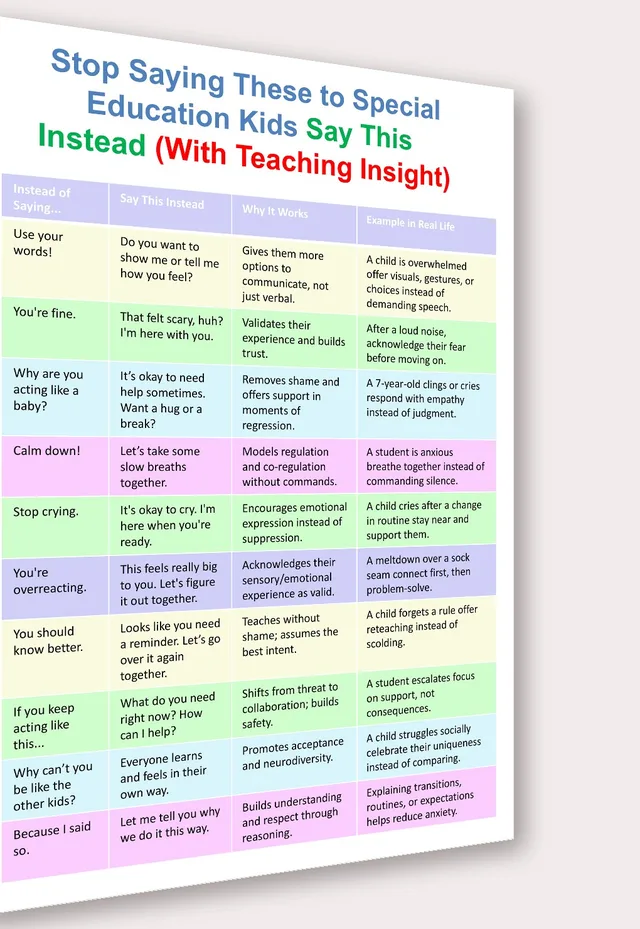
Stop Saying, Say This Instead: Supportive Language Swaps for Special Education: a one-page chart that pairs common phrases that tend to shut students down with calmer, validating alternatives, and explains why each swap works.
Sources and scope
- CASEL: a leading organization for social and emotional learning frameworks and resources.
- IRIS Center, Vanderbilt University: free modules on classroom behavior and supportive environments.
- Center on PBIS: resources on positive behavioral interventions and supports in schools.
- Understood.org: family-friendly information on emotions, behavior, and learning differences.
This guide covers everyday word choices for adults responding to upset students. It does not replace a student’s behavior plan, crisis procedures, or mental health services.
Key takeaways
- Notice the automatic phrases that shut students down.
- Validate the feeling first, in one short sentence.
- Co-regulate: lend your calm before solving problems.
- Offer two good choices instead of a single command.
- Practice supportive language as a team and repair when you slip.



Leave a Comment