

Word problem key words can help students solve math stories, but only when students treat them as clues to meaning instead of commands. Picture a fourth grader who circles “left” in a problem, subtracts right away, and gets the wrong answer, because the story was really asking how many there were at the start. The list on the wall told her one thing, and the story told her another.
This guide walks you through five practical steps. By the end, you will be able to explain what word problem key words can and cannot tell a student, teach students to picture the action in a story, sort vocabulary by meaning, coach a short self-talk routine, and track progress so you know when the habit is sticking.
Examples are fictional. Adapt to the student’s goals and agreed supports. This is guidance, not a diagnosis.
At a glance
- Word problem key words are hints about the action in a story, not rules that pick the operation.
- Students should picture what is happening before they choose to add, subtract, multiply, or divide.
- Sort math vocabulary by the action it describes, such as joining, separating, or comparing.
- A short self-talk routine gives students a repeatable way to start and check their work.
- Track whether students choose the right operation, not only whether the final answer is right.
1. Define what word problem key words can and cannot do
First, be honest with students about what a key word list is. Word problem key words are words that often appear with a certain kind of action. For example, “in all” often appears when groups are put together. However, “often” is not “always,” and that difference is where many errors begin.
Consider this short problem: “Sam has 4 more apples than Mia. Sam has 10 apples. How many apples does Mia have?” The word “more” seems to say add. Yet the answer is 10 minus 4, which is 6. A student who trusts the list without reading the story will write 14.
Similarly, “left” can describe what remains after something is taken away, or it can appear in a problem where the unknown is the starting amount. For instance: “After Ana ate 5 cookies, there were 8 cookies left. How many cookies were there at first?” Here the answer is 8 plus 5, which is 13.
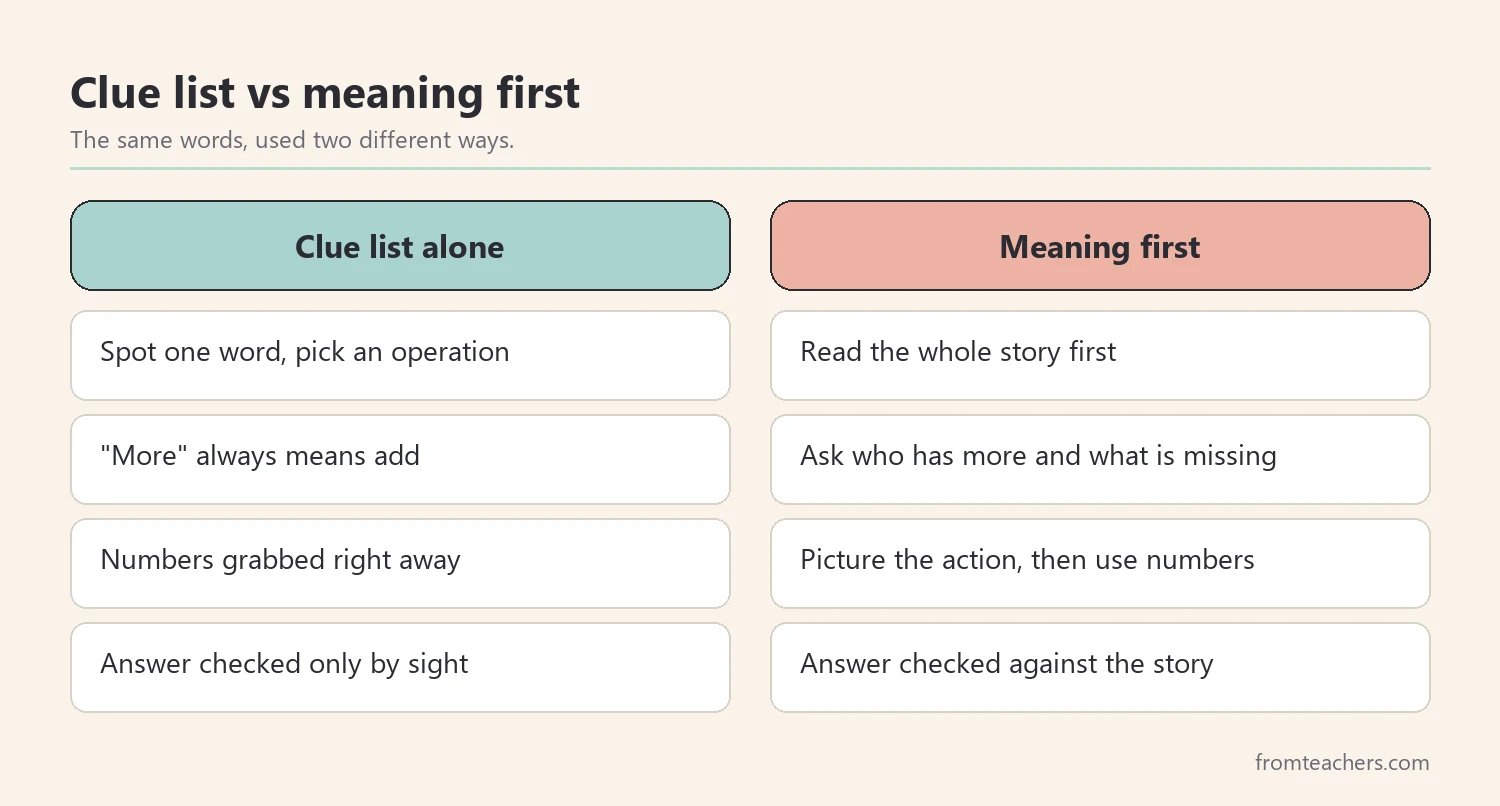
Therefore, the goal is not to throw word problem key words away. Instead, the goal is to change how students use them. A key word should make a student ask, “What is happening in this story?” rather than, “Which button do I press?”
Worked example. Nadia is a fictional fourth grader. On a quick check of 10 mixed word problems, she chooses the correct operation on 4 of them. Her teacher notices that every error comes from grabbing a single word, such as “more” or “left,” without reading the whole story.
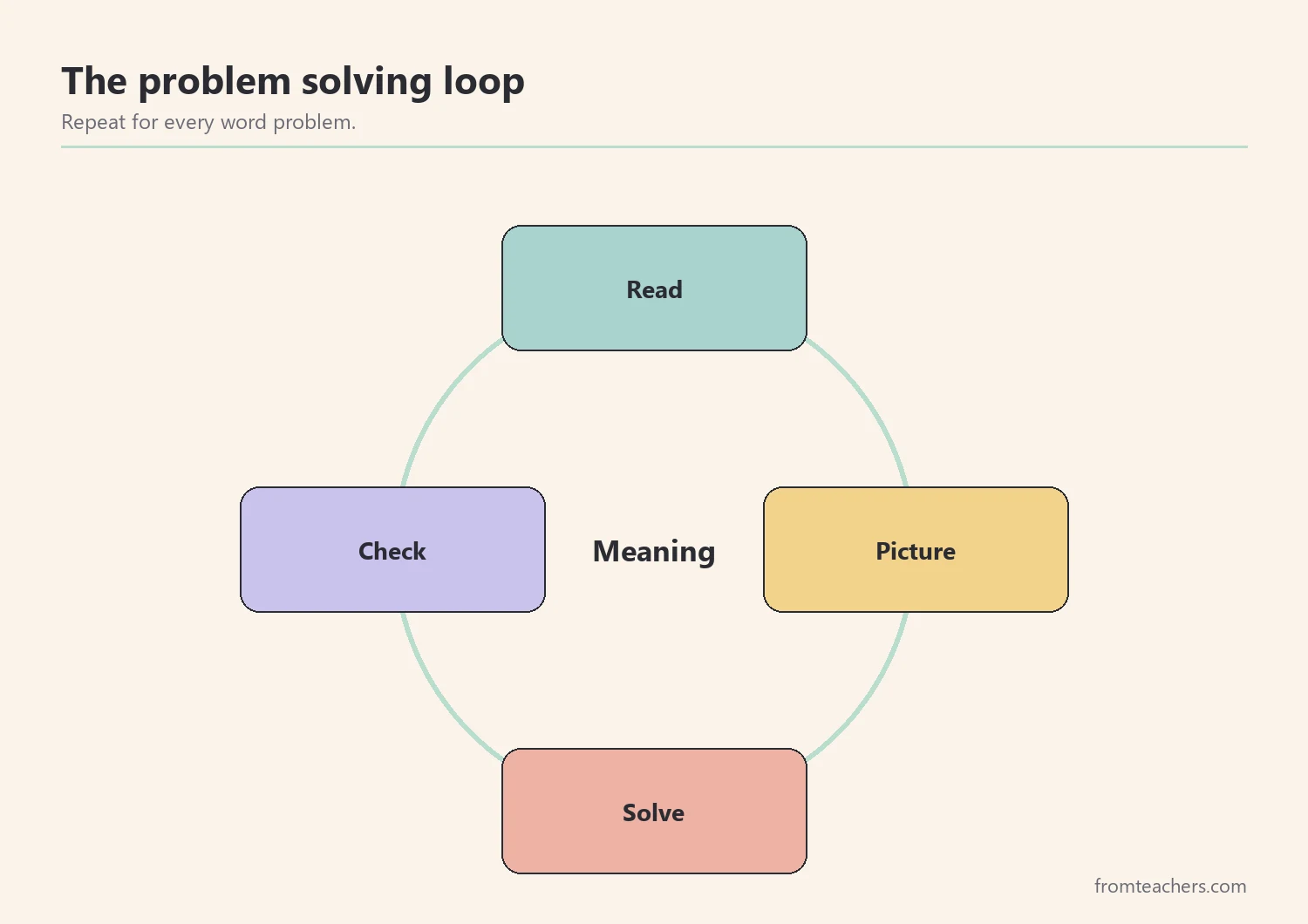
2. Teach students to picture the action first
Next, shift attention from single words to the action in the story. Most early word problems describe a small set of actions: putting groups together, taking some away, comparing two amounts, or working with equal groups. When students can name the action, the operation usually follows.
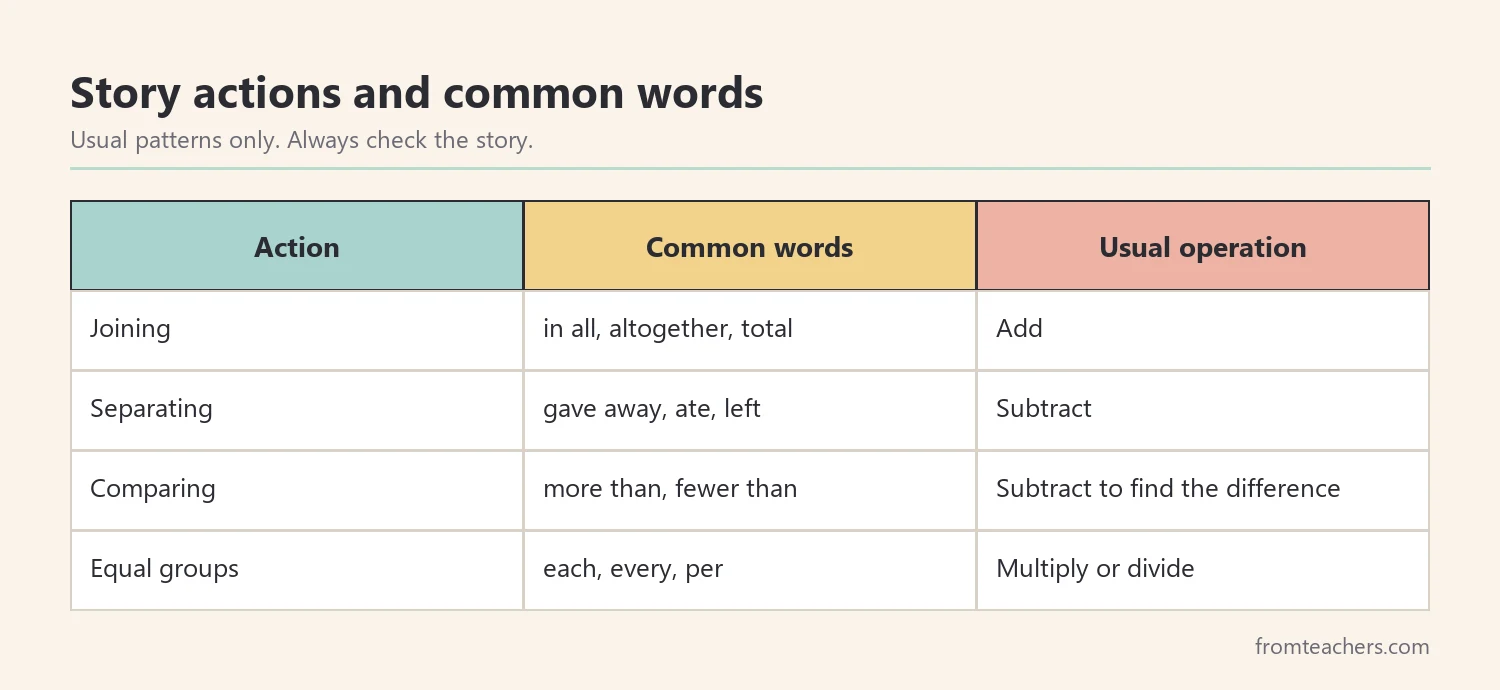
Then, give students simple ways to picture the action before they look for word problem key words. For instance, they can act it out with counters, draw a quick sketch, or use a bar model. A bar model is especially useful for comparison problems, because it shows which amount is larger and what the difference is.
Also, read the problem aloud once without numbers. “Sam has some more apples than Mia. How many does Mia have?” Without numbers, students stop hunting for digits and start listening to the story. As a result, they notice who has more and what the question really asks.
Quick picture checklist
- Who or what is in the story?
- What happens: joining, separating, comparing, or equal groups?
- What do I know, and what is missing?
- Can I draw it in under a minute?
For equal groups, the picture changes. Students draw circles for groups and dots inside each circle. For example: “There are 4 tables. Each table has 6 students. How many students are there?” Four circles with six dots each make 24. Here the word “each” fits the picture, so the key word and the action agree.
However, students will meet problems where the same words appear in a division story: “24 students sit at 4 tables equally. How many students sit at each table?” The word “each” is still there. The difference is what is missing. In the first story, the total is unknown. In the second, the size of each group is unknown. Only the picture makes that clear.
Worked example. Nadia reads the Sam and Mia problem aloud without numbers. She draws two bars and labels Sam’s bar as longer. She says, “Mia has less, so I take away the extra.” She subtracts 4 from 10 and gets 6.
3. Sort word problem key words by meaning
Once students picture actions, revisit the vocabulary. Instead of a two-column list that says “add words” and “subtract words,” build an anchor chart organized by action. Under “Comparing,” for example, place “more than,” “fewer than,” and “how many more.” This way, word problem key words point to a situation, and the situation points to the operation.
| Action | Example words | Question to ask |
|---|---|---|
| Joining | in all, altogether, total | Are groups being put together? |
| Separating | left, gave away, ate | Is something being taken away? |
| Comparing | more than, fewer than | Which amount is bigger, and by how much? |
| Equal groups | each, every, per | Are there groups of the same size? |
In addition, include “trap” examples on the chart. Show one problem where “left” means subtract and one where it does not. Students learn more from a clear contrast than from a long list of rules.
A sorting activity works well here. Give pairs a set of short problems with familiar word problem key words on cards and ask them to sort by action, not by operation. Afterward, discuss any card that two groups placed differently. Those conversations are where real understanding grows.
For a ready-made set, a word problem strategies self-talk toolkit includes a table on understanding key words in word problems, along with tables on identifying the operation and removing extra information.
Worked example. Nadia’s group sorts 12 cards. They place a “left” card under Separating, then move it to Joining after reading it again. Nadia explains, “The 8 is what is left. We need the start, so we put the 5 back.”
4. Coach a self-talk routine for word problem key words
Then, give students a routine they can say to themselves. Many students freeze because they do not know how to start. A short, repeatable script turns “I don’t know what to do” into a clear first move.
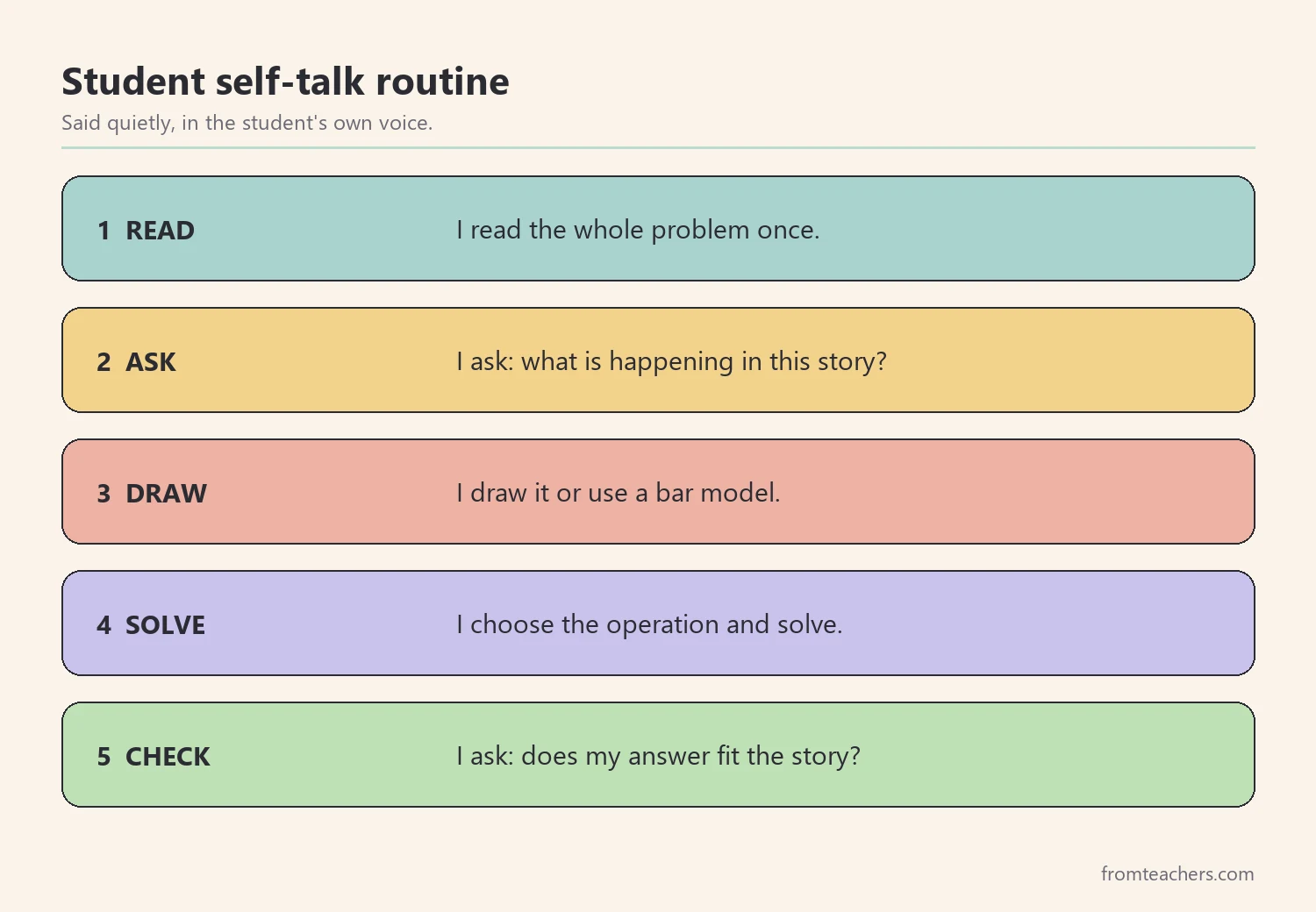
Model the routine aloud first. Think out loud as you read, notice word problem key words, picture the action, and decide. Next, do a problem together, with students saying each step. Finally, let students use the routine on their own while you listen in.
Also, teach students to cross out information they do not need. Some problems include extra numbers on purpose. For instance: “Leo has 12 marbles and 3 pencils. He gives away 5 marbles. How many marbles does he have now?” The pencils do not matter, so the answer is 12 minus 5, which is 7.
Furthermore, keep the language in the student’s voice. “I read the whole problem. I ask what is happening. I draw it.” Sentences like these feel like the student’s own thinking, which makes them easier to use during a test or homework.
Worked example. Nadia keeps a small card with the five steps on her desk. On the Leo problem, she says, “Pencils are extra,” and draws a line through them. Then she pictures marbles being given away and subtracts.
5. Record and review progress with word problem key words
Finally, track progress in a way that shows thinking, not only answers. A student can choose the right operation and still make a small calculation error. Likewise, a student can guess the right answer for the wrong reason. Recording the operation choice separately tells you which skill needs work.
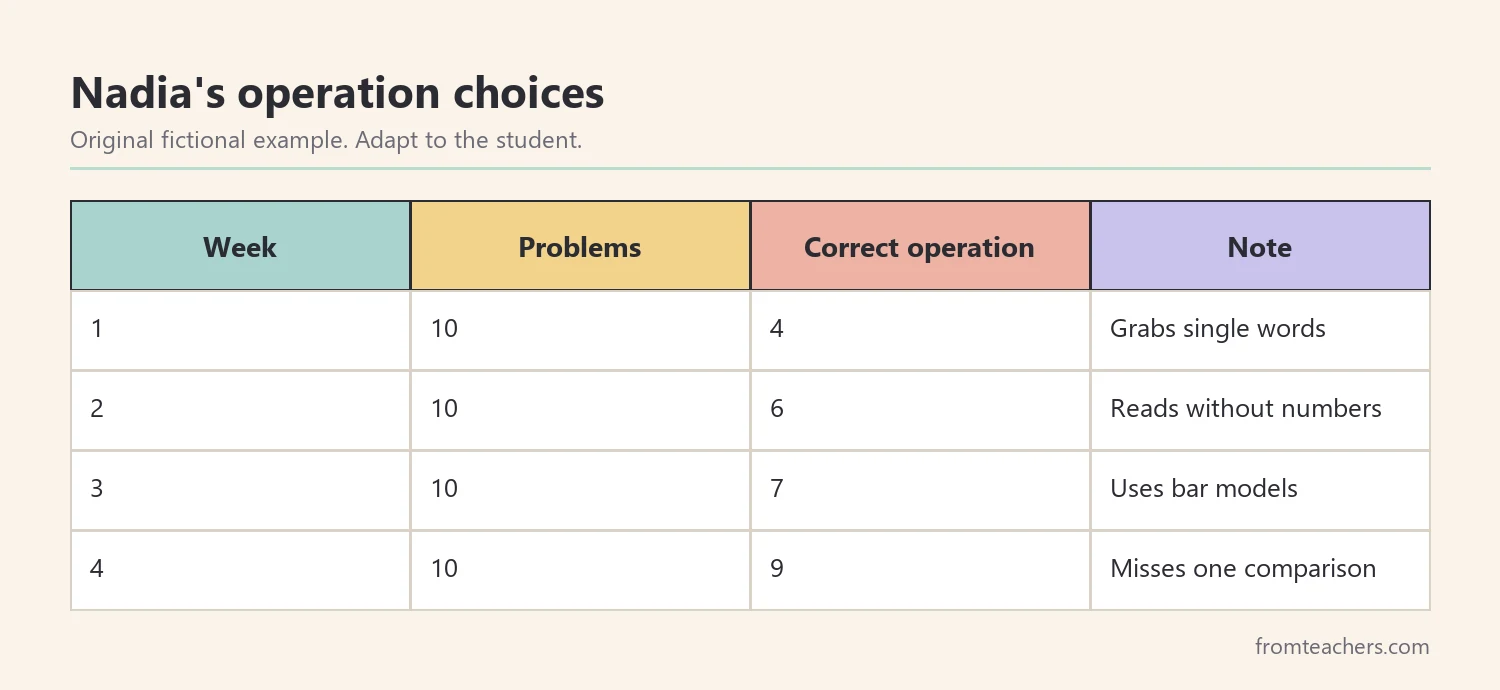
Use a short set of mixed problems each week, such as 10 items. Include at least two problems where word problem key words could mislead. Then, note the number of correct operation choices and one observation, such as “skipped drawing” or “used the bar model.”
What to look for in the record
- Errors that cluster on one action, such as comparing, point to a concept to reteach.
- Errors on problems with misleading word problem key words show the student is still grabbing single words.
- Correct operations with wrong answers point to calculation practice, not reading.
- Skipped drawings often appear right before a wrong choice.
In addition, share the pattern with families. A short note such as “Nadia is working on comparison problems, so please ask her to draw two bars at home” gives parents one clear, useful job. Consistent language between school and home helps the routine become automatic.
After that, review the record together with the student. Ask, “Which problems felt tricky? What did you do to figure them out?” This reflection helps students notice their own progress and the strategies that work for them.
Worked example. Over four weeks, Nadia’s correct operation choices on 10 problems rise from 4 to 6, then 7, then 9. In week 4, she still misses one comparison problem, so her teacher plans two more bar model lessons on “fewer than.”
Common mistakes and how to avoid them
- Teaching a word-to-operation list as rules. Fix: organize word problem key words by action and include trap examples.
- Rushing to the numbers. Fix: read the problem once without numbers and ask what is happening.
- Skipping the drawing step. Fix: require a quick sketch or bar model on comparison problems.
- Ignoring extra information. Fix: teach students to cross out details the question does not need.
- Grading only the final answer. Fix: record the operation choice separately so you see the thinking.
Questions teachers and parents ask about word problem key words
Should I stop teaching word problem key words?
No. Word problem key words matter, and students need to understand words like “total” and “difference.” The change is in how you teach them: as hints about the story’s action, checked against a picture of what is happening.
What grade is this approach for?
The meaning-first approach works from the early grades through middle school. Younger students act out problems with objects, while older students use bar models and multi-step plans.
How do I help a student who freezes at the start?
Give the student a short self-talk script and model it aloud. Start with problems that have one step and small numbers, so the routine feels successful before the math gets harder.
How can parents help at home?
Ask your child to tell the story of the problem in their own words before solving it. Then ask, “Can you draw it?” Avoid saying “this word means add,” and praise the thinking as much as the answer.
What about multi-step problems?
Break them into smaller questions. Students solve the first part, write what they found, and then read the problem again to decide the next step. Word problem key words still help, but only inside each smaller story.
Related reading: 5 Practical Teaching Tips to Boost Classroom Focus and Learning, Learning Styles Student Success Guide, and Dyslexia Solutions in the Classroom.
A companion resource for teaching word problem strategies:
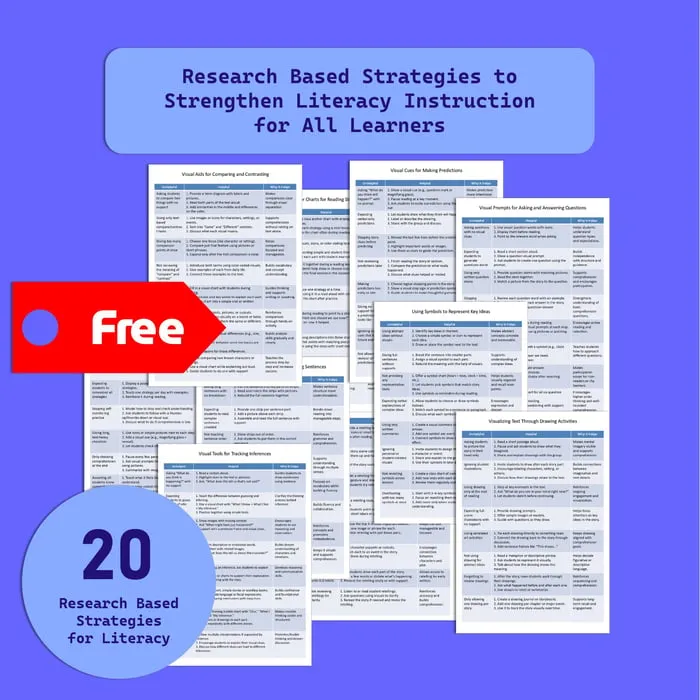
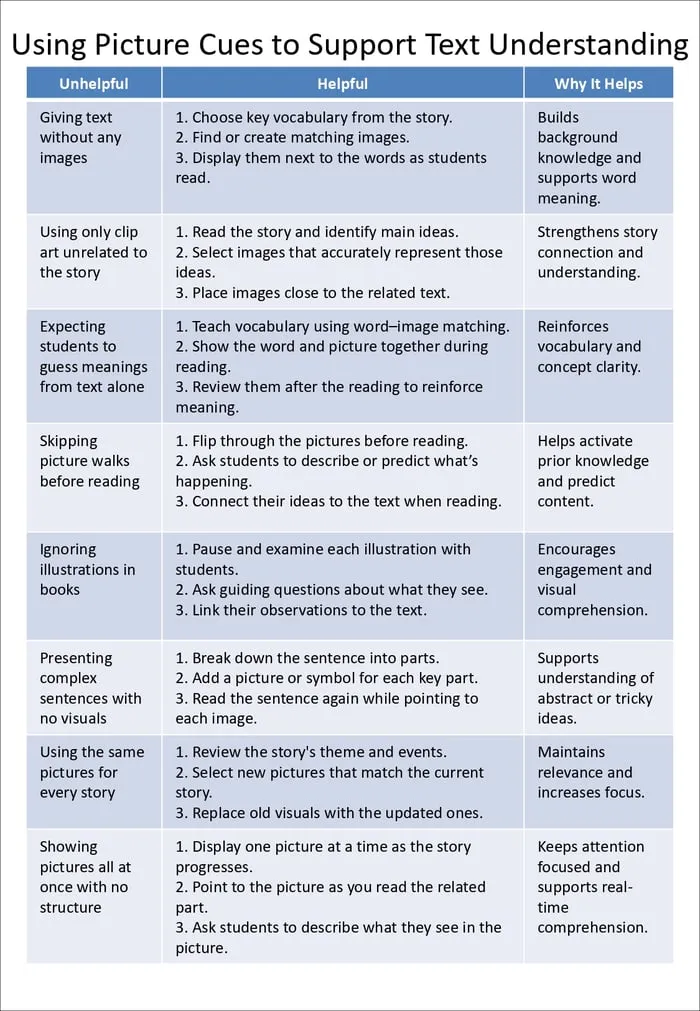
Word Problem Strategies: Student Self-Talk Toolkit: twenty printable strategy tables written in student voice, each pairing an “I struggle with…” statement with numbered solution steps for key words, choosing the operation, extra information, multi-step problems, and checking work.
Sources and scope
- National Council of Teachers of Mathematics: guidance and resources on teaching problem solving and mathematical reasoning.
- What Works Clearinghouse: practice guides that review research on teaching math, including problem solving.
- IRIS Center, Vanderbilt University: free modules on math instruction and supporting students who struggle.
- Common Core State Standards Initiative: grade-level expectations for solving word problems across operations.
This guide covers teaching students to use math vocabulary as clues to meaning in elementary and middle school word problems. It does not replace a formal assessment for a student with a suspected learning disability in math.
Key takeaways
- Word problem key words are hints about the story, not rules for the operation.
- Picture the action first: joining, separating, comparing, or equal groups.
- Sort vocabulary by action and include examples where a word misleads.
- A short self-talk routine helps students start and check every problem.
- Record operation choices separately to see real progress.


Leave a Comment