

A teacher transfer decision can keep you up at night. Should you stay at the school you know, or move to a new building, district, or role? Both choices carry real hope and real risk, so it helps to slow down and think clearly.
This guide offers a calm, structured way to work through the decision. It is written for special education teachers, general educators, paraprofessionals, and related service staff who feel stuck.
Why a Teacher Transfer Decision Feels So Hard
Teaching is personal. You build relationships with students, families, and colleagues. As a result, leaving can feel like letting people down, even when staying is hurting you.
In addition, fear and dissatisfaction can look alike. A bad week can feel like a bad job. Therefore, the goal is to separate temporary stress from lasting problems.
Step 1: Name Your Triggers
Start by writing down the specific moments that make you think about leaving. For example:
- A tense meeting with an administrator
- Caseload increases without extra support
- Conflict with a co-teacher
- A long commute that drains your energy
- Lack of growth or new challenges
Next, note how often each trigger happens. A trigger that appears weekly carries more weight than one that happened once.
Step 2: Notice Your Reactions
For each trigger, write what you think and do afterward. Do you vent, withdraw, or start browsing job listings? These patterns show how much the issue affects you.
However, be honest about avoidance too. Sometimes we want to leave because a hard conversation feels scary. In that case, the conversation might solve more than a move would.
Step 3: Find the Underlying Reason
Ask “why” for each reaction. For example, frustration with paperwork may really be about feeling unsupported. Also, conflict with a colleague may reflect unclear roles rather than personality.
Once you know the real reason, ask whether a transfer would actually fix it. If the same problem exists across your district, moving buildings may not help. A structured trigger-action-reason toolkit for deciding whether to transfer or stay can walk you through this reflection page by page.
Weighing the Pros and Cons of Staying
Staying has hidden strengths. You know the systems, the families, and the students. In addition, long relationships often make the work smoother.
- Pros: stability, seniority, trust with families, known routines
- Cons: unresolved conflicts, limited growth, ongoing stress
Before deciding, try one targeted change. For example, request a schedule adjustment or a meeting with your mentor. If nothing improves, you will feel more confident about leaving.
Making a Teacher Transfer Decision With Confidence
When you are ready, gather facts about the new option. First, visit the school or talk with staff there. Next, ask about caseloads, planning time, and support for special education.
Also, check your contract and district rules on transfer windows and seniority. Finally, set a decision deadline so the question does not drain you for months. Protecting your well-being is part of being a good teacher, and resources like the Understood.org educator pages can support your next steps.
Questions to Ask Before Your Teacher Transfer Decision
Clear questions lead to clearer answers. Therefore, take time to write honest responses to each of these before you commit.
- What exactly would be different in the new role or school?
- Which of my current problems would follow me?
- What would I miss most if I left?
- Have I clearly asked for the support I need here?
- How will this move affect my family, commute, and finances?
In addition, talk with a trusted colleague who knows you well. They may notice patterns you cannot see. However, remember that the final choice is yours.
Leaving Well or Staying Renewed
If you decide to transfer, leave on good terms. For example, organize student files, write helpful notes for your replacement, and thank the people who supported you. Also, say goodbye to students in a way that fits their needs, especially those who struggle with change.
If you decide to stay, treat it as a fresh start. First, name one or two changes you will make. Next, set boundaries that protect your energy. As a result, staying becomes an active choice, not a default.
Either way, a thoughtful teacher transfer decision helps you move forward without regret.
Getting Started This Week
First, block out one quiet hour this week for honest reflection. Next, list your top three triggers and write the reason behind each one. Then, share your notes with one person you trust. In addition, research one concrete alternative, such as an open position or a schedule change. Finally, set a clear date for your decision. Taking action, even small action, reduces the stress of feeling stuck.
Frequently Asked Questions
Is it unprofessional to transfer mid-career?
No. Many educators move to find better fit, growth, or balance. Leaving thoughtfully and on good terms is fully professional.
How do I know if I’m just burned out?
If the stress follows you no matter the setting, burnout may be the main issue. Rest and support should come before big moves.
Should I tell my principal I’m considering a transfer?
That depends on your relationship and district rules. Often, an honest conversation opens doors to changes that let you stay.
Ready-to-use resource:
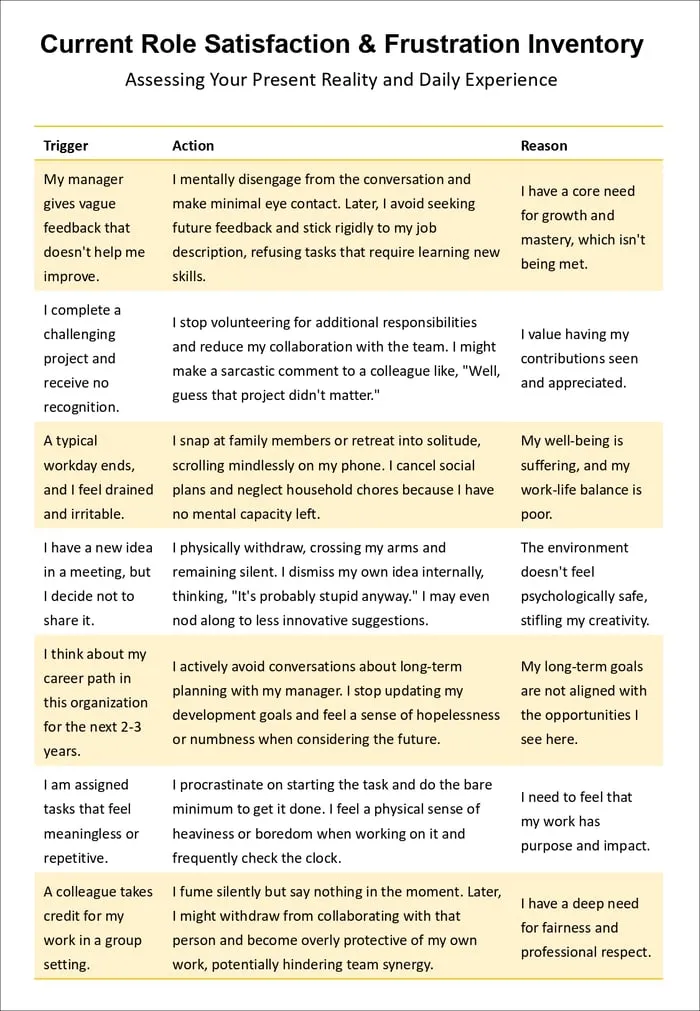
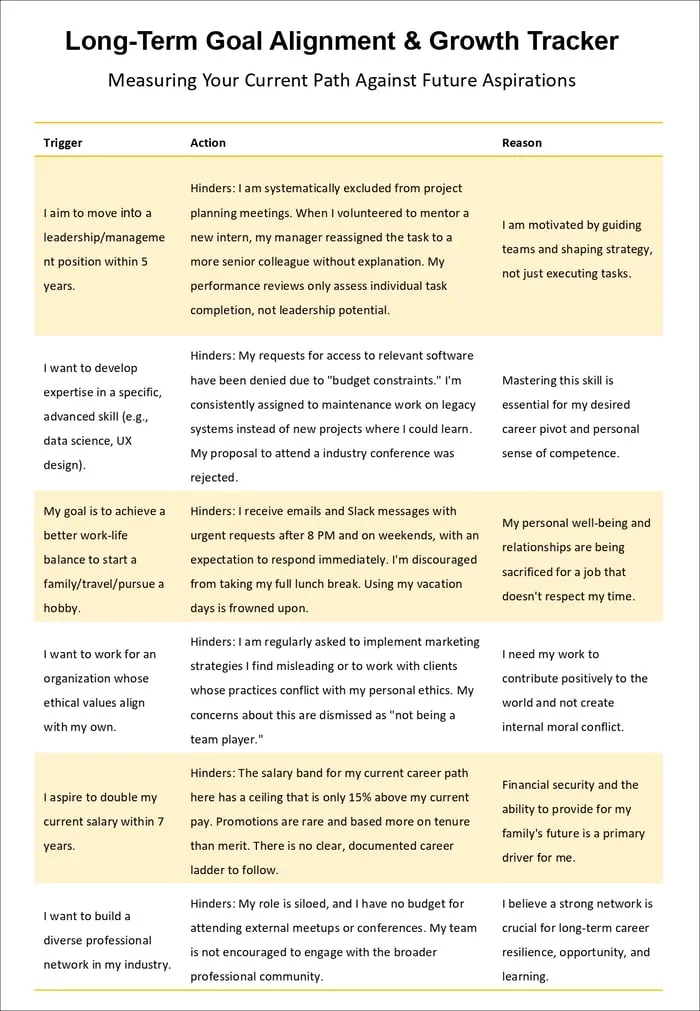
Deciding Whether to Transfer or Stay: A 12-page trigger, action, and reason toolkit that helps educators decide whether to transfer or stay with clarity.
Related reading: a teacher’s guide to reflection and planning and practical strategies for special education challenges.
Also on FromTeachers:
Key Takeaways
- A teacher transfer decision becomes clearer when you name specific triggers.
- Separate temporary stress from lasting problems before you act.
- Ask whether moving would truly solve the underlying reason.
- Gather facts, set a deadline, and protect your well-being.


Leave a Comment