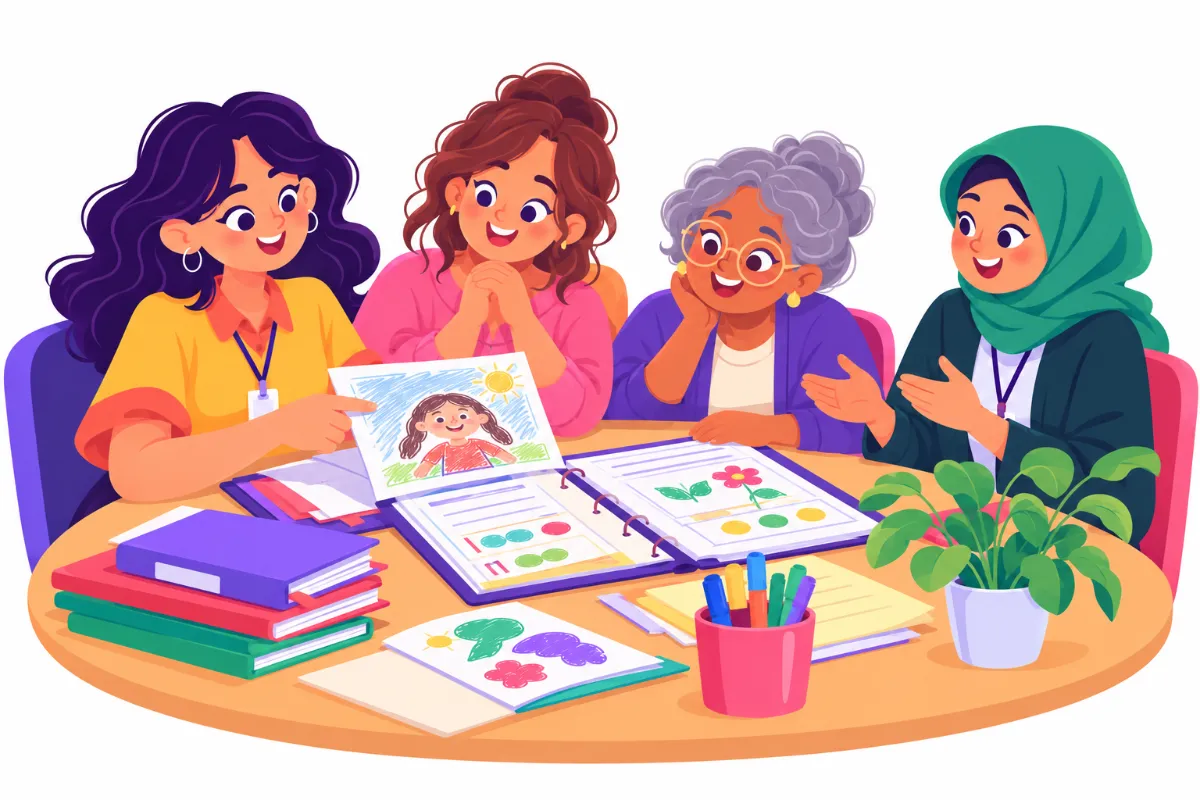

Culturally responsive special education means making decisions that reflect each student’s culture, language, and family context. Without that lens, schools can misread behavior, misjudge skills, or write goals that do not fit the child’s life. These mistakes affect evaluations, IEPs, and discipline.
However, cultural responsiveness is not about knowing every culture. Instead, it is about curiosity, humility, and listening. This guide offers practical steps you can use in assessments, meetings, and daily teaching.
Why Culturally Responsive Special Education Matters
First, culture shapes how students communicate, learn, and behave. Eye contact, personal space, and ways of showing respect vary widely. When teams ignore these differences, they may see a disability where there is none, or miss one that exists.
Also, families bring essential knowledge. They know their child’s strengths, language history, and values. On the other hand, when families feel judged, they may stop sharing.
Finally, federal law requires fair evaluations. The [IDEA regulations](https://sites.ed.gov/idea/) call for assessments that are not racially or culturally discriminatory. Culturally responsive special education helps teams meet that standard in practice.
Culturally Responsive Special Education Assessments
Assessments can carry hidden bias. For example, test items may use vocabulary or experiences unfamiliar to some students. As a result, scores may reflect background rather than ability.
To reduce bias, try these steps:
- Ask about the student’s language history and exposure to English.
- Use assessments in the student’s dominant language when possible.
- Combine test scores with observations and work samples.
- Ask families how skills look at home and in the community.
In addition, involve qualified interpreters, not untrained staff or siblings. Accurate communication protects the whole process.
Writing Culturally Responsive IEP Goals
IEP goals should fit the student’s real life. However, standard templates sometimes reflect only school culture.
Ask About Family Priorities
Some families value independence early, while others value interdependence. Both are valid. So, ask what matters most at home.
Use Meaningful Contexts
Connect goals to the student’s community, language, and routines. For instance, a functional math goal might use foods the family actually buys.
Respect Language
Support home language alongside English. Bilingualism is a strength, not a problem.
Culturally Responsive Special Education for Multilingual Learners
Many students in special education are also learning English. Because of this, teams must separate language learning from disability. That task is difficult, but it is essential.
First, gather a full language history. Ask when the student started hearing each language and where each one is used. Next, compare progress with peers who share a similar background. A student who struggles in both languages may need further evaluation. However, a student who is strong at home may simply need more time with English.
Also, keep home language support in the plan. Families should never be told to stop speaking their language at home. Strong first-language skills often support English growth.
Building Rapport With Families
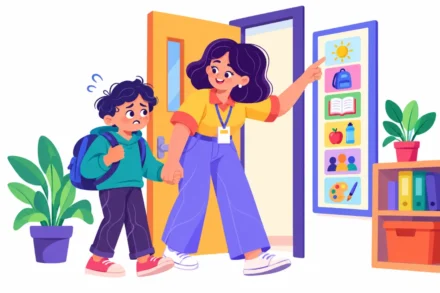
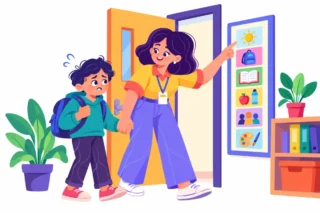
Trust grows when families feel welcomed. Therefore, think about every step of contact.
Offer meetings at flexible times. Provide interpreters and translated documents. Also, explain the special education process in plain language, since systems differ across countries.
Meanwhile, start meetings with strengths. Share something positive about the child before discussing concerns. This simple habit sets a respectful tone.
Culturally Responsive Special Education in Meetings
IEP meetings can feel overwhelming, especially for families new to the system. So, adjust timing and format.
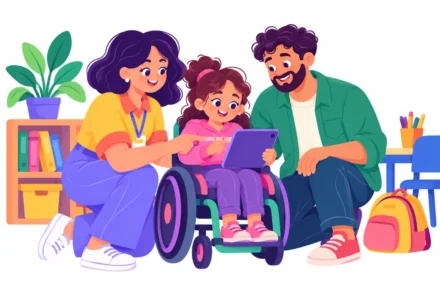
For instance, send the agenda ahead in the family’s language. Allow extra time for interpretation. Invite family members the parent wants to include, such as grandparents.
Then ask open questions, like “What are your hopes for your child?” Listen fully before sharing the team’s view. As a result, families become real partners in culturally responsive special education.
Misread Behavior and Discipline
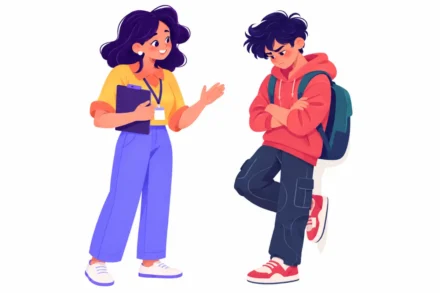
Behavior is often interpreted through one cultural lens. For example, a student who avoids eye contact may be showing respect, not defiance. Similarly, a loud, expressive communication style may be normal at home.
Before labeling a behavior, ask questions:
- Is this behavior expected in the student’s home or community?
- Could language differences explain the confusion?
- Have we asked the family for their perspective?
These questions prevent unnecessary referrals and discipline. In addition, they help teams find the real cause when a problem exists.
Owning Mistakes in Culturally Responsive Special Education
Everyone makes cultural mistakes. What matters is how you respond. So, acknowledge errors simply and without defensiveness.
For instance, you might say, “I misunderstood, and I am sorry. Can you help me learn?” This honest, low-drama language builds trust with families and colleagues.
Also, reflect regularly as a team. Ask which decisions might have been shaped by bias. Then adjust practices together.
Making Culturally Responsive Special Education a Team Habit
Cultural responsiveness works best as a shared routine, not a one-time training. Build it into your processes.
Add a cultural context question to every evaluation and IEP template. Review discipline data for patterns. Meanwhile, invite community members or cultural liaisons to share insight.
For ready-made tools, this [culturally responsive practices toolkit for SPED](https://berchid.com/b/3rNkD) pairs common challenges with practical tips and their effect on students. It makes culturally responsive special education part of everyday decisions.
Frequently Asked Questions
Do I need to be an expert in every culture?
No. Instead, stay curious and ask families. Humility and listening matter more than memorized facts.
How can I tell a language difference from a disability?
Look at both languages, gather history, and observe across settings. A language difference alone is not a disability.
What if a family disagrees with the team?
Listen to understand their reasons. Then look for shared goals and adjust the plan where you can.
Ready-to-use resource:
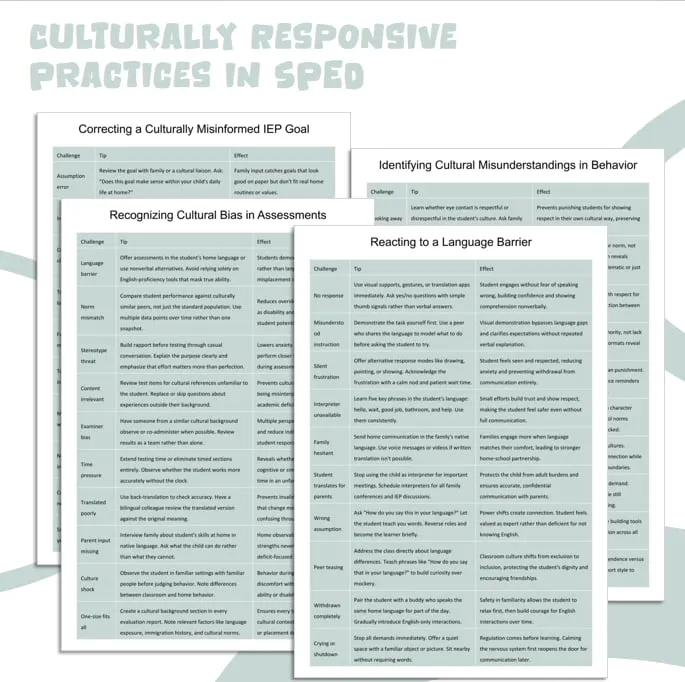
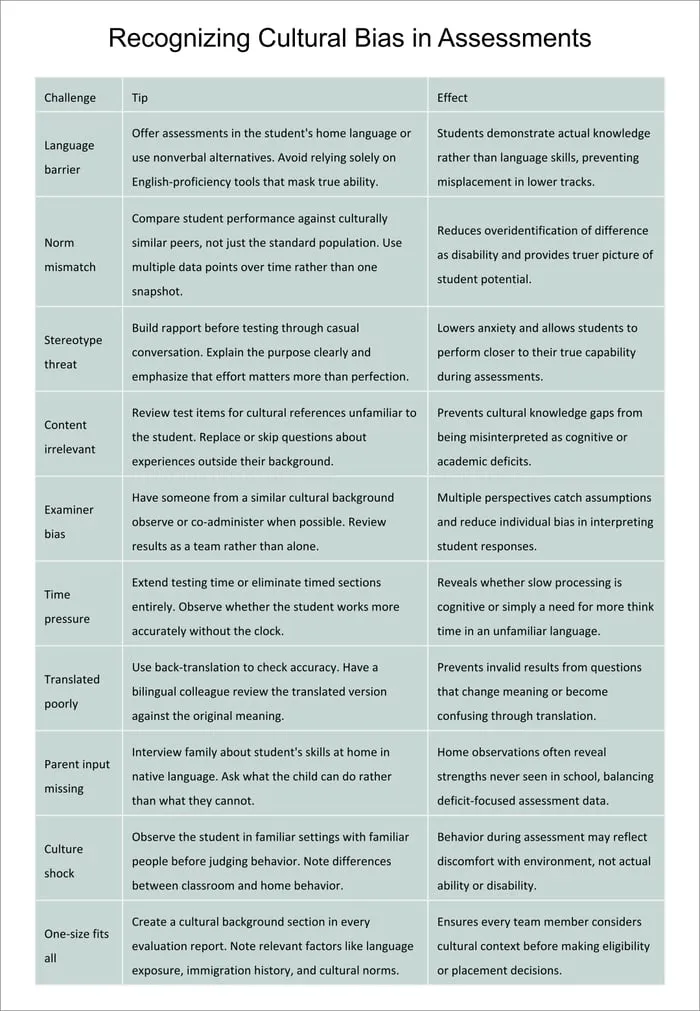
Culturally Responsive Practices in SPED: Twelve pages of Challenge, Tip, and Effect tables that help teams spot cultural blind spots in assessments, IEP goals, behavior, and family meetings.
Related reading: See [How Teachers Communicate With Parents in Special Education](https://fromteachers.com/teacher-parent-communication-special-education/) and [Bridging Gaps in Special Education: Practical Strategies for Teachers](https://fromteachers.com/special-education-strategies/).
Also on FromTeachers:
Key Takeaways
- Culturally responsive special education reduces bias in assessments and IEPs.
- Families are essential partners with knowledge the school needs.
- Ask about culture and language before labeling behavior.
- Own mistakes honestly and build cultural reflection into team routines.



Leave a Comment