

Good math word problem strategies can turn a frustrating page into a clear set of steps. For many students with additional needs, word problems are the hardest part of math. The numbers may be easy. Yet the words, steps, and choices get in the way.
The good news is that problem solving can be taught. This guide breaks the process into small parts. It also shows how to spot exactly where a student gets stuck.
Why Students Need Math Word Problem Strategies
Word problems ask students to do many things at once. They must read, understand, plan, compute, and check. A gap in any one step can stop the whole process.
For example, a student with dyslexia may struggle to read the problem. Meanwhile, a student with ADHD may skip key details. Another student may know the math but not which operation to use.
Because of this, “Try harder” rarely helps. Instead, find the step that breaks down.
Five Steps Behind Math Word Problem Strategies
Teach one clear routine and use it every time. A simple five-step model works well:
- Read: Read the problem twice, aloud if needed.
- Understand: Ask, “What is the question?”
- Plan: Choose a strategy or operation.
- Solve: Do the math carefully.
- Check: Ask, “Does my answer make sense?”
Post these steps in the room. Also, give each student a small copy for their desk.
Math Word Problem Strategies for Reading and Understanding
Many errors start before any math happens. So support the reading step first.
- Read the problem aloud or use text-to-speech.
- Underline the question and circle the key numbers.
- Cross out extra information that does not matter.
- Retell the problem in the student’s own words.
In addition, teach common math vocabulary. Words like “altogether,” “left,” and “each” carry meaning. However, avoid teaching keywords as strict rules. “Left” does not always mean subtract.
Math Word Problem Strategies for Planning
Planning is where many students freeze. Visual tools help them see the structure.
Draw It
Sketch a quick picture or model. For example, draw three bags with four apples each.
Use a Bar Model
Bars show parts and wholes clearly. As a result, students can see whether to add, subtract, multiply, or divide.
Act It Out
Use counters, blocks, or real objects. Hands-on work makes abstract ideas concrete.
Pinpointing Where Students Get Stuck
Guessing wastes time. Instead, use a checklist for each step of the routine.
First, watch a student solve two or three problems. Next, mark which steps they complete well. Then note where errors begin.
For instance, a student may read and plan well but make calculation errors. That student needs fact practice, not more reading support.
The math problem-solving supports for SEN students include checklists that make this process quick and clear.
Building Independence With Math Word Problem Strategies
The goal is for students to use these tools alone. So fade support over time.
- Start with full modeling and think-alouds.
- Then move to guided practice with prompts.
- Next, let students work in pairs.
- Finally, have them solve problems independently with a checklist.
Also, praise the process, not just the answer. Say, “You drew a model first. Great thinking!”
Making Word Problems Meaningful
Real-life problems build interest. Use names, places, and topics that students know.
For example, plan a class party budget. Or figure out how many buses a field trip needs. As a result, math feels useful, not abstract.
For more on math learning differences, Understood.org offers clear guides for teachers and families.
Common Errors and Quick Fixes
Some mistakes show up again and again. Luckily, each one has a simple fix.
- Error: Using every number in the problem. Fix: Cross out extra details first.
- Error: Choosing the wrong operation. Fix: Draw a model before solving.
- Error: Forgetting the units. Fix: Write the answer as a full sentence.
- Error: Stopping after one step. Fix: Ask, “Did I answer the real question?”
In addition, watch for rushing. Many students want to finish fast. So build in a short pause before they start. For example, ask them to say the question out loud first.
Also, check working memory. Some students forget numbers while solving. In that case, let them write each number down as they read. As a result, their attention stays on the thinking, not on remembering.
Finally, keep a simple error log. Note the type of mistake each time. After a few weeks, patterns appear. Then you can choose the best math word problem strategies for each student instead of guessing.
Math Word Problem Strategies at Home
Parents can help a lot with small daily habits. First, use everyday math. Cooking, shopping, and travel all hold real word problems.
Next, ask questions instead of giving answers. Say, “What do we know?” and “What do we need to find?” Then let the child try.
Also, use the same steps the teacher uses. Consistent language helps the routine stick. Finally, celebrate effort, even when the answer is wrong.
Frequently Asked Questions
Should I teach keywords for word problems?
Use them with care. Keywords help, but they can mislead. Always pair them with understanding the whole problem.
How many problems should a student practice?
Quality beats quantity. Three problems solved carefully teach more than ten rushed ones.
What if a student can’t read the problem?
Read it aloud or use text-to-speech. Then focus on the math thinking.
Ready-to-use resource:
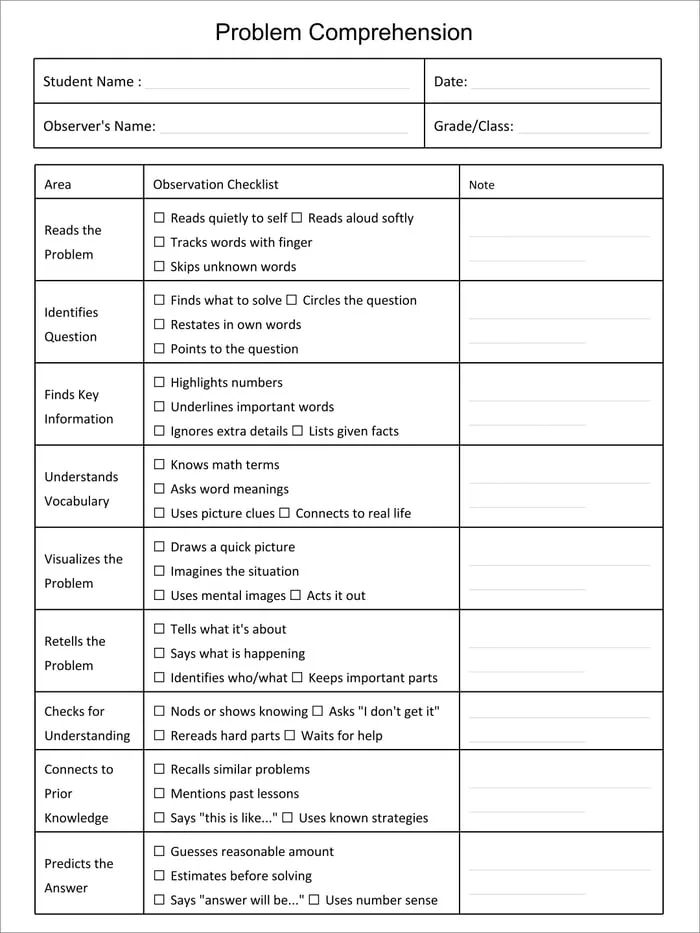
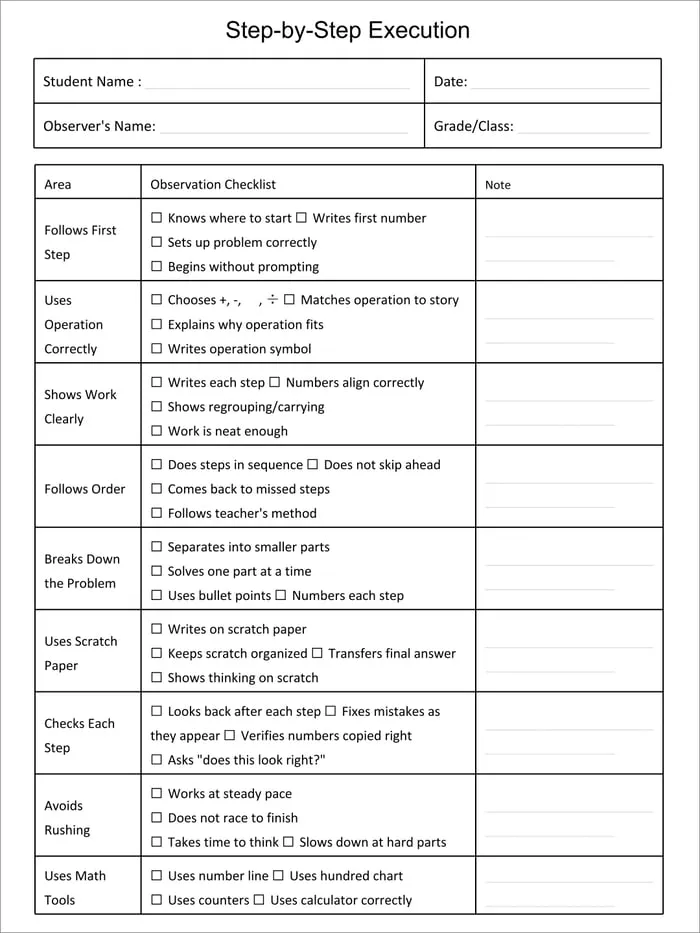
Math Problem-Solving Supports for SEN Students: Step-by-step checklists that pinpoint which stage of problem solving needs more support, so you can target help instead of guessing.
Related reading: Accommodations vs Modifications in Special Education and 5 Practical Teaching Tips to Boost Classroom Focus and Learning.
Also on FromTeachers:
Key Takeaways
- Math word problem strategies work best as one clear, repeated routine.
- Support reading and understanding before any calculation.
- Use drawings, bar models, and objects to plan solutions.
- Pinpoint the exact step that breaks down, then target help there.










Leave a Comment