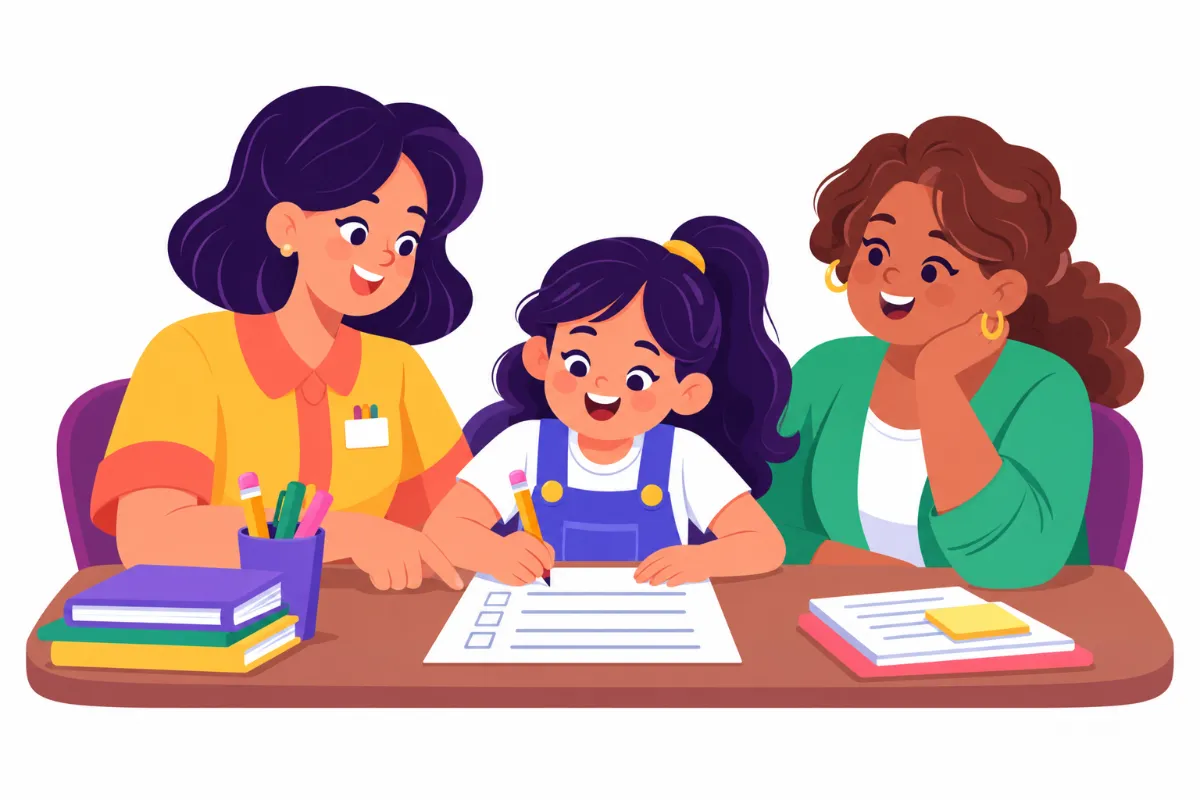

A student-centered IEP starts with a simple question that many plans skip: what does the learner think? Picture a third grader sitting at the end of a long table while adults talk about her reading scores, her behavior, and her “areas of need.” She hears her name often, but she never hears her own words. Later, the plan sits in a folder, and nobody, including her, feels it really belongs to her.
This guide walks you through five practical steps to build a plan that puts the student’s voice first. By the end, you will know how to gather the learner’s views, write strengths and needs in the first person, turn them into clear actions, set a few trackable targets, and run a review the student can take part in.
Examples are fictional. Adapt to the student’s goals and agreed supports. This is guidance, not a diagnosis.
At a glance
- Ask the student first, then ask the adults who know them well.
- Write strengths and needs in the student’s own words, using “I” statements.
- Link every action to a named person and a clear way to measure success.
- Keep the goal list short, specific, and easy to track.
- Invite the student into the review so the plan stays theirs over time.
1. Gather the student’s voice before you write the student-centered IEP
First, set aside time to listen before any paperwork begins. A student-centered IEP grows from real conversations, not from a blank form filled in by adults alone. Plan two or three short, relaxed chats in a familiar place, such as the classroom reading corner or a quiet table at lunch.
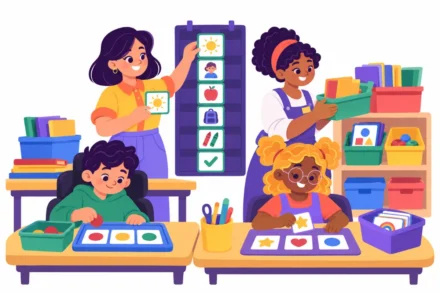
Next, choose questions that fit the student’s age and communication style. Some students answer best out loud. Others prefer to point to pictures, sort cards into “easy” and “hard” piles, draw, or type. Use whatever method lets the student show what they really think.
Questions that open the conversation
- What are you good at, in school or at home?
- Which part of the school day feels hard?
- When something is tricky, what helps you?
- Who do you like to ask for help?
- What would you like to get better at this year?
Then, talk with the adults who know the student well, since a student-centered IEP still needs their view. Parents and carers often see strengths that school staff miss, such as patience with a younger sibling or a talent for building. Teachers and support staff can add what they notice in different lessons. Write all of this down, but keep the student’s words separate so they do not get lost.
Worked example. Lina is a fictional student in grade 3 who finds reading and written tasks hard. In a chat with her teacher, she sorts picture cards and says, “I’m good at drawing and helping in the garden. Reading the board is hard because the words move too fast.” Her mom adds that Lina remembers stories well when someone reads them aloud. These notes become the raw material for the plan.
In short, listening first saves time later. As a result, the plan begins with real information instead of assumptions.
2. Write strengths and needs in the first person
Once you have the student’s views, turn them into “I” statements. Writing in the first person is the heart of a student-centered IEP, because it keeps the learner at the center of every sentence. It also makes the plan easier for families and staff to read and remember.
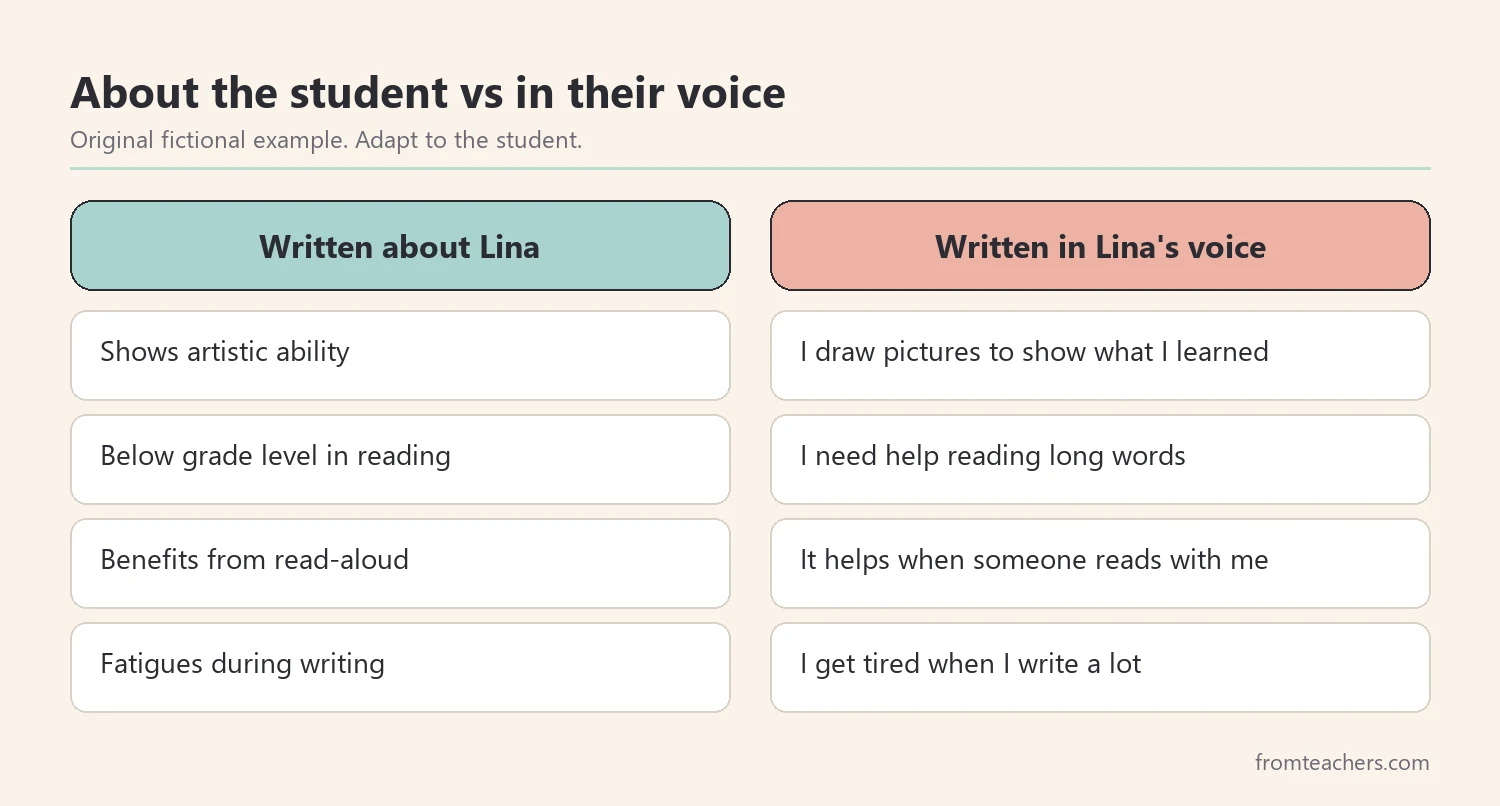
In addition, start with strengths, and be specific. “I am good at drawing pictures that show what happens in a story” says more than “Lina is artistic.” Then, move to needs. Describe what is hard and when, without labels or blame. Finally, add a short line about what helps, including support from parents or carers.
Check each statement with the student
First-person writing still needs to be accurate. Check each statement with the student: “Is this right? Would you say it this way?” For younger students or those with limited speech, an adult may write the words, but the meaning should come from the student’s choices, drawings, or reactions.
| Section | Adult-focused version | Student-voice version |
|---|---|---|
| Strength | Shows artistic ability | I draw pictures to show what I learned |
| Need | Below grade level in reading | I need help reading long words |
| What helps | Benefits from read-aloud | It helps when someone reads with me |
| Home support | Parent provides practice | My mom reads with me at bedtime |
Worked example. Lina’s strengths box now reads: “I am good at drawing and I remember stories when I hear them. I like helping in the school garden.” Her needs box reads: “I need help reading long words and copying from the board. I get tired when I write a lot.” Her support box says: “My mom reads with me at bedtime, and I like using a copy of the board on my desk.”
In other words, the facts stay the same. Only the point of view changes, and that change matters to the student.
3. Turn needs into a student-centered IEP action plan
Next, connect each need to a clear action. A student-centered IEP is only useful if everyone knows what will happen, who will do it, and how the team will know it worked. Therefore, each action needs three parts: the planned support, the person responsible, and the measure of success.
For example, keep the planned support in a student-centered IEP concrete. “Extra help with reading” is too vague to act on. “Read a short text with a teaching assistant for ten minutes, three mornings a week” is clear. In addition, name a role or person for every line. When a task belongs to “the team,” it often belongs to nobody.
Then, decide how you will measure success before the support starts. Good measures are simple and observable, such as words read correctly, tasks finished, or times the student uses a tool without a reminder. Also, include the student in this step. Ask, “How will you know you are getting better?”
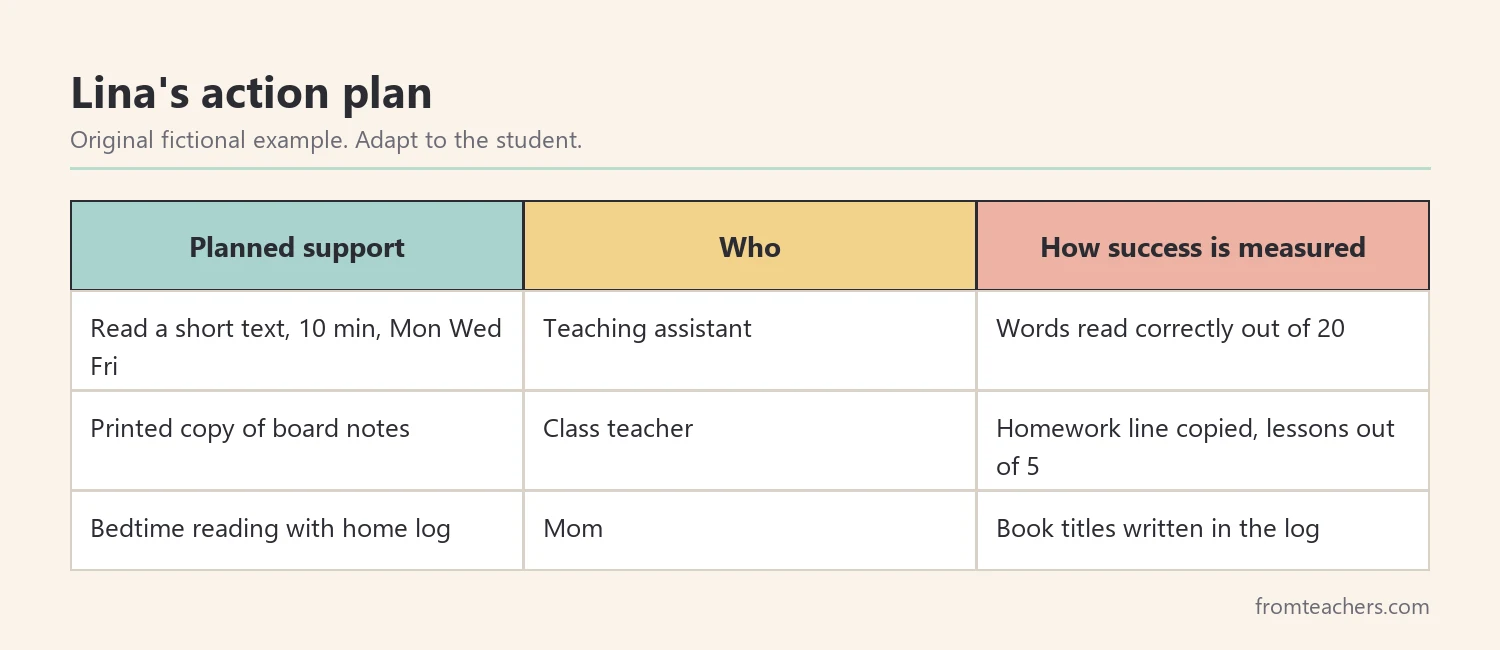
A ready-made layout helps here. The printable IEP template with first-person prompts includes action planning sections for planned support, who is responsible, and how success will be measured, so you do not need to design the columns yourself.
Worked example. Lina’s plan has three actions. First, the teaching assistant reads a short text with her for ten minutes on Monday, Wednesday, and Friday mornings. Second, her teacher gives her a printed copy of board notes in every lesson. Third, her mom keeps reading with her at bedtime and writes the book title in a home log. Each line lists how success will be checked.
As a result, the plan moves from a description of Lina to a set of actions people can follow on Monday morning.
4. Set a short list of trackable targets
Now, choose the targets for the student-centered IEP. A student-centered IEP works best with a few clear goals rather than a long list nobody can track. Four targets is a practical limit for many students, because it keeps the plan focused and the data manageable.
Next, write each target so that anyone can tell whether it was met. Include the skill, the condition, and the level of success. For example, “I will read a list of 20 two-syllable words with at least 16 correct, three times in a row.” Similarly, keep the student’s voice in the target where it reads naturally.
Target checklist
- Is the skill clear and observable?
- Does it say under what conditions the skill is shown?
- Is the success level stated as a number or clear standard?
- Does the student understand the target in their own words?
- Is it linked to an action in the plan?
Next, check the numbers. If the target says 16 of 20 words, your tracking sheet should record words out of 20, not percentages one week and tallies the next. Consistent measures make the review easy and honest.
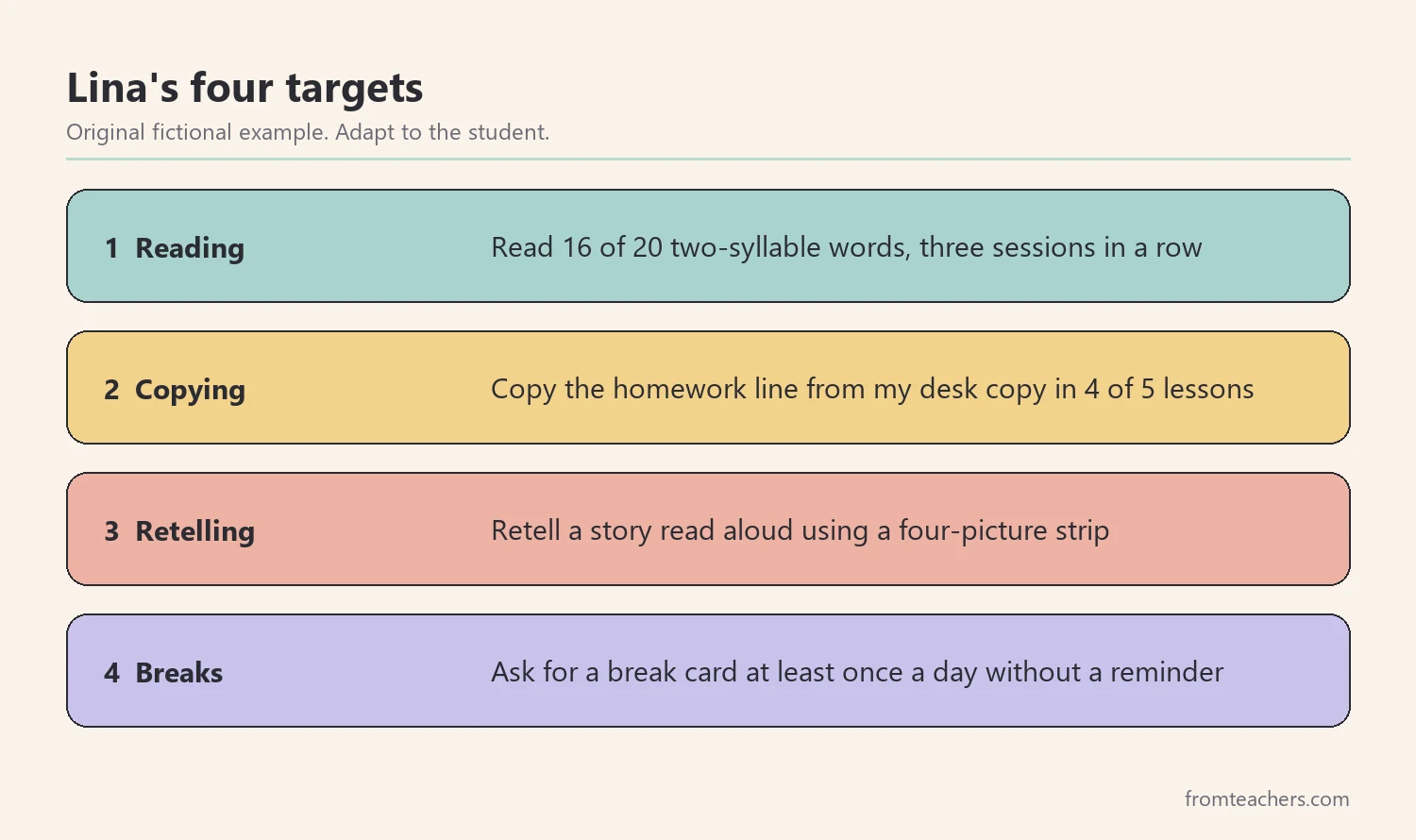
Worked example. Lina’s team agrees on four targets. She will read 16 of 20 two-syllable words correctly, three sessions in a row. She will copy the homework line from her desk copy in four of five lessons. During small-group reading, she will retell a story read aloud using a four-picture strip. She will ask for a break card when tired, at least once a day, without a reminder. Lina draws a small picture next to each target to show what it means to her.
In short, fewer targets in a student-centered IEP make it easier to see progress and to celebrate it with the student.
5. Review the student-centered IEP with the learner in the room
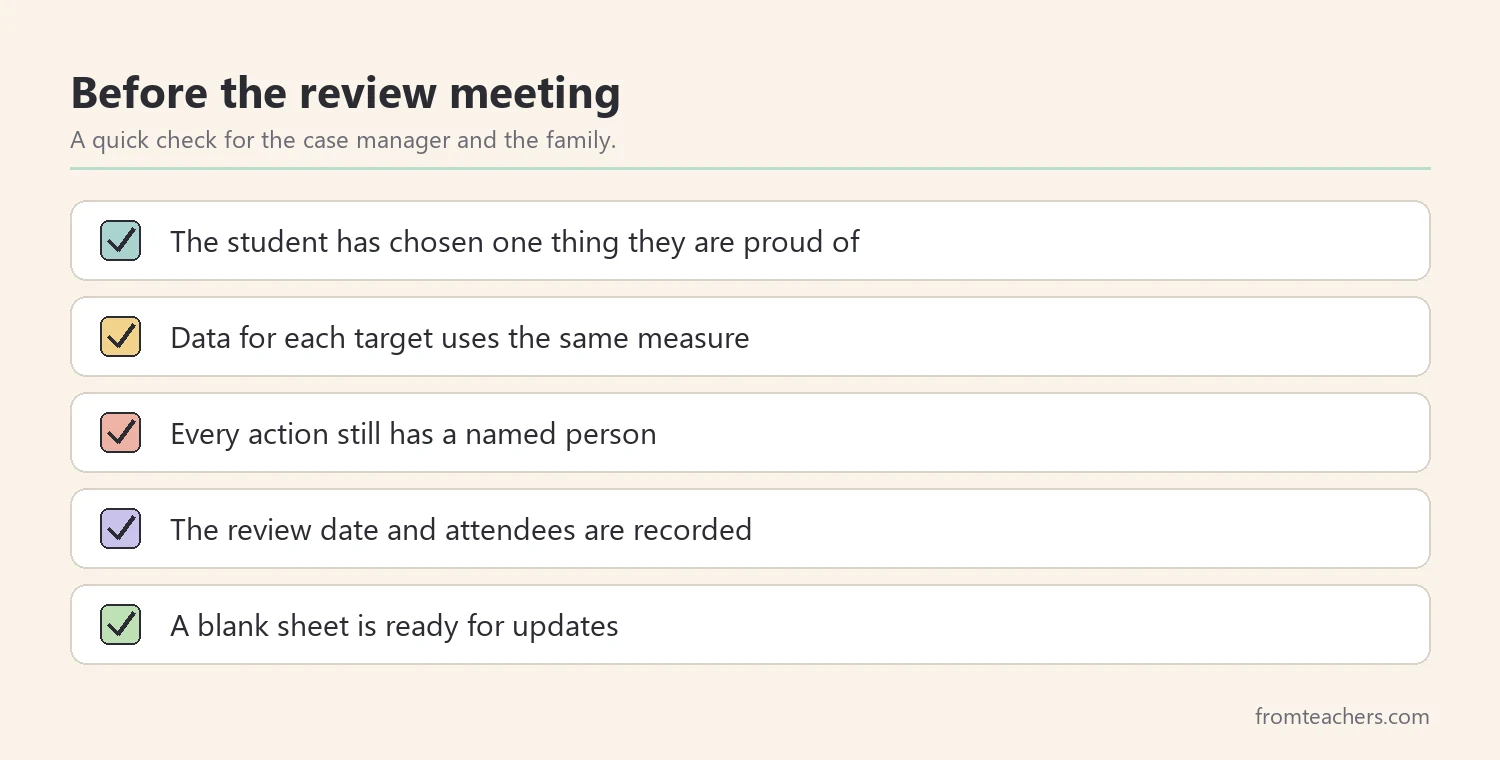
Finally, plan the review as carefully as the first draft. A student-centered IEP stays alive only if it is checked, discussed, and updated. Set the review date when you write the plan, and record who will attend, including the student where appropriate.
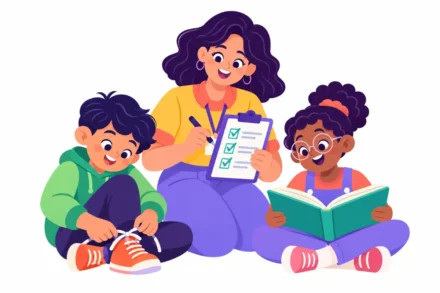
Before the meeting, help the student prepare to speak about their student-centered IEP. They might choose one thing they are proud of, one thing that is still hard, and one idea for next term. Some students like to present a short slide or a drawing. Others prefer to sit beside a trusted adult and add comments when asked.
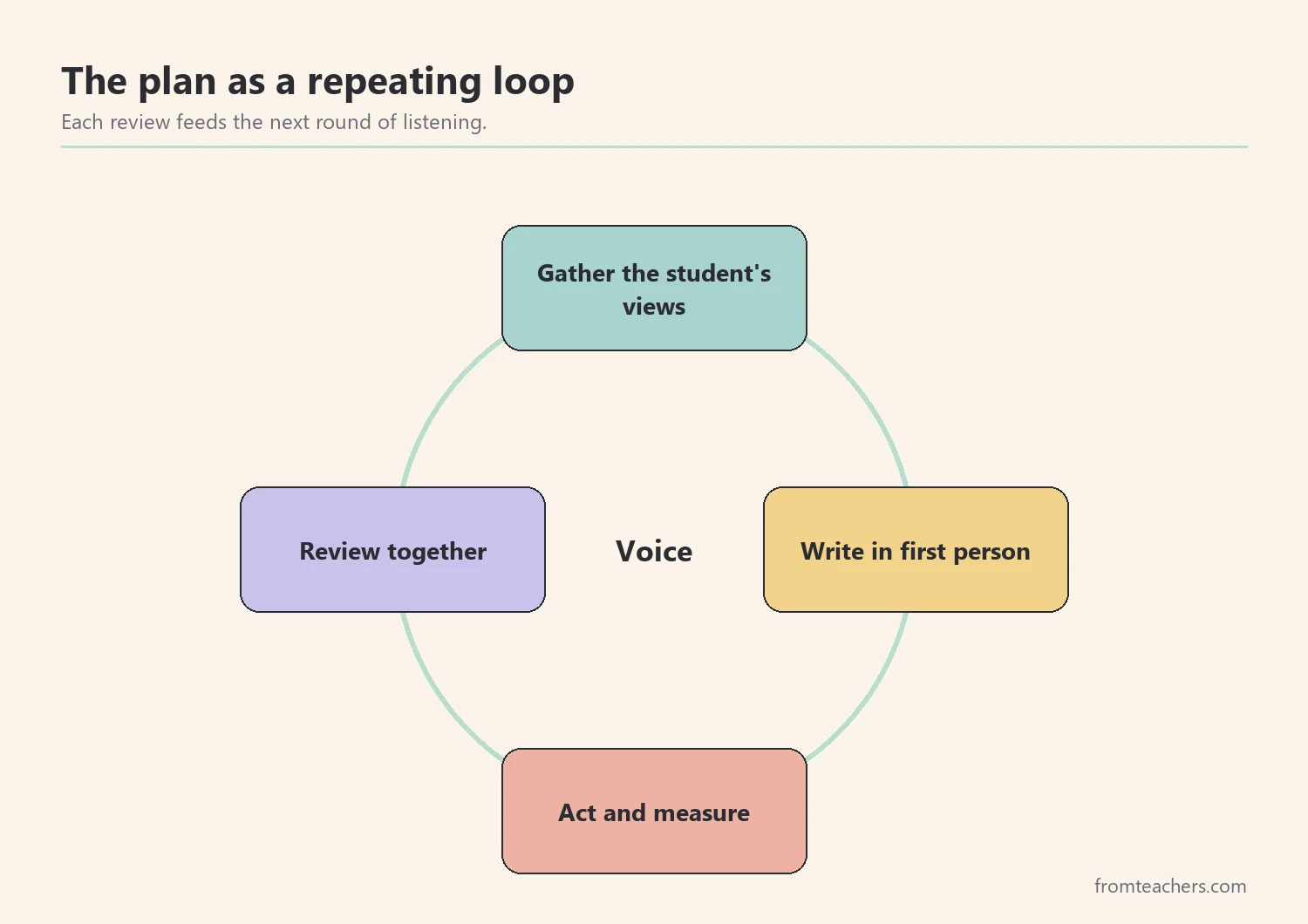
During the review, start with the student’s view, then look at the data for each target. Ask the same questions every time: What worked? What did not? What should change? Then, update actions and targets, and collect signatures from the SENCO or case manager and from parents or carers. In addition, keep a spare blank sheet ready for updates or a new term.
| Review question | Who answers first |
|---|---|
| What am I proud of? | Student |
| What does the data show? | Teacher or case manager |
| What did you see at home? | Parent or carer |
| What should we change next? | Whole team, with the student |
Worked example. At her review, Lina shows her drawing of the garden and says she can now read most of her word list. The data shows she reached 16 of 20 words in three sessions in a row, so that target is met. She still forgets to ask for a break card, so the team keeps that target and adds a picture reminder on her desk. Her mom and the SENCO sign the updated sheet.
Common mistakes and how to avoid them
- Writing first, asking later. When adults draft everything before talking to the student, the voice is added as decoration. Fix: hold the student conversation before you write a single box.
- Using “I” statements the student would never say. Adult phrases in the first person still sound like adults. Fix: read each statement aloud to the student and adjust the wording together.
- Actions with no named person. Shared tasks tend to slip. Fix: give every action one role or name.
- Too many targets. Long goal lists are hard to track and harder to celebrate. Fix: keep a short list and add new targets after reviews.
- Measures that change week to week. Mixing percentages, tallies, and comments hides progress. Fix: pick one measure per target and keep it.
- Reviewing without the student. A student-centered IEP loses its purpose when the learner is absent. Fix: invite the student, even for part of the meeting, and help them prepare.
Questions teachers and parents ask about a student-centered IEP
Can young children really contribute to a student-centered IEP?
Yes, with the right tools. Young children can sort picture cards, point to faces that show feelings, or draw what they like and find hard. The adult then writes their ideas in simple first-person sentences and checks them with the child.
What if the student cannot speak or write?
Every student communicates in some way. Use the student’s usual communication method, such as pictures, a device, gestures, or choices between two options. Family members and staff who know the student well can help interpret, but the plan should reflect the student’s own preferences.
Does first-person writing make the plan less professional?
No. The plan still includes clear actions, named people, measures, and dates. The first-person sections simply make strengths and needs easier for everyone to understand, including the student.
How often should a student-centered IEP be reviewed?
Follow your school’s and your local area’s required review timelines. Many teams also do short informal check-ins between formal reviews. These quick checks keep the student involved and catch problems early.
Should the student attend the whole review meeting?
That depends on the student’s age, comfort, and the topics being discussed. Some students attend the whole meeting, while others join for the start and share their views. Agree on the plan with the family and the student ahead of time.
Related reading: How Parents and Teachers Can Team Up for Special Education Success, Accommodations vs Modifications in Special Education: The Difference Explained, and The Power of Data Tracking in Special Education.
A companion resource for a student-centered IEP:
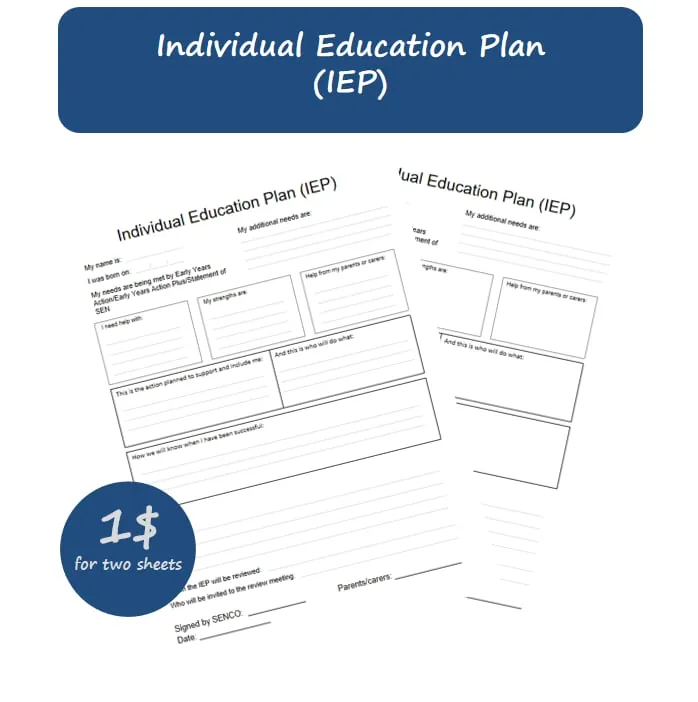
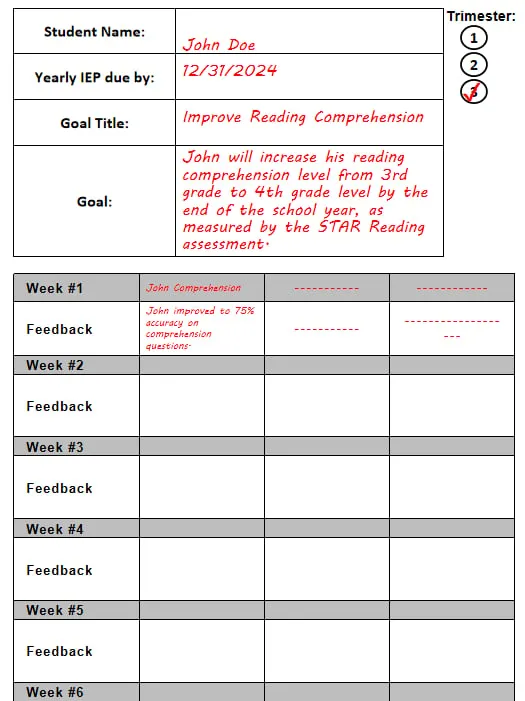
Individual Education Plan (IEP) Template: a printable template with first-person prompts, two full IEP sheets, student information fields, strengths and needs boxes, action planning sections, a four-target goal list, and a review and sign-off area for the SENCO and parents or carers.
Sources and scope
- IDEA, U.S. Department of Education: the law behind special education services and IEPs in the United States.
- IRIS Center, Vanderbilt University: free modules on IEPs, student involvement, and evidence-based practices.
- Understood.org: practical articles for families and teachers on IEPs and self-advocacy.
- CAST: Universal Design for Learning resources on offering students different ways to show what they know.
This guide covers practical ways to include the learner’s voice when writing and reviewing an individual plan. It does not replace legal requirements, local policies, or advice from your school’s special education team.
Key takeaways
- A student-centered IEP begins with listening to the student before writing anything.
- First-person strengths and needs keep the learner at the center of the plan.
- Every action needs a support, a named person, and a measure of success.
- A short list of clear targets makes progress easy to track and celebrate.
- Reviewing the student-centered IEP with the learner keeps the plan theirs over time.






Leave a Comment