

Supporting students who stutter starts with a simple truth: what adults say and do in the moment matters as much as any therapy plan. A patient listener can turn a stressful speaking moment into a successful one. On the other hand, well-meaning interruptions can teach a child to stay silent.
This guide gives teachers practical scripts and classroom routines that build confidence. It also helps parents understand how to work with school staff and speech-language pathologists.
Understanding Stuttering in Plain Words
Stuttering is a difference in the flow of speech. A student may repeat sounds or words, stretch sounds, or get “stuck” with no sound coming out. In addition, some students blink, look away, or swap words to avoid a hard sound.
Stuttering is not caused by nervousness or poor parenting. However, stress and time pressure can make speaking moments feel harder. The American Speech-Language-Hearing Association offers clear, reliable background for families and teachers.
What Not to Do When a Student Stutters
Most mistakes come from kindness. Still, they can send the message that stuttering is bad.
- Finishing words: it feels helpful, but it takes the student’s voice away.
- Saying “slow down” or “take a breath”: this suggests the student is doing something wrong.
- Looking away: breaking eye contact can signal discomfort.
- Rushing the turn: moving on quickly tells the student their words matter less.
Instead, wait calmly, keep natural eye contact, and respond to the message, not the speech.
Daily Scripts for Supporting Students Who Stutter
Having words ready makes it easier to respond well. For example, try these simple phrases:
- “Take your time. I’m listening.”
- “That’s a great point. Tell me more.”
- “Thanks for sharing that with the class.”
Also, talk privately with the student early in the year. Ask what helps and what does not. As a result, the student feels respected and in control. Many teachers find that a set of ready-made classroom scripts for stuttering support helps the whole team respond consistently.
Oral Reading and Presentations
Reading aloud and presenting are often the hardest moments. Therefore, plan them together with the student instead of avoiding them completely.
Options for Oral Reading
- Choral reading with a partner or small group
- Letting the student choose when to read rather than calling on them unexpectedly
- Practicing the passage ahead of time
Options for Presentations
First, offer a choice of format, such as presenting to a small group. Next, allow notes or slides as visual anchors. Finally, grade content and ideas, not fluency.
Handling Peer Reactions
Teasing can hurt more than the stutter itself. Because of this, set clear classroom norms about respectful listening for everyone. For example, teach that we never finish someone else’s sentence.
If teasing happens, address it quickly and privately with the peer. In addition, some students like to explain stuttering to classmates themselves. Others prefer privacy, so always ask first.
Working With the SLP and Family
Supporting students who stutter works best as a team effort. The speech-language pathologist can share goals and strategies the student is practicing. Also, parents can tell you what helps at home.
Next, agree on how the team will respond in class. Consistency reduces anxiety. If the student has an IEP or 504 plan, accommodations such as alternative presentation formats can be written in.
Building a Classroom Culture of Patient Listening
Patient listening helps every student, not just those who stutter. First, model it yourself by pausing before you respond. Next, praise students who wait for a classmate to finish.
In addition, slow the overall pace of discussions. For example, use “think time” before anyone answers a question. As a result, students who need more time to speak are not rushed by quicker peers.
Simple Routines That Help
- Turn-and-talk with a partner before whole-class sharing
- Using talking sticks or cards so one person speaks at a time
- Written or drawn responses as an option for some questions
- Predictable questioning, so students know when they will be asked
Because these routines reduce time pressure, they make supporting students who stutter part of normal classroom life.
Supporting Students Who Stutter Through Transitions
New classes, substitute teachers, and field trips can bring new speaking demands. Therefore, share a short note with substitutes about how to respond. Also, prepare the student for unfamiliar situations, such as ordering food on a trip.
Finally, check in privately after big speaking moments. Ask what went well and what felt hard. This shows the student that their voice matters and that you are on their side.
Getting Started This Week
First, schedule a short private chat with the student about what helps. Next, share the agreed approach with other adults who teach them. Then, practice patient waiting in every class discussion. In addition, plan one oral reading option together. Finally, check in after two weeks and adjust. Small, steady changes help students feel safe using their voice.
Frequently Asked Questions
Should I tell a student to slow down?
No. Instead, model a relaxed speaking pace yourself and give plenty of time. Calm waiting is more helpful than advice.
Is it okay to excuse a student from oral reading?
Ask the student first. Some want alternatives, while others want to participate with support. Avoid deciding for them.
Can stuttering affect grades?
It can if participation grades focus on fluency. Therefore, grade the content of what students say, not how smoothly they say it.
Ready-to-use resource:
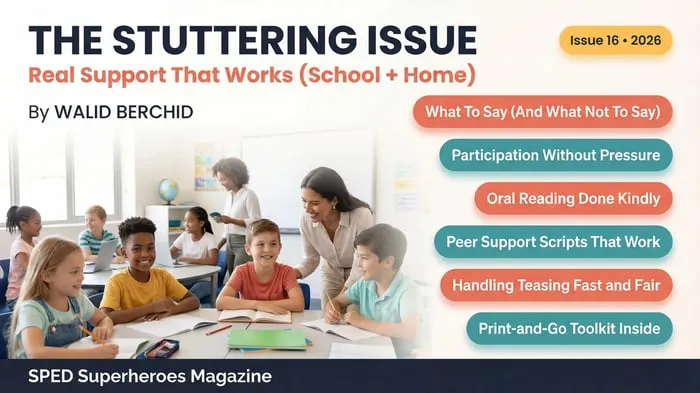
Stuttering Support: Classroom Scripts That Work: Ready-to-use scripts and strategies for daily interactions, oral reading, presentations, and peer moments.
Related reading: how teachers communicate with parents in special education and accommodations vs modifications explained.
Also on FromTeachers:
Key Takeaways
- Supporting students who stutter starts with patient, calm listening.
- Avoid finishing words or telling students to slow down.
- Plan oral reading and presentations together with the student.
- Work with the SLP and family so everyone responds consistently.




Leave a Comment