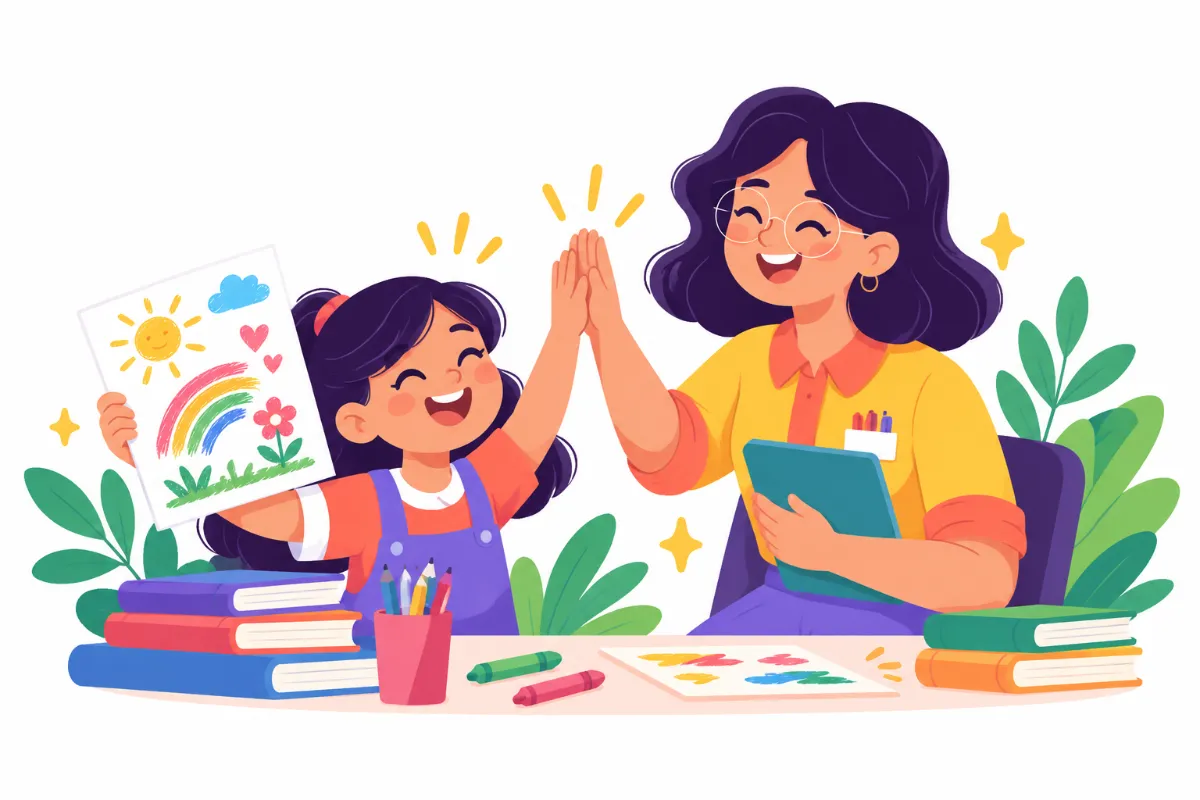

Simple self-esteem activities for kids can make a lasting difference in how children see themselves. Confidence is not something children either have or lack. Instead, they build it one small win at a time, with adults guiding the way.
This guide shares practical activities for classrooms and homes. It is designed for teachers, counselors, and parents who want to grow resilient, confident children.
Why Self-Esteem Activities for Kids Matter
Children with healthy self-esteem are more willing to try new things. They also recover more quickly from mistakes. As a result, they take the learning risks that lead to growth.
However, many children, especially those with learning differences, hear more corrections than praise. Therefore, intentional confidence-building activities help balance the picture.
The Power of “Yet”
Adding one word can change a child’s mindset. For example, “I can’t do fractions” becomes “I can’t do fractions yet.” This small shift shows that skills grow with practice.
Activity: The Yet Wall
First, have students write something they can’t do yet on a sticky note. Next, post the notes on a wall. Finally, move notes to a “Now I Can” section as skills develop.
Celebrating Wins Big and Small
Celebrating progress shows children their effort matters. In addition, it helps them notice their own growth.
- Win journals: students write one success each day.
- Brag boards: a space where students share proud moments.
- Specific praise: say “You kept trying on that hard problem” instead of “Good job.”
Handling Mistakes With Grace
Mistakes are part of learning. However, many children feel ashamed when they get things wrong. Model calm responses to your own mistakes.
For example, say aloud, “Oops, I made a mistake. Let me fix it.” Also, try a “favorite mistake” activity where students share an error that taught them something.
Building Independence and Positive Self-Talk
Children feel capable when they do things for themselves. Therefore, give age-appropriate responsibilities, such as classroom jobs or packing their own bag.
Activity: Self-Talk Swap
First, list common negative thoughts like “I’m bad at this.” Next, work together to write kinder replacements, like “This is hard, but I’m learning.” Then, practice using them during challenging tasks.
A friendly, illustrated resource like the comic-style confidence building guide for kids makes these lessons easy to share with young learners.
Self-Esteem Activities for Kids That Build Kindness
Helping others boosts children’s sense of worth. For example, buddy reading with younger students or writing kind notes to classmates both build confidence.
In addition, a “compliment circle” lets each child receive positive words from peers. These activities create a classroom culture of encouragement. For guidance on children’s emotional well-being, the CDC children’s mental health pages are a helpful resource.
Self-Esteem Activities for Kids at Home
Home is where confidence often grows most. For example, parents can give children real responsibilities, like setting the table or feeding a pet. Completing these tasks shows children they are capable.
In addition, try a family “proud moment” at dinner. Each person shares one thing they are proud of from the day. Also, display your child’s work in a visible spot to show it matters.
Quick Home Ideas
- Let children make simple choices, like what to wear
- Ask for their opinion on family plans
- Write short encouraging notes in lunch boxes
- Praise effort and strategies, not just results
Supporting Children Who Struggle With Confidence
Some children need extra support. For example, students with learning differences may compare themselves to peers and feel behind. Therefore, help them notice their own progress rather than others’ results.
Also, highlight strengths outside academics, such as art, kindness, or humor. Because confidence grows from success, set tasks where children can win with effort. As a result, self-esteem activities for kids become a foundation for lifelong resilience.
Getting Started This Week
First, pick one activity, such as the Yet Wall, and try it this week. Next, notice how children respond and adjust the activity to fit their age. Then, add a second routine, like daily win journals. In addition, share the ideas with families so the same language is used at home. Finally, celebrate the small changes you see. Confidence grows quietly, so look for brave moments and name them.
Frequently Asked Questions
What age should self-esteem activities start?
Confidence-building can begin in preschool. Activities simply become more reflective as children get older.
Can too much praise hurt self-esteem?
Empty praise can lose meaning. Specific praise about effort and strategies is more effective than general compliments.
How can parents support confidence at home?
Give children responsibilities, celebrate effort, and model kind self-talk. Consistency between home and school helps.
Ready-to-use resource:
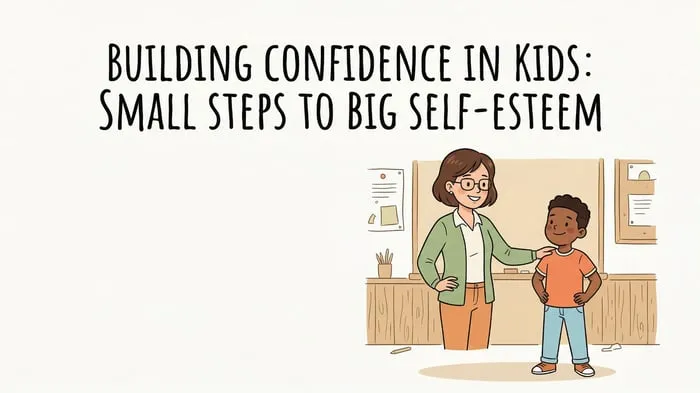
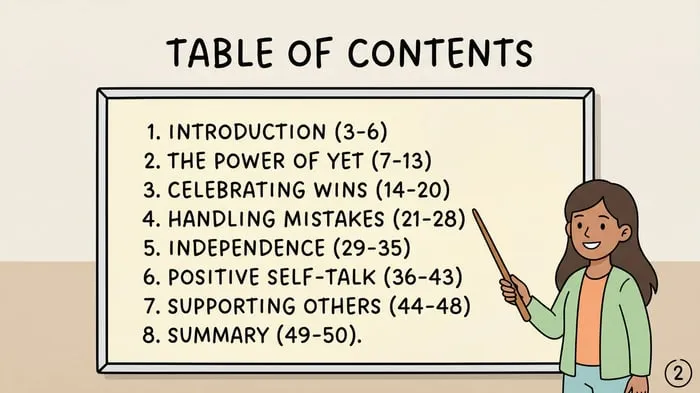
Building Confidence in Kids: Self-Esteem Activities Guide: A 50-page comic-style guide covering the power of yet, celebrating wins, handling mistakes, and positive self-talk.
Related reading: school counseling strategies for student success and trauma-informed teaching strategies.
Also on FromTeachers:
Key Takeaways
- Self-esteem activities for kids help children build confidence through small wins.
- The word “yet” teaches that skills grow with practice.
- Model calm responses to mistakes and teach kind self-talk.
- Independence and kindness activities strengthen a child’s sense of worth.





Leave a Comment