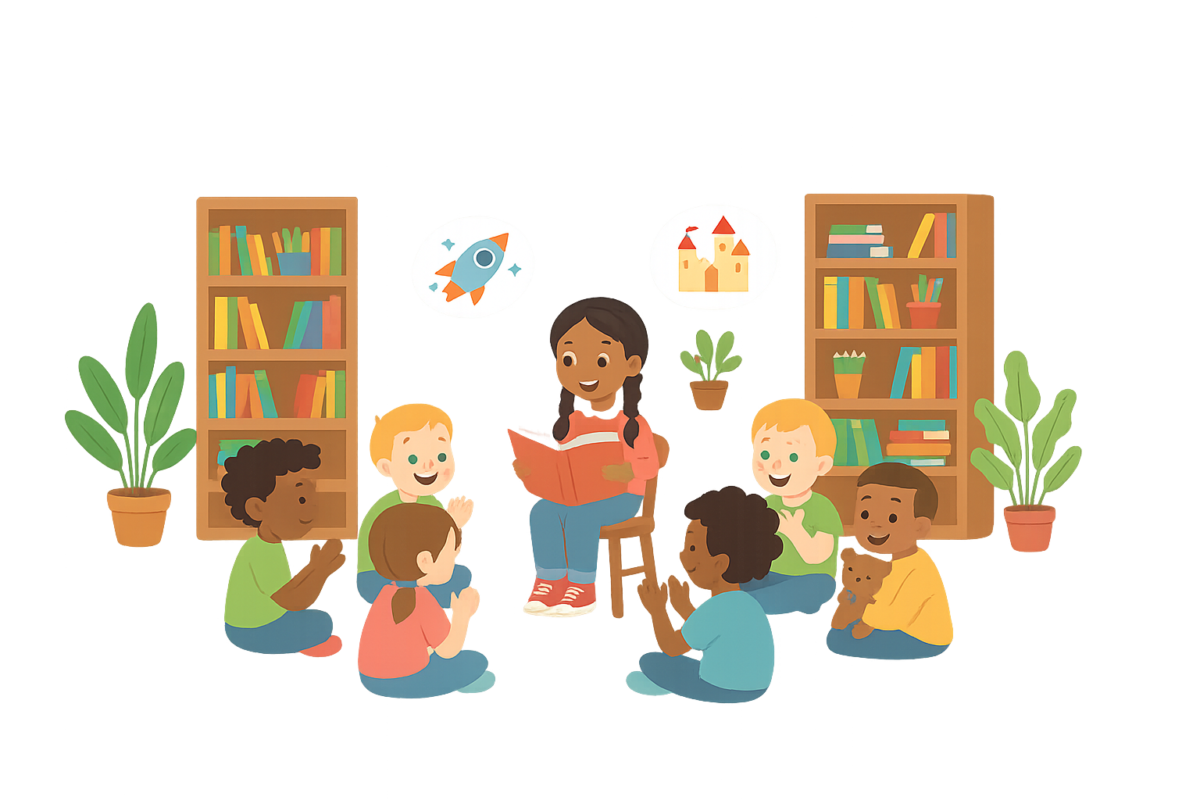

Implementing effective dyslexia solutions in the classroom is crucial for helping struggling readers achieve academic success. This comprehensive research report provides evidence-based dyslexia solutions that educators can immediately apply to support dyslexic learners. Discover how the right dyslexia solutions can transform reading outcomes and build student confidence in any classroom setting.
Understanding Dyslexia in Educational Settings
Dyslexia solutions in the classroom begin with recognizing that dyslexia represents a different way of processing language, not a lack of intelligence. Effective dyslexia solutions focus on structured literacy approaches that address phonological awareness, decoding skills, and reading fluency while accommodating different learning styles.
Get the complete research: Dyslexia Solutions in the Classroom Research Report
Key Evidence-Based Dyslexia Solutions
Research supports these effective dyslexia solutions for classroom implementation:
- Structured Literacy Programs – Systematic, explicit phonics instruction
- Multisensory Teaching – Engaging visual, auditory, and kinesthetic pathways
- Assistive Technology – Text-to-speech, speech-to-text, and audiobooks
- Accommodations – Extended time, oral testing, and alternative assessments
- Early Intervention – Identifying and supporting struggling readers quickly
Implementing Effective Classroom Strategies
These practical dyslexia solutions can be implemented immediately:
- Phonemic Awareness Activities – Sound manipulation and blending exercises
- Orton-Gillingham Approaches – Multisensory structured language instruction
- Reading Fluency Practice – Repeated reading and phrase-level practice
- Vocabulary Development – Direct teaching of word meanings and patterns
- Comprehension Strategies – Explicit instruction in reading for meaning
The Dyslexia Solutions Research Report provides detailed guidance for each of these classroom dyslexia solutions.
Creating a Dyslexia-Friendly Classroom Environment
Successful dyslexia solutions require supportive learning environments:
- Reduced Visual Stress – Use of colored overlays and appropriate fonts
- Clear Organization – Predictable routines and visual schedules
- Positive Mindset – Celebrating effort and progress, not just perfection
- Peer Support – Building understanding and empathy among all students
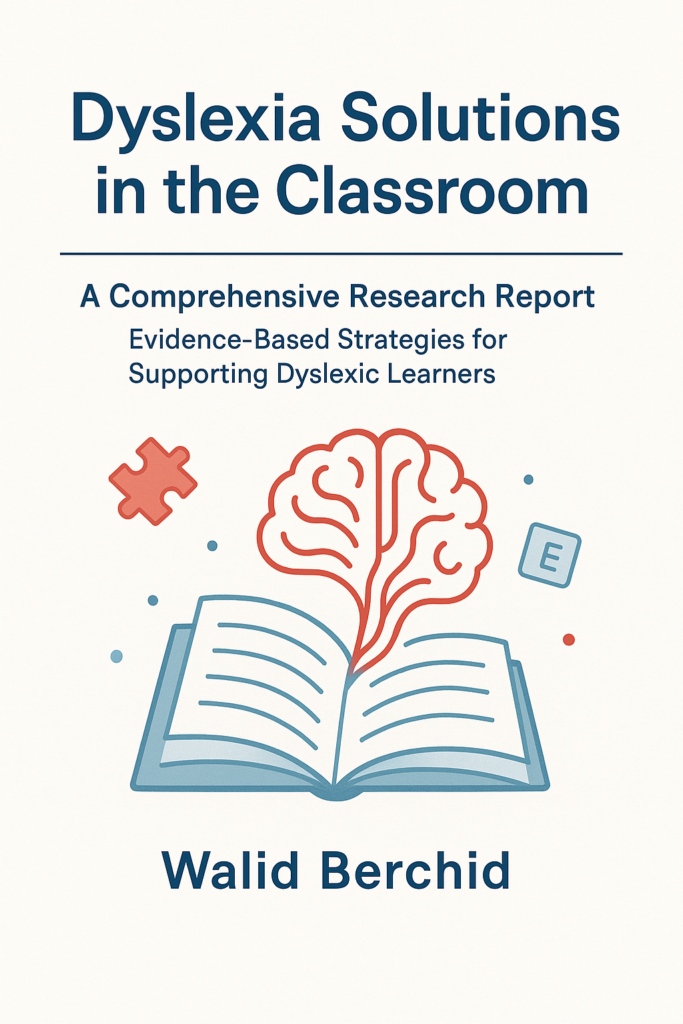
Your Comprehensive Dyslexia Resource
This essential Dyslexia Solutions Research Report by Walid Berchid includes:
- Research-backed intervention strategies
- Lesson plan templates and activities
- Assessment and screening tools
- Accommodation and modification ideas
- Progress monitoring frameworks
- Professional development resources
Help every reader succeed! Get the Dyslexia Solutions Report
For more resources on reading intervention and special education strategies, visit our educational blog.










Leave a Comment