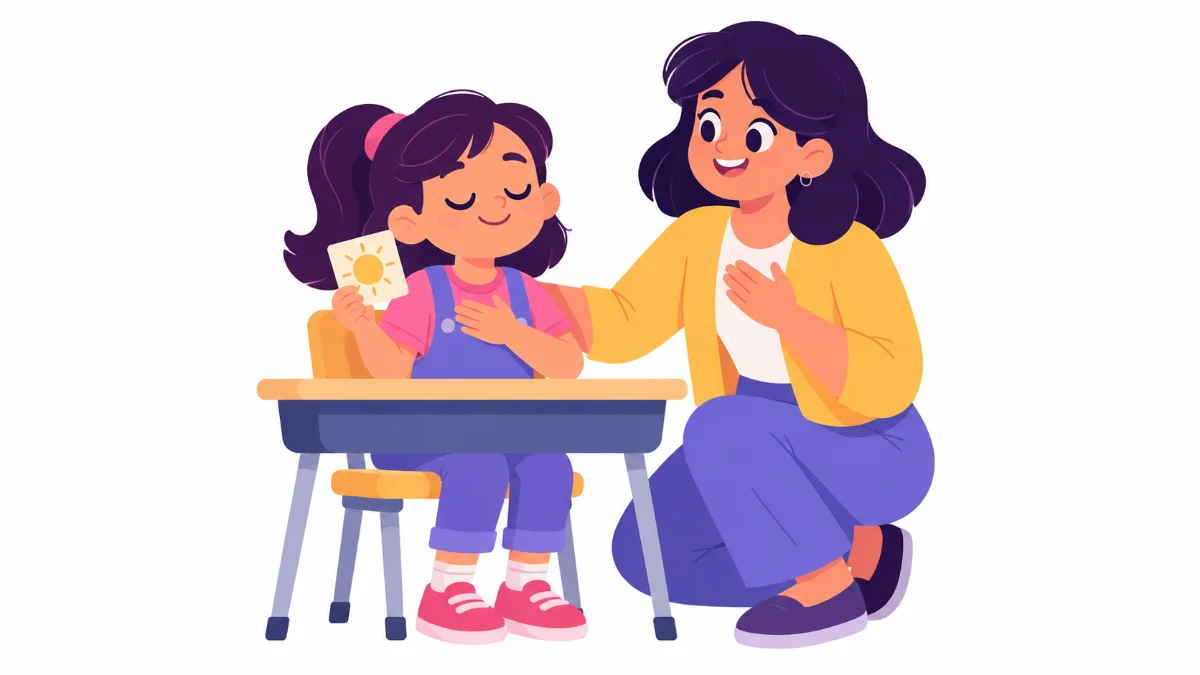

Calming tools for anxiety help children’s bodies and brains feel safe and steady when worry takes over. Picture a third grader who freezes before a spelling test, complains of a stomach ache, and asks to call home. The worry is real, and so is the body’s response. What helps is a small set of tools the child already knows how to use.
This guide gives you five steps to teach calming tools for anxiety: understand what anxiety looks like, introduce seven families of tools, build a personal toolkit, practice and use the tools in anxious moments, and adjust the environment while reviewing progress. By the end, you will have a practical plan for one child or a whole class.
Examples are fictional. Adapt to the student’s goals and agreed supports. This is guidance, not a diagnosis.
At a glance
- Anxiety is not a failure. It is the body saying, “I need support.”
- Tools fall into families: breathing, grounding, movement, thinking, sensory, social, and environmental.
- A personal toolkit of a few favorites is easier to use than a long list.
- Tools work best when practiced during calm times.
- Small changes to the environment can prevent some anxious moments.
1. Understand what anxiety looks like in children
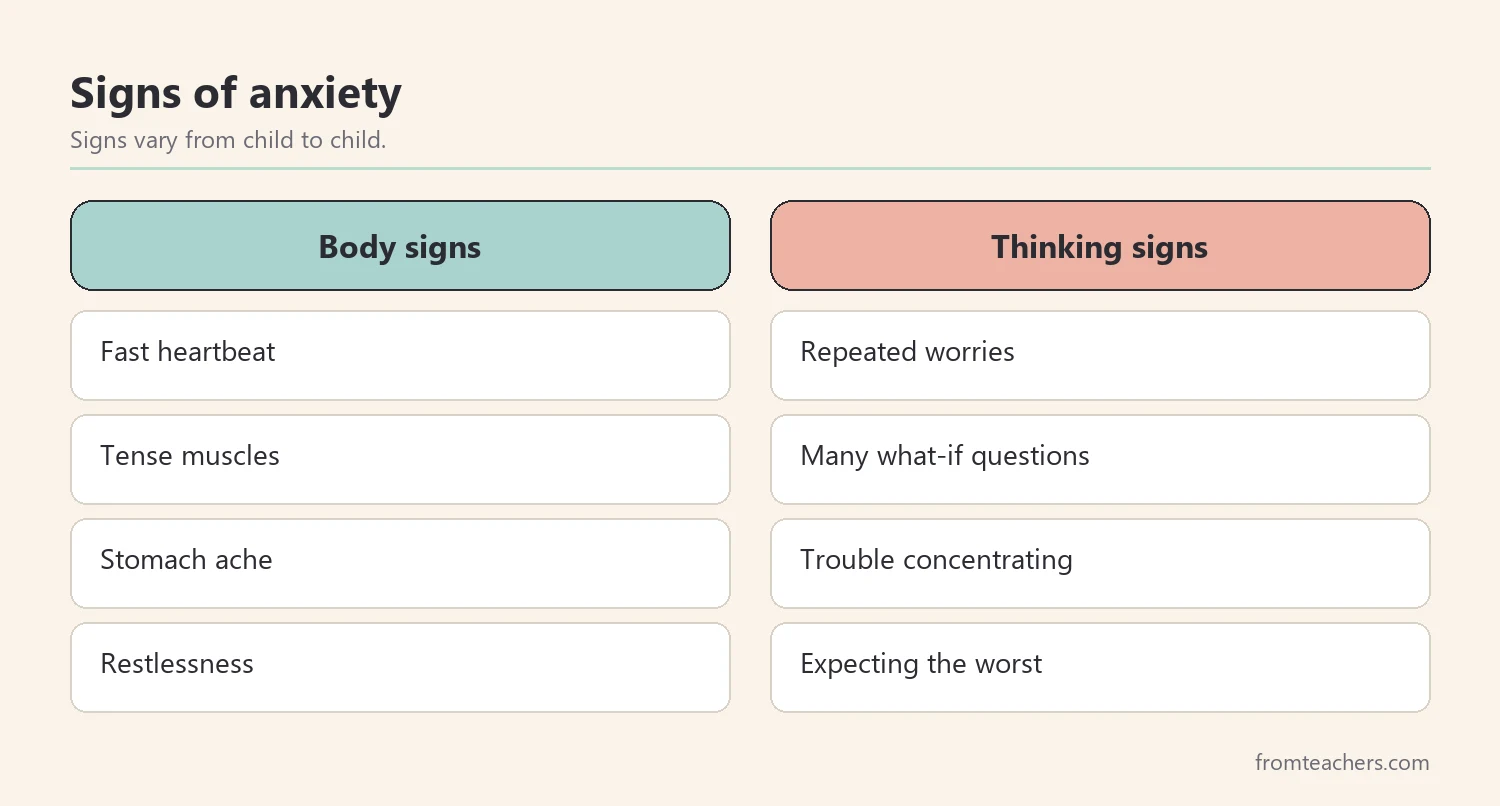
First, recognize the signs. Anxiety can show up in the body and in thinking. Body signs might include a fast heartbeat, tense muscles, a stomach ache, or restlessness. Thinking signs might include repeated worries, “what if” questions, or trouble concentrating.
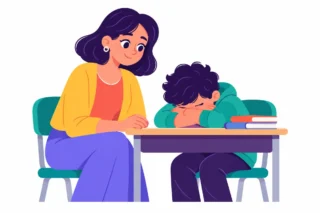
Next, notice behavior. Some anxious children cry, cling, or ask many questions. Others go quiet, avoid tasks, or ask to leave the room. Avoidance can look like defiance, so it helps to ask, “Could this be worry?” before deciding how to respond.
Also, speak about anxiety kindly. A simple message helps children: anxiety is not a failure, and it is the body’s way of saying it needs support. When children hear this, they are more willing to use calming tools for anxiety instead of hiding their worries.
In addition, look for patterns. When does worry appear? Before tests, at drop-off, during transitions, or in noisy places? Patterns help you choose the right tools and plan ahead.
Then, work with the team. School counselors, families, and other professionals may already have information or plans. Calming tools for anxiety in the classroom should fit alongside any supports already agreed.
Finally, remember that worry is common. Many children feel anxious at times, especially during changes, tests, or new situations. Teaching calming tools for anxiety to a whole class helps the children who worry most without singling them out, and it gives every student skills they can use later in life.
Worked example. Sofia is a fictional grade 3 student who often complains of stomach aches before tests and transitions. Her teacher, Mr. Hale, notices the pattern over two weeks and talks with the school counselor and Sofia’s family. Together, they agree to teach Sofia a few calming tools.
2. Introduce seven families of calming tools for anxiety
Next, give children a map of options. Grouping tools into families makes them easier to remember and choose. Seven practical families are breathing, grounding, movement, thinking, sensory, social, and environmental strategies.
For example, breathing strategies include slow belly breaths and box breathing. Grounding strategies include naming things you see, feel, and hear, or holding a cold object. Movement strategies include walking slowly, stretching, or wall push-ups. Thinking strategies include repeating a calming phrase or breaking a task into smaller steps.
Also, cover the remaining families. Sensory strategies include noise-canceling headphones, a weighted item, or a fidget. Social strategies include telling an adult “I feel anxious” or sitting near a trusted friend. Environmental strategies include moving to a quiet space, lowering lights or noise, or using a visual schedule.
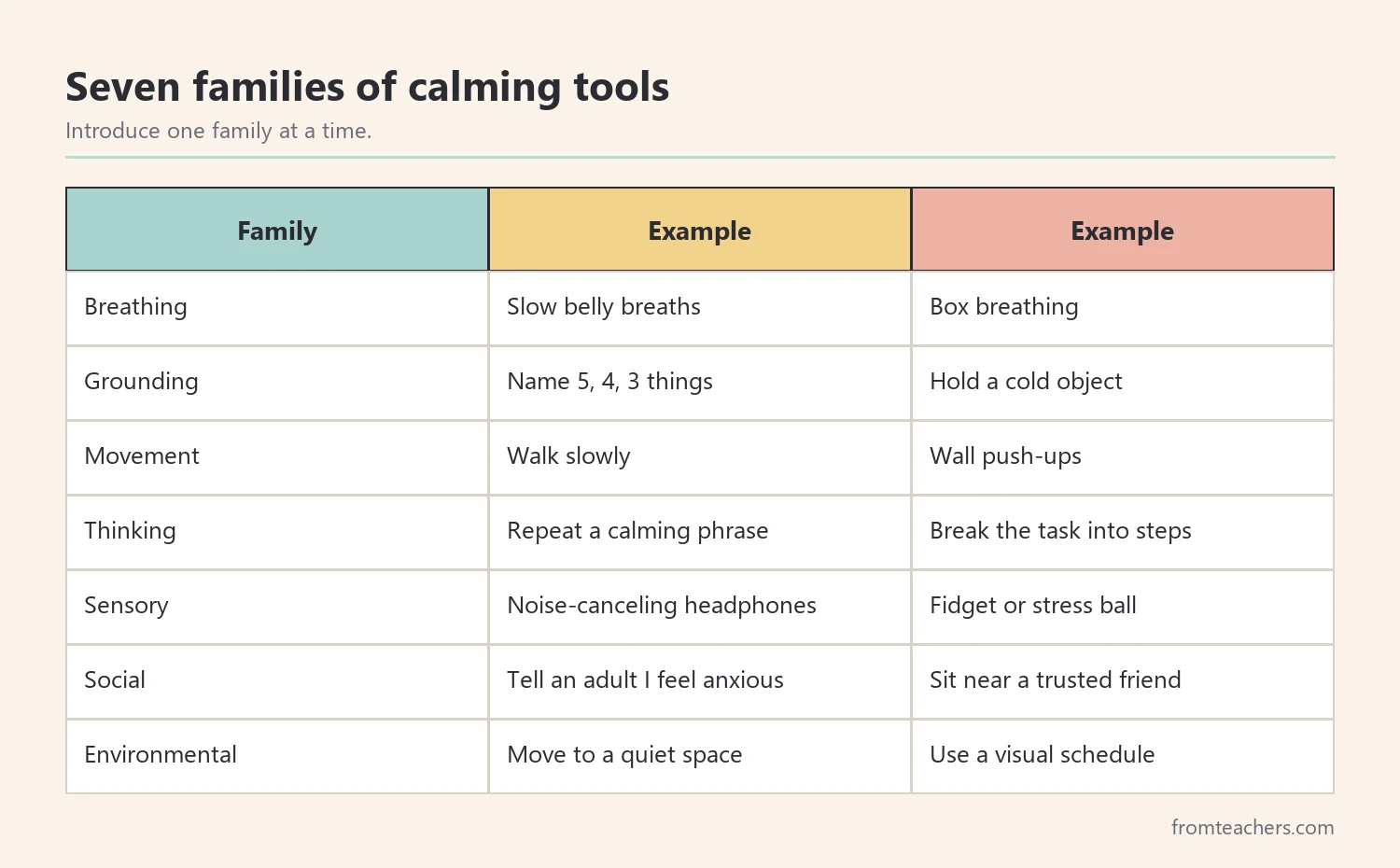
In addition, a single visual helps children see all the options. The anxiety coping strategies poster groups calming tools into seven strategy families that help students’ bodies and brains feel safe and steady, which makes it a useful reference for a calm down corner or counseling office.
Introduce the families slowly
Meanwhile, introduce one family at a time. Spend a few days on breathing, then grounding, and so on. Slow introduction gives children time to try each tool without feeling overwhelmed.
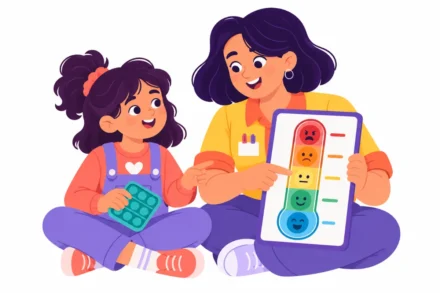
Then, invite children to rate each family. A quick thumbs up, sideways, or down after each practice shows which calming tools for anxiety feel useful. These ratings guide the personal toolkit in the next step, and they remind children that their opinion matters.
Worked example. Mr. Hale introduces one family each week during morning meeting. Sofia enjoys the grounding activity and says naming things she can see “makes my brain stop running.”
3. Build a personal toolkit of calming tools for anxiety
Next, help each child choose favorites. A full poster is great for learning, but a worried child needs a short, familiar list. Ask the child to pick three or four tools, ideally from different families, so they have options for different situations.
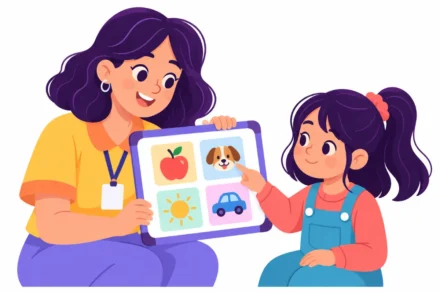
Also, write the toolkit down. A small card, a page in a planner, or a picture strip on the desk works well. Include a short reminder of how to do each tool, such as “breathe in for 4, out for 4.”
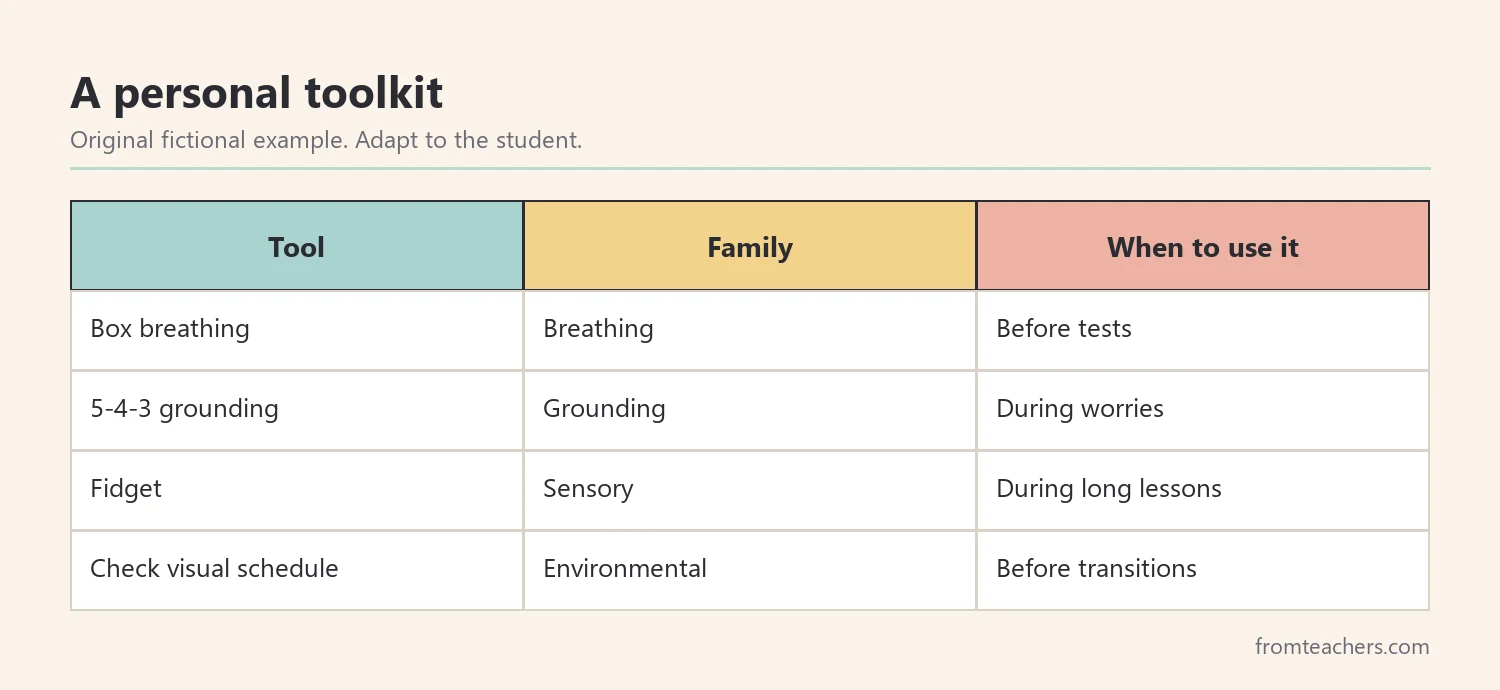
In addition, match tools to situations. A child may use breathing before tests, a fidget during long lessons, and a visual schedule for transitions. Linking calming tools for anxiety to specific moments makes them easier to remember.
Meanwhile, respect choice. A tool that works for one child may feel uncomfortable to another. Some children dislike closing their eyes, while others find certain sounds distracting. Let the child decide.
Also, keep the toolkit portable. A card on a lanyard, a small page in a pencil case, or a photo on a tablet means the tools travel with the child to music, the library, or the bus line. Worry does not stay in one room, so the reminders should not either.
Then, share the toolkit with adults who support the child. Specialists, substitutes, and family members can prompt the same tools, which helps the child use them across settings.
Worked example. Sofia chooses four tools: box breathing before tests, the 5-4-3 grounding activity during worries, a fidget during long lessons, and checking her visual schedule before transitions. Mr. Hale makes a small card with pictures for each one.
4. Practice calming tools for anxiety and use them in the moment
Next, practice when calm. Children cannot easily learn a new tool in the middle of strong worry. Short daily practice, two or three minutes, builds familiarity so the tool is ready when needed.
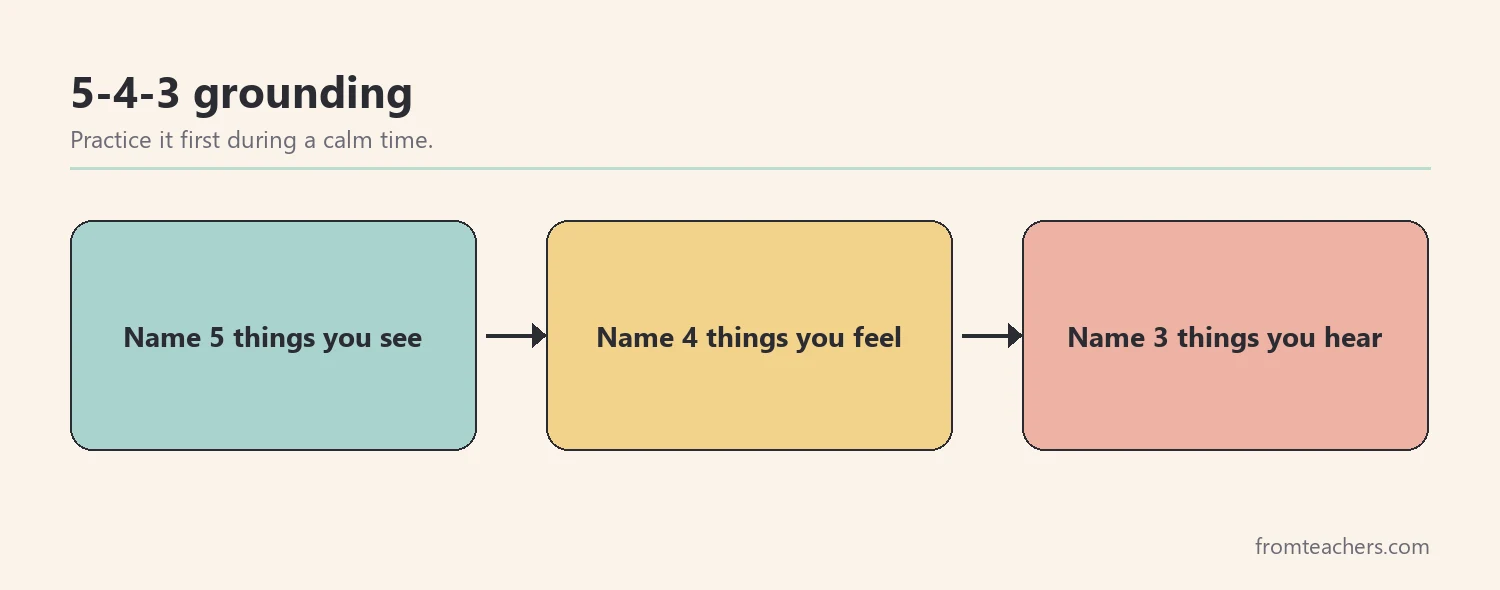
First, practice grounding step by step. One simple version is to name five things you see, four things you feel, and three things you hear. It shifts attention from worried thoughts to the present moment.
Also, prompt calmly in anxious moments. Use few words and point to the card: “Let’s try your box breathing.” Breathe together if the child wants. Avoid long reassurance conversations in the moment. Instead, help the child use a tool, then talk later.
In addition, use thinking tools gently. Repeating a calming phrase such as “I am safe” or “I can handle this” can help. Breaking a big task into smaller steps reduces the feeling of being overwhelmed.
Meanwhile, avoid removing every challenge. Avoiding all worrying situations can make anxiety grow over time. Instead, support the child to face manageable challenges with tools in hand, guided by the team.
Then, plan a short check-in afterward. Once the child feels steady, ask, “Which tool did you use? Did it help?” These brief talks build awareness and confidence. Over time, children begin to choose calming tools for anxiety on their own, without an adult prompt, which is the real goal of all this practice.
Worked example. Before a spelling test, Mr. Hale quietly taps Sofia’s card. She does four rounds of box breathing, then starts the test. Later that week, during a fire drill practice, she uses 5-4-3 grounding while lining up.
5. Adjust the environment and review calming tools for anxiety
Finally, look at the setting. Environmental strategies can prevent some anxious moments. Offer a quiet space, lower noise or lights when possible, give extra time for transitions, and use a visual schedule so the day feels predictable.
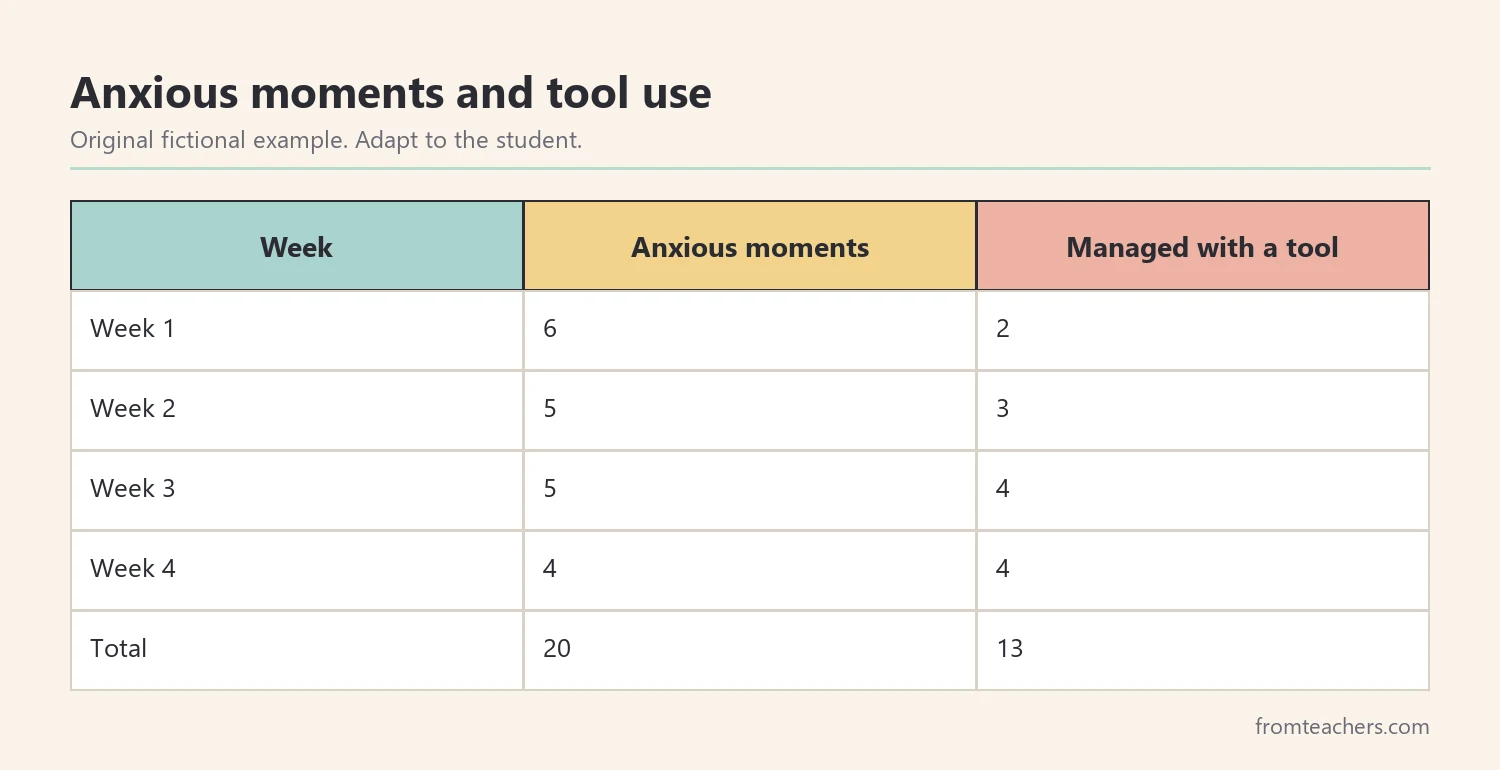
Also, track simple data. Count anxious moments and how many of them the child managed with a tool. Over weeks, the numbers show whether calming tools for anxiety are helping and where more support is needed.
Next, review with the child and family. Ask which tools helped most and which situations remain hard. Adjust the toolkit and the environment based on what you learn.
In addition, celebrate effort. “You used your breathing before the test” is meaningful praise, even if the test was still hard. Children need to know that using a tool is a success in itself.
Meanwhile, plan for known hard moments. If tests, assemblies, or drop-off often bring worry, decide in advance which tool the child will use and where. A small plan made during a calm time is much easier to follow than a decision made in the middle of worry.
Then, know when to ask for more help. If anxiety is frequent, intense, or interferes with daily life, the school counselor or a health professional should be involved.
Worked example. Mr. Hale records Sofia’s anxious moments for four weeks. In week 1, 6 moments and 2 managed with a tool. Week 2 brings 5 moments and 3 with a tool. By week 3, there are 5 moments and 4 with a tool. In week 4, 4 moments and 4 with a tool. That is 20 anxious moments and 13 managed with a tool across the month.
Supporting calm at home
Families can post the child’s toolkit at home and practice one of the calming tools for anxiety each evening. Bedtime and mornings are common worry times, so a short practice then can help.
Also, model tools yourself. Saying “I feel nervous, so I’m going to breathe slowly” shows children that adults use calming tools too.
Common mistakes and how to avoid them
- Teaching tools only during worry. Children cannot learn then. Fix: practice daily when calm.
- Offering too many options. The child freezes. Fix: build a personal toolkit of three or four.
- Long reassurance talks in the moment. Worry can grow. Fix: guide the child to a tool, then talk later.
- Removing every challenge. Anxiety may grow. Fix: support manageable challenges with tools.
- Calling anxiety bad behavior. Children hide it. Fix: name it kindly and offer support.
Questions teachers and parents ask about calming tools for anxiety
Which calming tool works best?
There is no single best tool. Calming tools for anxiety work differently for each child. Different children and situations need different tools. That is why a personal toolkit with options from several families is useful.
How long does it take for tools to help?
It varies. Regular practice usually makes tools easier to use over time. Track progress over several weeks rather than judging after one day.
Can calming tools replace counseling?
No. Calming tools support everyday regulation. Children with significant anxiety may need support from a school counselor or health professional.
What if a child refuses to use a tool?
Try again during a calm time, offer a different tool, and let the child choose. Some children need to see adults model the tool many times first.
Are these tools useful for a whole class?
Yes. Many teachers practice breathing or grounding with the whole class before tests or after recess. This normalizes the tools and helps every student.
Related reading: Managing Sensory Overload: Practical Strategies for Autism and ADHD, Understanding Demand Avoidance and School Refusal: Strategies for PDA-Style Profiles, and Building Stronger School Counseling Programs: A Framework for Student Success.
A companion resource for calming tools for anxiety:
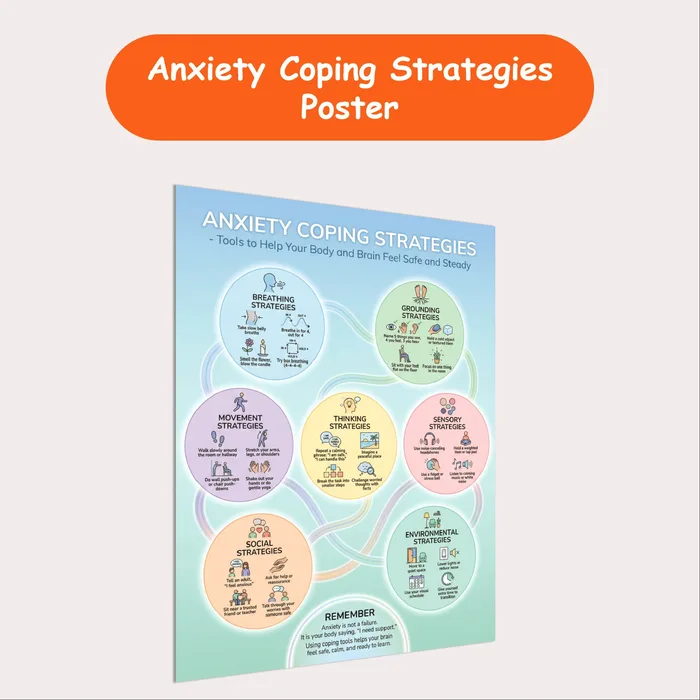
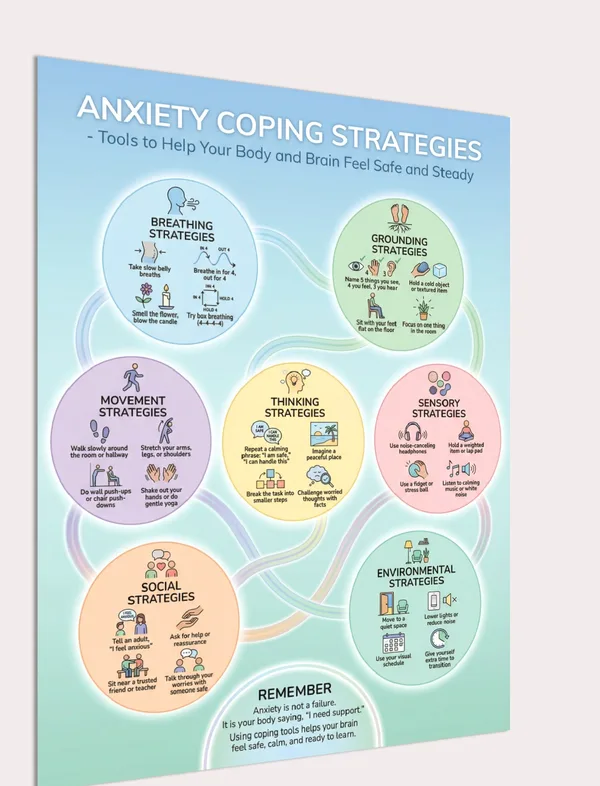
Anxiety Coping Strategies Poster: calming tools grouped into seven strategy families that help students’ bodies and brains feel safe and steady, for calm down corners and counseling offices.
Sources and scope
- Centers for Disease Control and Prevention (CDC): general information on anxiety and children’s mental health.
- National Institute of Mental Health (NIMH): information on anxiety disorders.
- American School Counselor Association: information on the role of school counselors.
- CASEL: resources on social and emotional learning.
This guide covers everyday classroom and home strategies for helping children calm worry. It does not replace mental health care, diagnosis, treatment, or the decisions of a child’s support team.
Key takeaways
- Calming tools for anxiety help the body and brain feel safe.
- Teach seven families, one at a time.
- Build a personal toolkit of three or four favorites.
- Practice daily when calm and prompt briefly in the moment.
- Adjust the environment and review progress with the team.



Leave a Comment