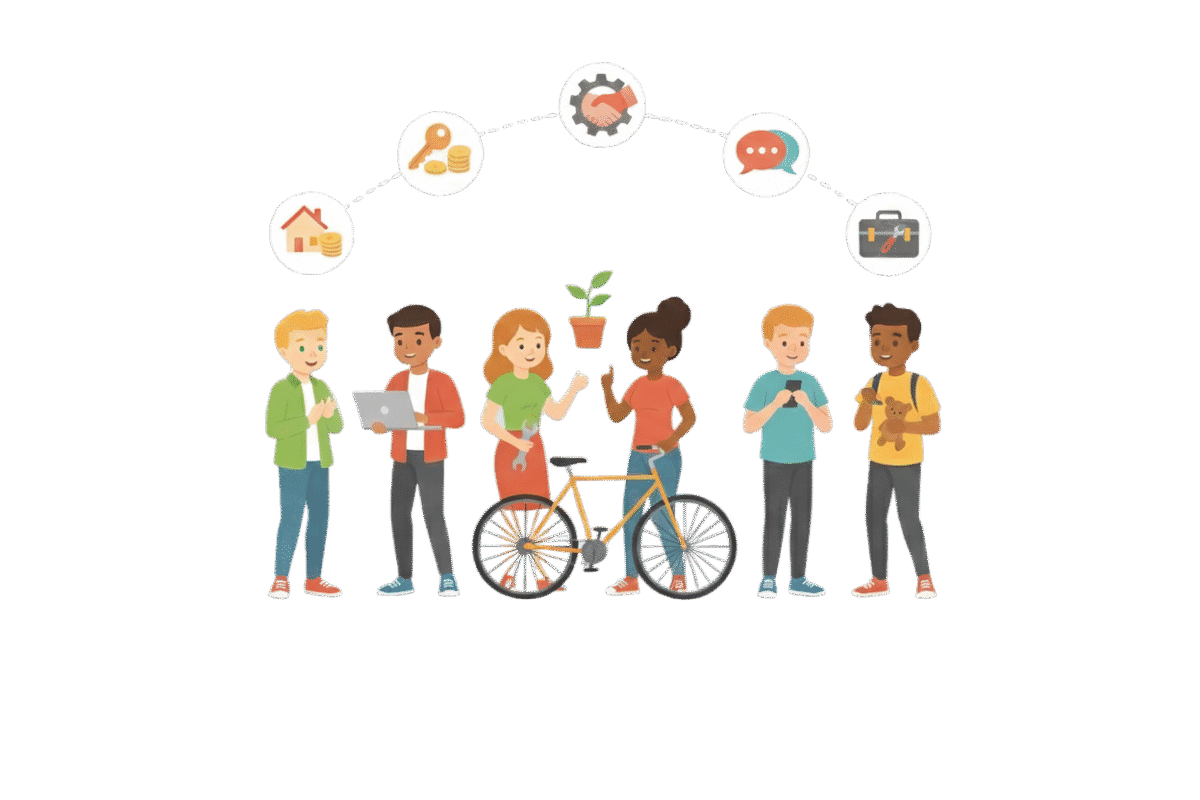

Moving from adolescence to independent living represents a critical developmental period that requires careful preparation and practical ability building. This comprehensive resource provides essential approaches for supporting young people through this important life stage, helping them cultivate self-reliance and assurance. Discover proven methods for making this developmental phase successful and sustainable for all individuals.
Understanding This Developmental Phase
This significant life change involves multiple areas including education, employment, independent living, and community engagement. Effective support requires addressing each domain with targeted methods and practical competency-building strategies.
Get complete guidance: Transition to Adulthood: Independent Living Skills, Community Safety, and Travel
Key Areas for Successful Development
This essential resource addresses critical aspects of personal growth:
- Independent Living Competencies – Managing housing, transportation, and daily routines
- Career Preparation – Exploring employment options and workplace readiness
- Continuing Education – Navigating college, vocational training, and additional learning
- Financial Capability – Budgeting, banking, and money management abilities
- Health Management – Managing healthcare, nutrition, and self-care practices
- Social Connections – Building and maintaining healthy personal relationships
Practical Implementation Approaches
These proven methods support successful personal development:
- Competency Evaluation – Identifying current capabilities and needed skills
- Personalized Roadmaps – Creating individualized plans and timelines
- Community Involvement – Connecting with local resources and support networks
- Guidance Systems – Establishing support from experienced mentors
- Hands-On Experience – Providing practical practice with real-life situations
- Development Tracking – Monitoring progress and adjusting support as needed
The Life Skills Development Guide provides detailed implementation tools for each approach.
Establishing Support Networks
Long-term success during personal development requires:
- Family Participation – Engaging parents and caregivers as active partners
- Professional Teamwork – Collaborating with educators, counselors, and service providers
- Local Resource Access – Connecting with community programs and support services
- Peer Support Systems – Establishing connections with others in similar situations
- Continuous Assessment – Regularly evaluating progress and making adjustments
Your Complete Development Resource
This essential Life Skills Development Guide by Berchid Walid includes:
- Comprehensive assessment instruments
- Individualized planning templates and worksheets
- Skill-building exercises and instructional plans
- Community resource directories and connection guides
- Progress tracking and evaluation forms
- Professional development materials for support providers
Support successful development today! Get the Life Skills Guide
For more resources on personal growth and youth development, visit our educational blog where we explore independent living strategies and career preparation techniques.

Leave a Comment