
Introduction
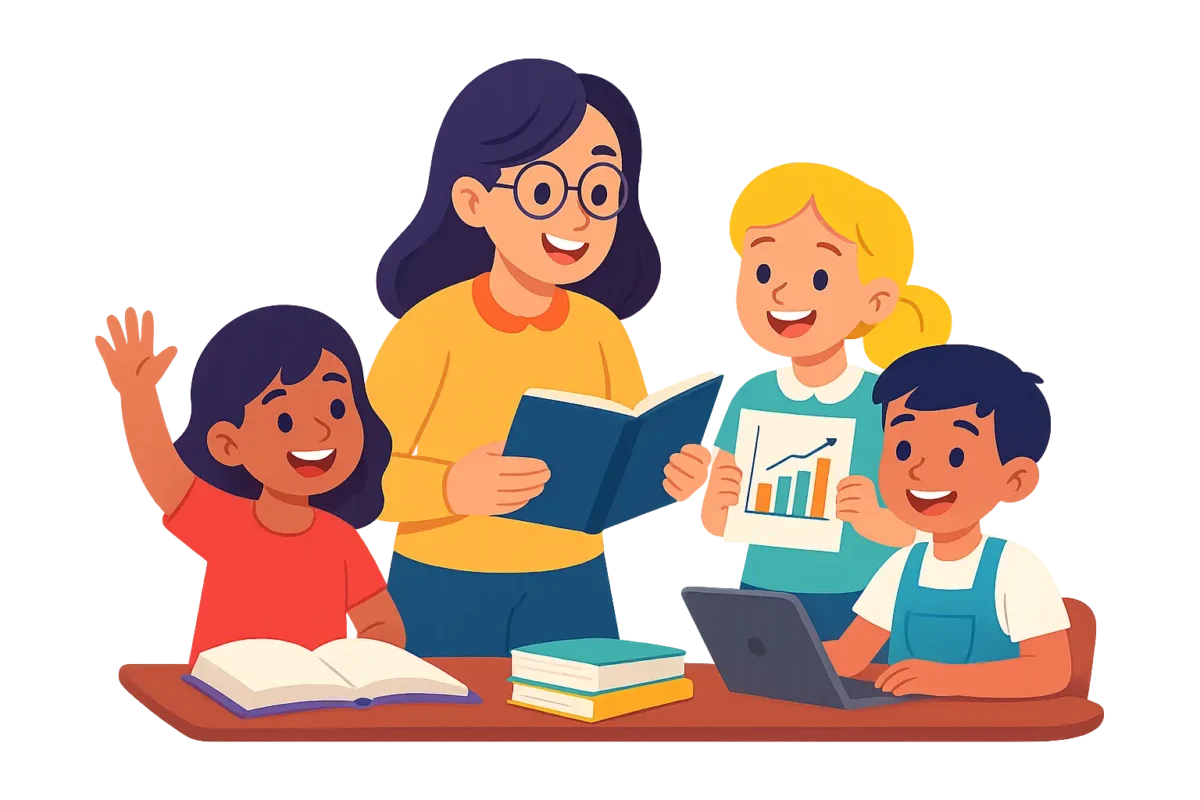
Teaching in special education is a rewarding but challenging journey. Every student has unique strengths, challenges, and needs, which means educators must adapt constantly. Without a plan, the classroom can feel overwhelming. With the right special education strategies, however, learning becomes inclusive, engaging, and effective.
That’s where the Comprehensive Guide for Special Education Teachers: Strategies and Tools comes in. This resource is packed with ready-to-use templates, behavior charts, lesson planning tools, and organizational checklists designed to save time and boost classroom success.
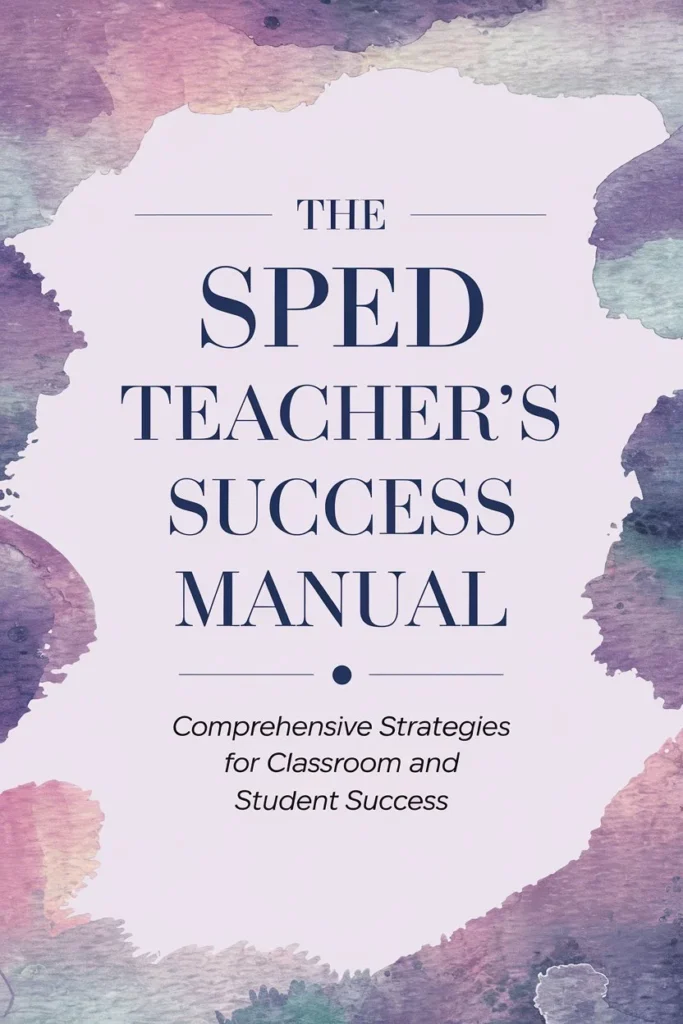
In this article, we’ll share 10 practical strategies for special education teachers covering classroom management, inclusion, lesson planning, and professional growth. Many of these strategies are supported by research and evidence-based practices, which also show up in the guide.
Building Inclusive Classrooms with Special Education Strategies
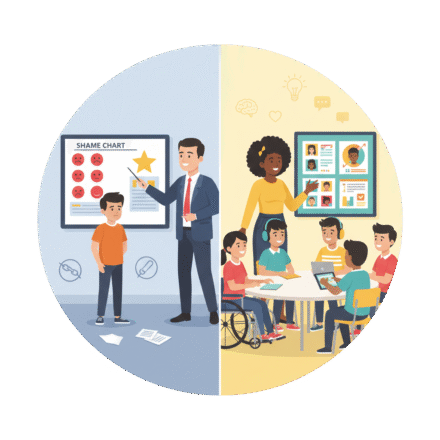
Designing Student-Centered Environments
A strong classroom environment is foundational. Teachers can use visual schedules, peer support systems, and flexible seating to make students feel safe and competent. Along these lines, inclusive teaching strategies help address diverse learning modalities and support belonging. Center for Teaching Innovation+1
Differentiating Instruction for Diverse Learners
Differentiated instruction is one of the strongest special education strategies. Research shows that tailoring content, process, and product to learners’ readiness, interests, and learning profiles improves outcomes. NASET+1
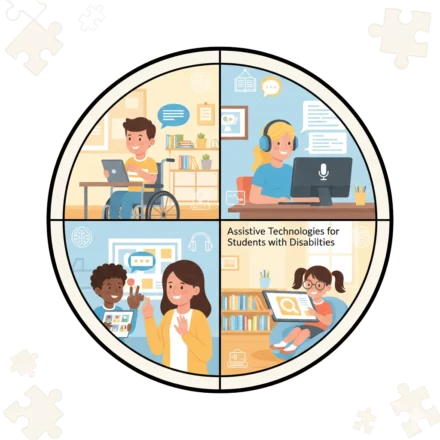
This can include using multi-sensory formats, scaffolded tasks, tiered assignments, and technology supports.
Behavior Support Through Special Education Strategies
Proactive Classroom Management
Behavior doesn’t simply require reaction. Establish routines, clarify expectations, and embed positive reinforcement to prevent many behavior issues. Tools such as behavior trackers, visual reminders, and explicit behavioral teaching help make these strategies concrete. Positive Action+1
Developing Individualized Behavior Plans
When behaviors persist, a Behavior Intervention Plan (BIP) becomes essential. A BIP relies on a Functional Behavior Assessment (FBA) to identify triggers, teach replacement behaviors, and monitor progress. This personalized strategy is central in many special education frameworks.
Tools That Strengthen Teaching in Special Education
Organizational Checklists for Teachers
Special education teachers juggle IEPs, progress monitoring, accommodations, and lesson prep. Using daily checklists, progress logs, assignment trackers, and shared calendars helps maintain consistency across responsibilities.
Lesson Planning with UDL Principles
Universal Design for Learning (UDL) ensures lessons are accessible to all learners by offering multiple means of representation, engagement, and expression. The guide provides sample lesson plans built around UDL to help you scaffold lessons across levels of support.
Collaboration: Key to Effective Special Education Strategies
Partnering with Parents
Parents bring deep insights into their child’s strengths, history, behavior at home, and more. Maintain regular communication, use progress summaries, and invite parent feedback to build consistent support across environments.
Making IEP Meetings Successful
IEP meetings should center student strengths, use data, and collaborate with parents to write SMART goals. The guide includes templates and checklists for structuring productive IEP sessions.
Teamwork with Support Staff
Collaboration between general education teachers, special educators, paraprofessionals, therapists, and related services is vital. Co-planning, shared data logs, and regular check-ins foster coherence and consistency in implementing strategies. Edutopia+1
Sustainable Special Education Strategies for Teachers
Managing Stress and Avoiding Burnout
Teaching in special education can be emotionally taxing. Self-care strategies like scheduled short breaks, reflection journals, peer support, and setting boundaries are essential to longevity in this profession.
Building Professional Communities
No teacher should work in isolation. Joining associations such as the Council for Exceptional Children (CEC), local SPED groups, or online forums connects you with peers, ideas, and ongoing support.
Lifelong Growth and Training
Ongoing professional development—via workshops, online courses, webinars, and evidence-based research—ensures you stay current. Using research and evidence-based practices (EBPs) keeps your strategies grounded in effective methods. Arkansas State University Online+1
Why the Comprehensive Guide for Special Education Teachers Is a Must-Have
If these strategies resonate with you, imagine having a complete resource that covers them all in depth—behavior plans, IEP tools, lesson frameworks, progress monitoring, and more. That’s exactly what the Comprehensive Guide for Special Education Teachers: Strategies and Tools offers.
Inside you’ll find:
- Behavior support tools like trackers, intervention plan templates, and data sheets
- Printable templates for organization, progress tracking, accommodations, and lesson planning
- Parent communication forms for progress reports, IEP updates, and home-school collaboration
- Self-care checklists to help sustain your well-being as a teacher
👉 Ready to dig deeper? Get the guide on Teachers Pay Teachers and gain access to classroom-tested strategies.
Frequently Asked Questions
What are the most effective special education strategies?
Research highlights strategies such as differentiated instruction, explicit teaching, behavior intervention, and inclusive practices as highly effective. AbleSpace+1
How do I manage classroom behavior in SPED?
Use clear expectations, consistent routines, visual cues, and reinforcement systems. For persistent behaviors, develop a Behavior Intervention Plan (BIP).
How do I plan lessons for students with diverse needs?
Use UDL and differentiation, scaffold tasks, offer choice, and embed supports like graphic organizers or assistive tech.
What are evidence-based practices in special education?
EBPs are strategies grounded in peer-reviewed research and data showing positive student outcomes. Arkansas State University Online+1
How can teachers reduce stress and avoid burnout?
Use reflective practices, collaborate with peers, establish routines, and prioritize self-care.
Why should I invest in the Comprehensive Guide?
It consolidates the best strategies, templates, and planning tools into one resource, saving you time and helping you apply research-based methods with clarity.
Conclusion
Special education teachers hold a vital role in making learning accessible, meaningful, and equitable. With thoughtful special education strategies, classrooms become inclusive, behavior becomes manageable, and instruction becomes more adaptive.
These 10 strategies are just the beginning. For in-depth guidance, ready-to-use tools, and research-aligned support, the Comprehensive Guide for Special Education Teachers: Strategies and Tools is your next step.
👉 Click here to explore the guide and transform your teaching approach.




Leave a Comment