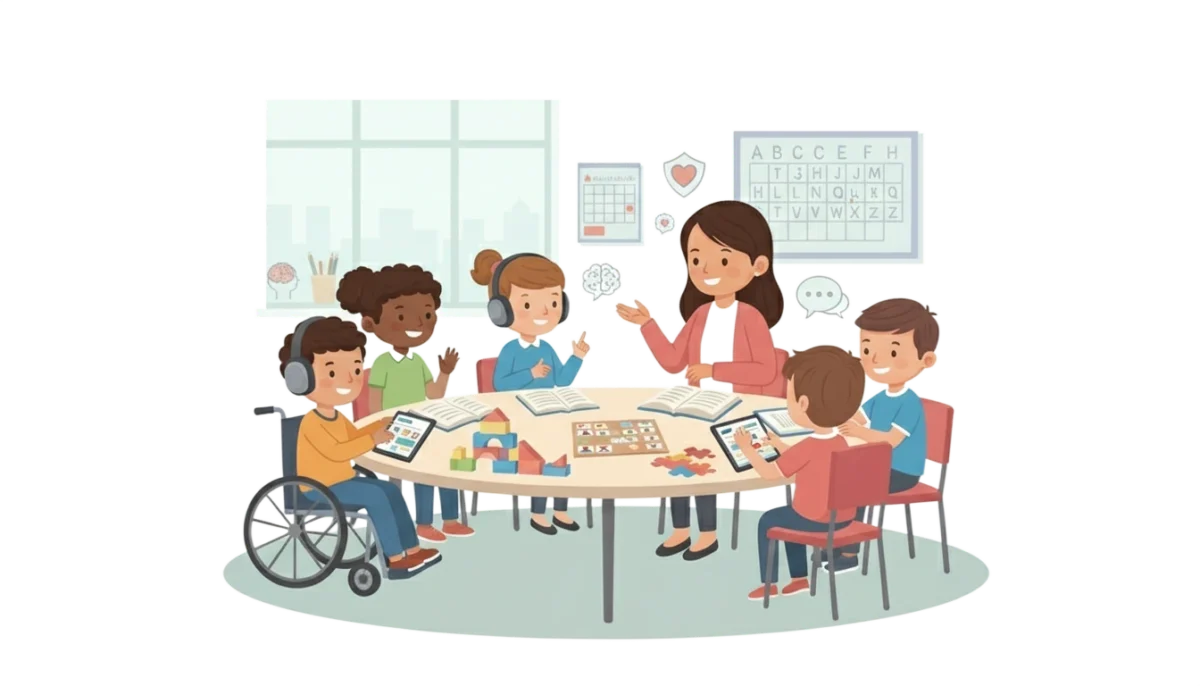

What is special education? If you’re a parent, teacher, or caregiver, understanding this tailored approach to learning is the first step to advocating for a child’s success. Special education is not a separate place for students with severe disabilities; it’s a dynamic system of support and specially designed instruction that ensures every child, regardless of their unique challenges, has access to a free and appropriate public education. This comprehensive guide will break down the purpose, laws, and processes that define special education, empowering you with the knowledge to navigate this essential journey.
What is Special Education? Beyond the Definition
At its core, special education is specially designed instruction to meet the unique needs of a child with a disability. It’s not a “one-size-fits-all” program but rather a highly individualized approach. The key word here is “individualized.” This means the teaching methods, materials, and learning environment are adapted to help the student succeed academically, socially, and emotionally.
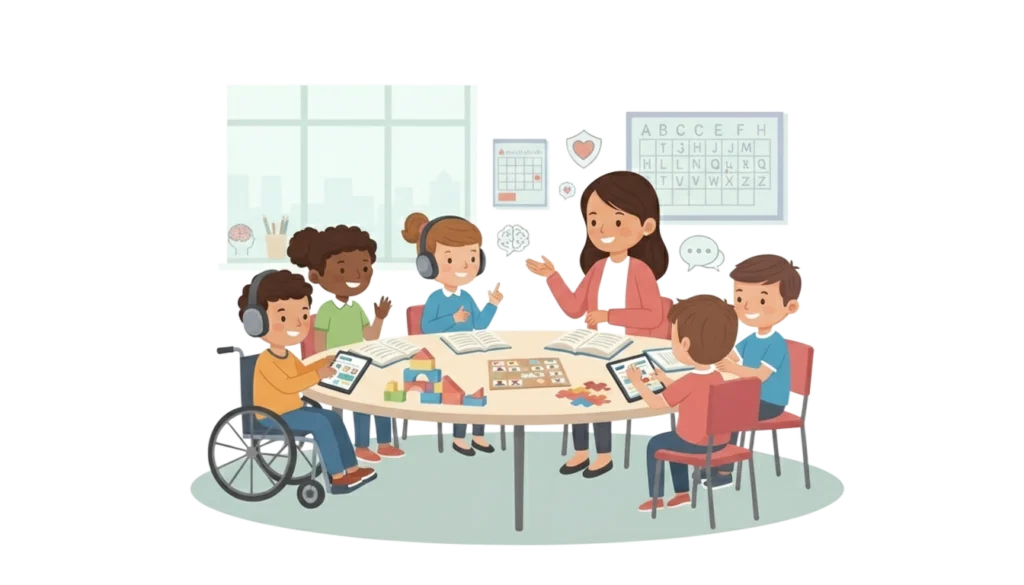
Special education is not a place; it’s a set of services and supports that can be provided in various settings, most often in the general education classroom alongside peers. For ready-to-use resources that support this individualized learning, check out my Special Education resources on Teachers Pay Teachers.
The Purpose and Goal of Special Education
The ultimate goal of special education is not to separate children, but to level the playing field. It aims to:
- Provide students with the tools and strategies they need to overcome their specific challenges.
- Prepare them for further education, employment, and independent living.
- Ensure they have the same opportunities to learn and grow as their peers.
In short, its purpose is to bridge the gap between a child’s current abilities and the requirements of the standard curriculum.
The Legal Backbone: IDEA
In the United States, special education is governed by a federal law called the Individuals with Disabilities Education Act (IDEA). This crucial law mandates:
- Free Appropriate Public Education (FAPE): All eligible children with disabilities must receive a free education tailored to their needs at public expense.
- Individualized Education Program (IEP): Each child must have a written, customized plan outlining their goals, services, and placement.
- Least Restrictive Environment (LRE): Students must be educated with their non-disabled peers to the maximum extent appropriate.
- Parent and Student Participation: Parents and (when appropriate) the student are integral members of the decision-making team.
Who Qualifies for Special Education?
To be eligible, a child must have a diagnosed disability that adversely affects their educational performance. IDEA lists 13 specific disability categories, including:
- Autism Spectrum Disorder (ASD)
- Specific Learning Disability (e.g., Dyslexia, Dyscalculia)
- Speech or Language Impairment
- Other Health Impairment (e.g., ADHD)
- Emotional Disturbance
- Intellectual Disability
Having a diagnosis does not automatically qualify a student; the school team must determine that the disability creates a need for specialized instruction. For a deeper dive, you can read our blog post on Understanding the 13 Categories of IDEA.
The Step-by-Step Process: From Referral to IEP
The journey into special education typically follows these steps:
- Referral: A parent, teacher, or doctor expresses concern in writing about a child’s academic or behavioral progress.
- Evaluation: The school conducts a comprehensive evaluation to assess the child’s needs and determine eligibility. Parental consent is required.
- Eligibility Determination: A team, including the parents, reviews the evaluation results to decide if the child qualifies under one of IDEA’s categories.
- IEP Development: If the child is eligible, the team meets to write the Individualized Education Program (IEP). This is the heart of special education.
- Implementation: The school puts the IEP into action, providing the specified services and supports.
- Annual Review & Reevaluation: The IEP is reviewed and updated at least once a year. A full reevaluation happens every three years to see if the child continues to need services.
What is an IEP? The Heart of Special Education
The Individualized Education Program (IEP) is a legally binding document that acts as the blueprint for a child’s learning plan. It outlines:
- The child’s present levels of academic and functional performance.
- Measurable annual goals.
- The special education services the child will receive (e.g., speech therapy, reading instruction).
- The percentage of time the child will spend in general education vs. a separate setting (LRE).
- Accommodations (e.g., extended time on tests) and Modifications (e.g., reduced assignments).
To help you prepare, check out our Free IEP Meeting Checklist for Parents. Hpecial Education
- Myth: Special education is only for students with severe cognitive disabilities.
- Fact: It serves a wide range of needs, from mild learning disabilities to significant physical impairments.
- Myth: Students in special education are separated from their peers.
- Fact: The law requires that students learn in the Least Restrictive Environment, and most are in general education classrooms for most of the day.
- Myth: An IEP is a label that will follow a child forever.
- Fact: An IEP is a tool for support. Services can change as the child’s needs change, and students can exit special education when they no longer require it.
Conclusion: Empowerment Through Understanding
Special education is a powerful commitment to educational equity. It’s a promise that we will meet children where they are and provide them with the unique support they need to thrive. Understanding what special education is and how it works is the first step toward advocating for the children who depend on it.
Whether you are a parent beginning this journey or a community member seeking to be better informed, remember that special education is about unlocking potential, one child at a time. To find practical worksheets, visual aids, and complete lesson plans designed for diverse learners, explore my collection of resources in my Special Education TPT Store.




Leave a Comment