

Developing effective school counseling programs is essential for supporting student achievement, mental health, and post-secondary readiness. This comprehensive guide provides a proven framework for building stronger school counseling programs that deliver measurable results. Discover how to create comprehensive school counseling programs that address academic, career, and social-emotional development for all students.
The Foundation of Effective School Counseling
Strong school counseling programs are built on comprehensive frameworks that address the needs of the whole child. Modern school counseling programs must be data-driven, collaborative, and aligned with educational standards to effectively support student growth and development.
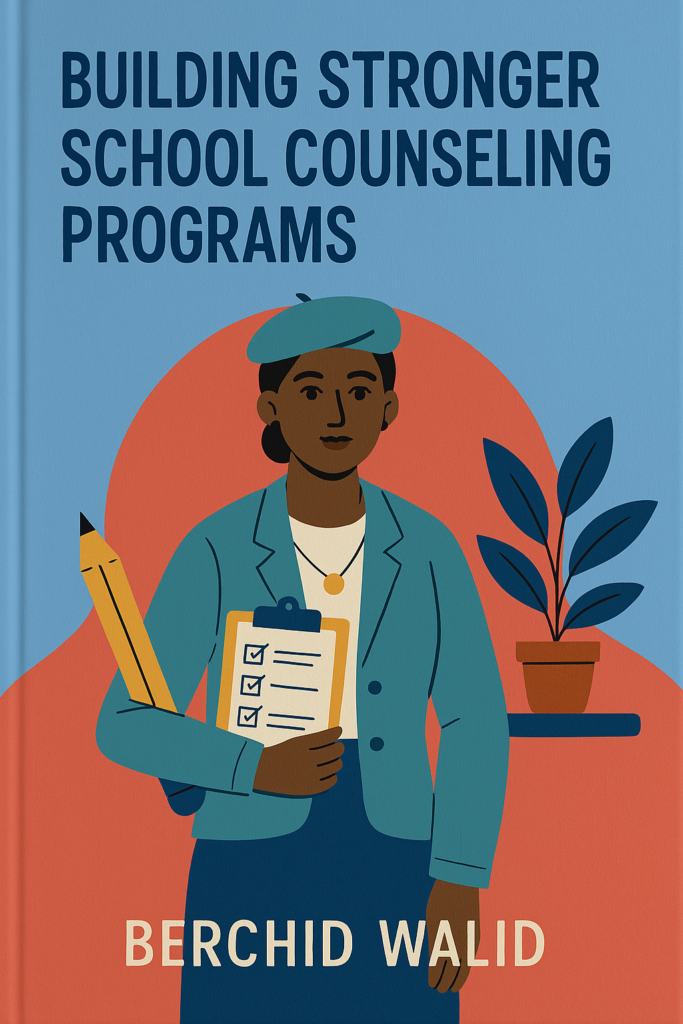
Get the complete framework: Building Stronger School Counseling Programs
Key Components of Successful Counseling Programs
Building stronger school counseling programs requires attention to these essential elements:
- Comprehensive Planning – Developing year-long programs with clear goals and objectives
- Data-Driven Decision Making – Using assessment results to guide program development
- Multi-Tiered Support Systems – Providing layered interventions based on student needs
- Collaborative Partnerships – Working with teachers, administrators, and families
- Evidence-Based Practices – Implementing strategies proven to achieve results
- Continuous Evaluation – Regularly assessing program effectiveness and making improvements
Implementing Comprehensive Program Frameworks
These proven strategies help in building stronger school counseling programs:
- Needs Assessment – Identifying specific student and school requirements
- Program Mapping – Creating detailed implementation plans and timelines
- Curriculum Development – Designing classroom lessons and small group activities
- Resource Allocation – Optimizing staff, time, and material resources
- Stakeholder Engagement – Involving all partners in program development
- Professional Development – Ensuring counselor growth and skill enhancement
The School Counseling Programs Guide provides detailed templates for each of these program components.
Measuring Program Success and Impact
Strong school counseling programs demonstrate their value through:
- Academic Outcomes – Tracking student achievement and growth data
- Behavioral Metrics – Monitoring attendance, discipline, and engagement
- College and Career Readiness – Measuring post-secondary planning success
- Social-Emotional Growth – Assessing student well-being and development
- Stakeholder Satisfaction – Gathering feedback from students, families, and staff
Your Complete School Counseling Resource
This essential School Counseling Programs Guide by Berchid Walid includes:
- Program development templates and planning tools
- Needs assessment surveys and data collection forms
- Curriculum maps and lesson plan templates
- Evaluation tools and outcome measurement guides
- Professional development resources and training materials
- Stakeholder communication templates and engagement strategies
Transform your counseling program today! Get the School Counseling Programs Guide






Leave a Comment