
Traditional approaches like shame-based discipline and behavior charts that backfire often damage student-teacher relationships and undermine long-term behavior change. This essential guide provides positive behavior management alternatives that replace punitive methods with connection-based strategies. Discover how moving beyond rejecting disciplinary approaches can create classrooms built on trust, respect, and genuine cooperation.
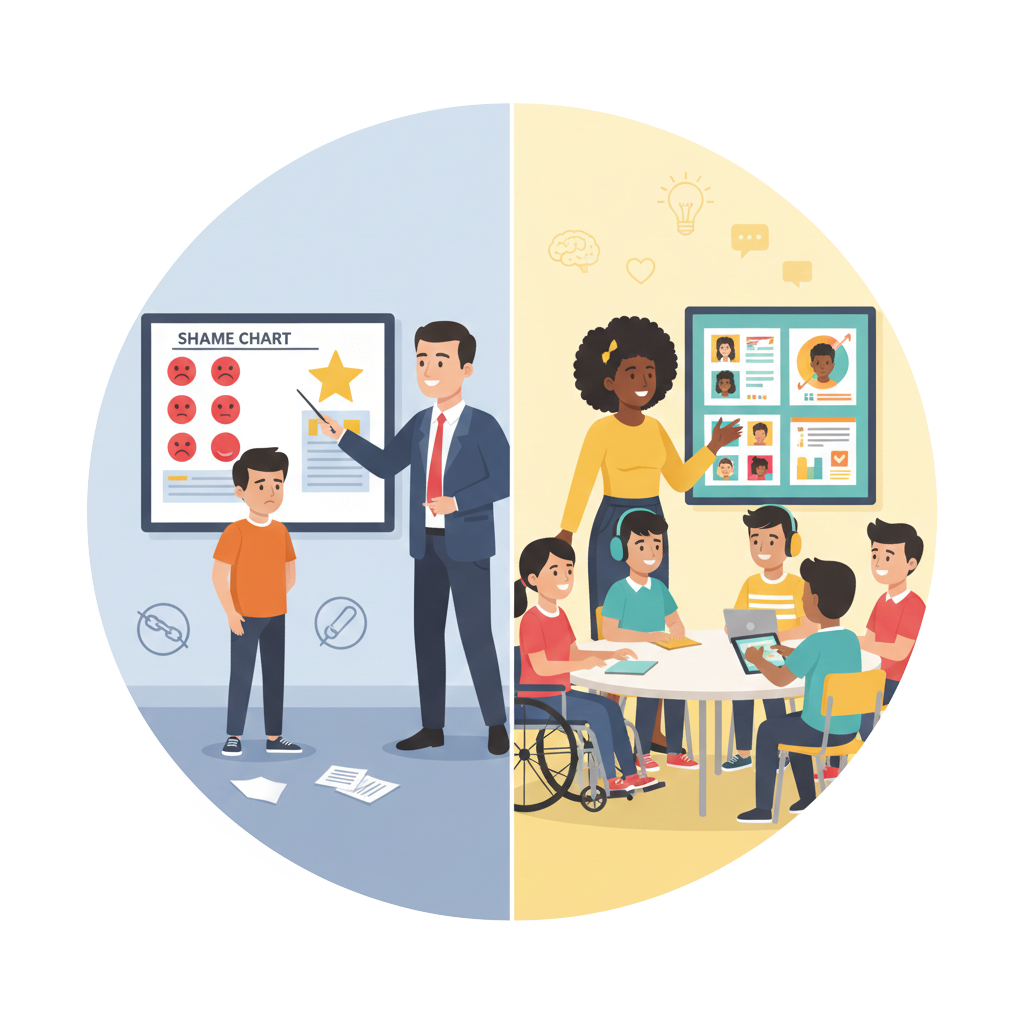
The Problem with Traditional Behavior Management
Many common classroom management approaches inadvertently rely on shame and rejection that can:
- Damage student self-esteem and intrinsic motivation
- Create power struggles rather than cooperation
- Focus on compliance rather than skill development
- Lead to behavior charts that backfire by publicly highlighting struggles
- Undermine the trusting relationships essential for learning
Get transformative strategies: Shame, Rejection, and Behavior Charts That Backfire Guide
Why Traditional Methods Often Fail
Common pitfalls of ineffective behavior management include:
- Public Shaming – Using charts that highlight negative behavior publicly
- One-Size-Fits-All Approaches – Ignoring individual needs and circumstances
- Focus on Punishment – Emphasizing consequences over teaching alternatives
- External Motivation Only – Relying on rewards rather than building internal regulation
- Relationship Damage – Creating adversarial rather than collaborative dynamics
Positive Alternatives That Work
These evidence-based behavior management alternatives create sustainable change:
- Proactive Relationship Building – Investing in connections before challenges arise
- Teaching Replacement Behaviors – Explicitly instructing expected skills
- Private Problem-Solving – Addressing concerns individually and confidentially
- Collaborative Solutions – Involving students in creating behavior plans
- Trauma-Informed Approaches – Recognizing underlying needs driving behavior
- Strengths-Based Focus – Highlighting what students do well
The Positive Behavior Management Guide provides detailed implementation plans for each alternative approach.
Building a Supportive Classroom Culture
Replace shame and rejecting approaches with:
- Unconditional Positive Regard – Separating behavior from personal worth
- Mistakes as Learning Opportunities – Normalizing and learning from errors
- Community Responsibility – Building collective classroom norms
- Emotional Coaching – Teaching regulation skills alongside academics
- Restorative Practices – Repairing harm and rebuilding relationships
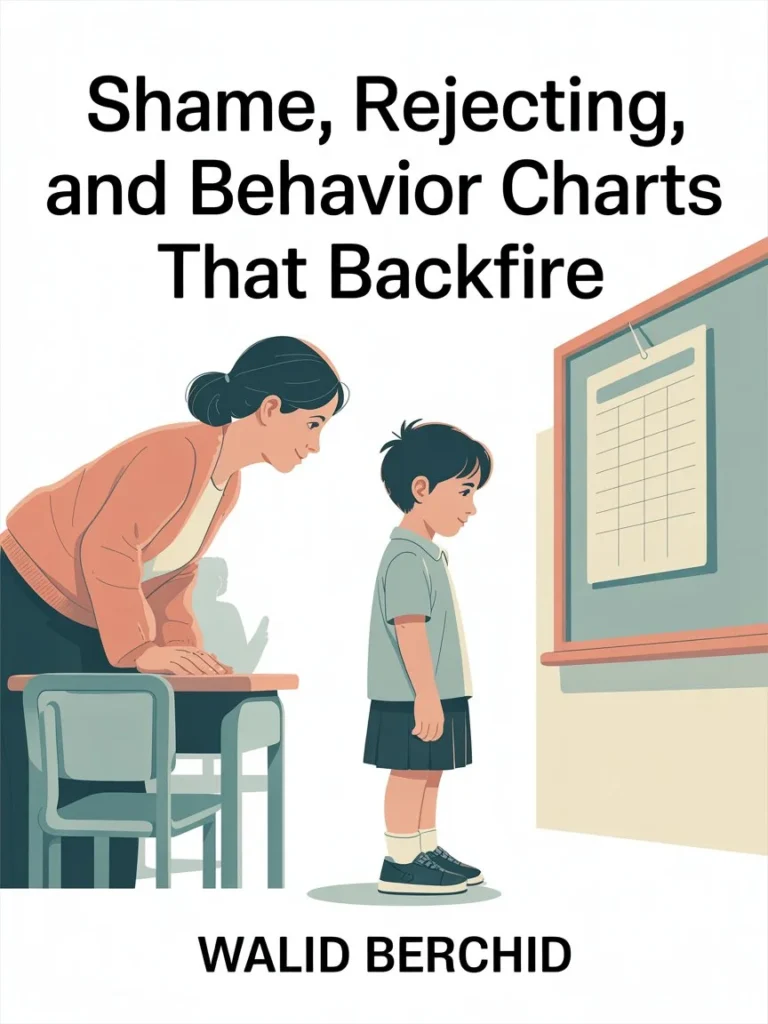
Your Complete Positive Management Resource
This essential Positive Behavior Management Guide by Walid Berchid includes:
- Step-by-step plans for transitioning away from punitive methods
- Relationship-building activities and connection strategies
- Skill-teaching lesson plans for common behavior challenges
- Collaborative problem-solving templates and guides
- Alternative assessment tools for understanding behavior
- Professional development resources for staff training
Transform your classroom management today! Get the Positive Management Guide









Leave a Comment