
Navigating autistic burnout and school exhaustion is critical for supporting the mental health and academic success of autistic students. This comprehensive guide provides educators and parents with essential strategies for preventing autistic burnout and addressing school exhaustion in neurodivergent learners. Discover how recognizing early signs and implementing supportive burnout prevention approaches can create sustainable learning environments.

What is Autistic Burnout?
Autistic burnout refers to a state of physical, mental, and emotional exhaustion experienced by many autistic individuals, often triggered by the cumulative effects of masking and coping with overwhelming environments. School exhaustion represents the educational manifestation of this burnout, where academic demands exceed available coping resources. Understanding this neurodivergent burnout is essential for creating supportive educational approaches.
Get comprehensive strategies: Autistic Burnout and School Exhaustion Guide
Recognizing Signs of Autistic Burnout
Key indicators of autistic burnout and school exhaustion include:
- Increased Sensory Sensitivity – Heightened reactions to lights, sounds, or textures
- Executive Function Decline – Difficulty with organization, planning, and task initiation
- Social Withdrawal – Reduced desire or ability to interact with others
- Skill Regression – Temporary loss of previously mastered abilities
- Chronic Fatigue – Persistent exhaustion despite adequate rest
- Increased Meltdowns/Shutdowns – More frequent or intense regulatory episodes
Prevention Strategies for School Settings
These evidence-based approaches prevent autistic burnout in education:
- Sensory Accommodations – Creating low-stimulus learning environments
- Predictable Routines – Establishing clear, consistent daily structures
- Masking Reduction – Allowing authentic autistic expression
- Energy Budgeting – Balancing academic and recovery time
- Choice and Control – Providing autonomy in learning approaches
- Recovery Spaces – Designated quiet areas for regulation
The Autistic Burnout Guide provides detailed implementation plans for each prevention strategy.
Support During Burnout Episodes
When autistic burnout occurs, effective support includes:
- Reduced Demands – Temporarily lowering academic expectations
- Flexible Attendance – Accommodating partial days or breaks
- Alternative Assessments – Adjusting evaluation methods
- Therapeutic Support – Access to appropriate counseling services
- Home-School Collaboration – Consistent approaches across settings
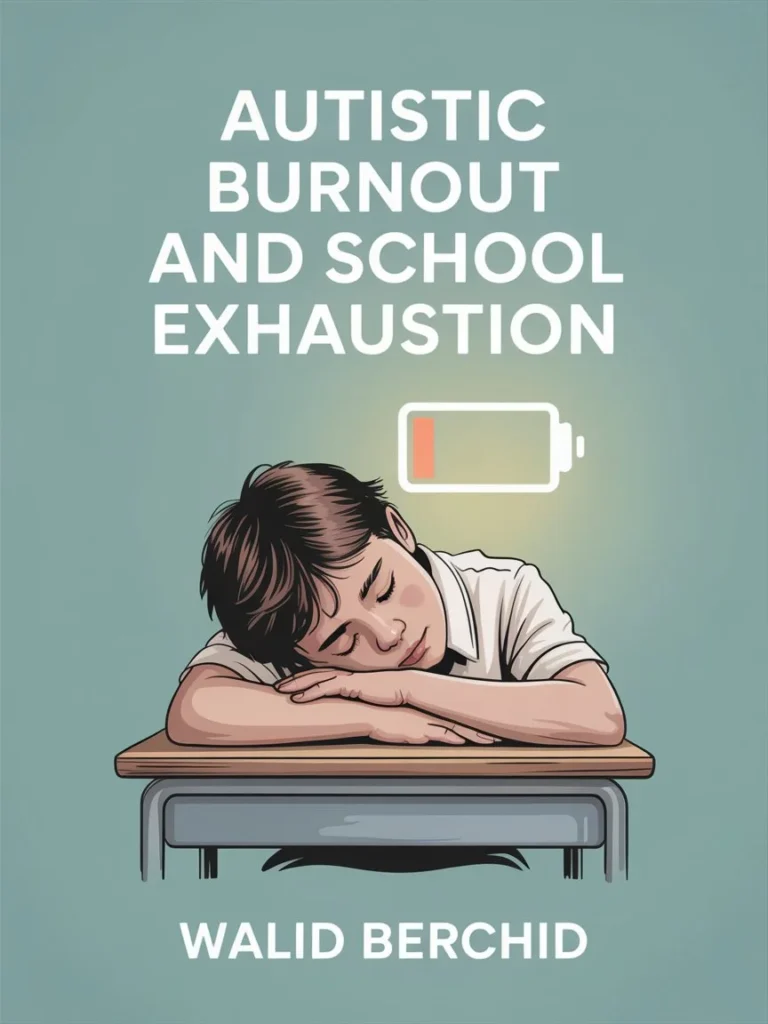
Your Complete Burnout Prevention Resource
This essential Autistic Burnout Guide by Walid Berchid includes:
- Early warning sign checklists and assessment tools
- Classroom accommodation plans and templates
- Communication strategies for discussing burnout
- Individualized support plan development guides
- Staff training materials and professional development resources
- Parent collaboration tools and home strategy suggestions
Support autistic student wellbeing today! Get the Autistic Burnout Guide










Leave a Comment