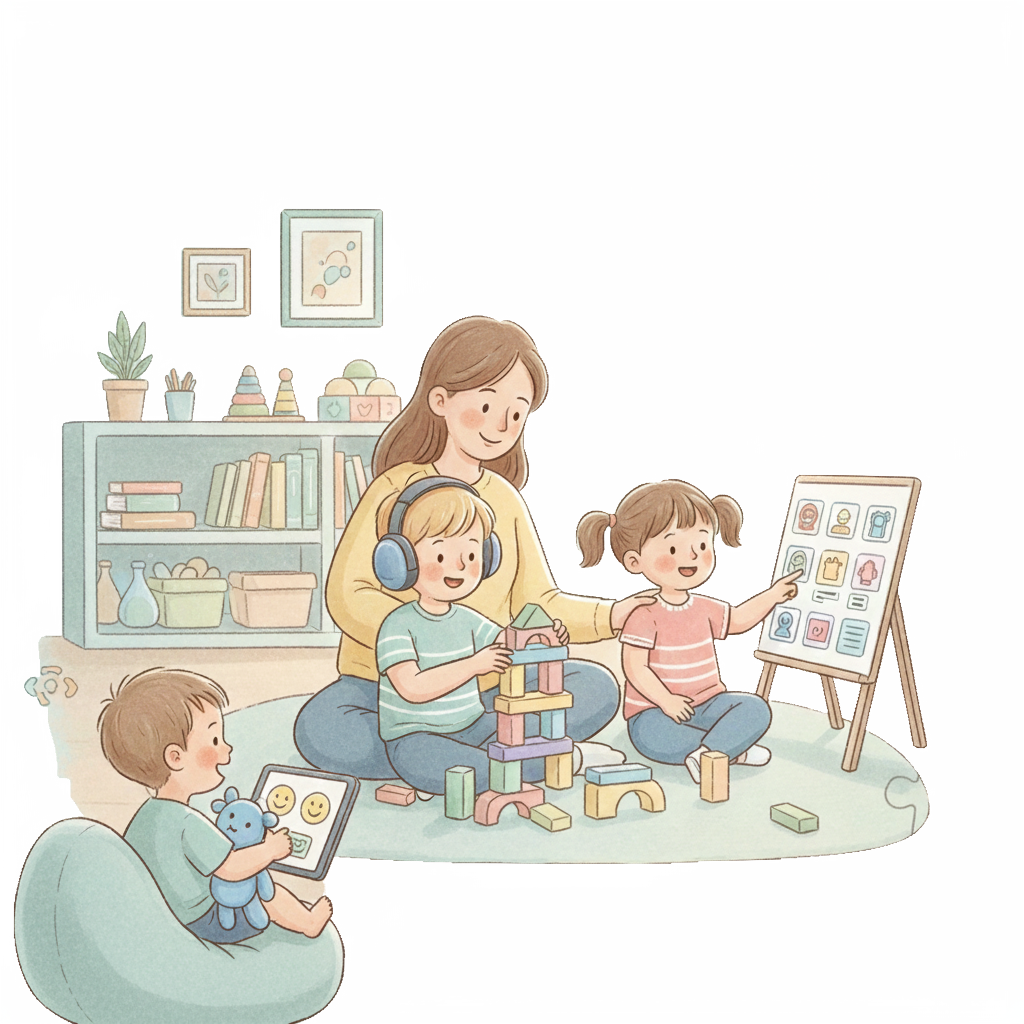

Autism Spectrum Disorder (ASD) is a neurodevelopmental condition that affects how a person communicates, interacts with others, and experiences the world. Understanding Autism Spectrum Disorder is the first step toward fostering acceptance and providing meaningful support. This guide will walk you through the early signs, essential support systems, and practical strategies for parents and educators navigating an autism diagnosis.
What is Autism Spectrum Disorder?
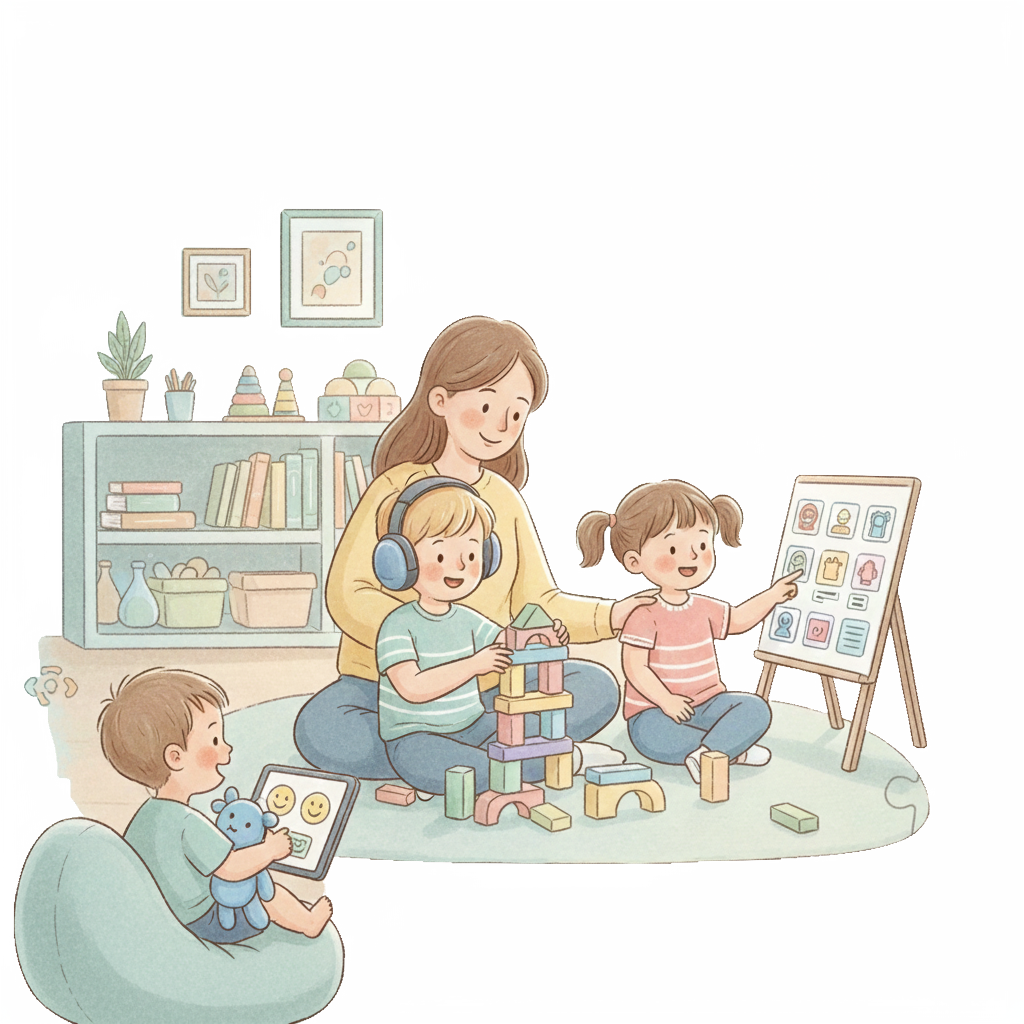
Autism Spectrum Disorder is characterized by a range of challenges and strengths. It is a “spectrum” because its presentation varies widely from person to person. Some individuals may require significant support in their daily lives, while others may live entirely independently. The core areas affected by ASD include social communication, social interaction, and restricted or repetitive behaviors and interests.
Recognizing the Early Signs of Autism
Early identification of Autism Spectrum Disorder can lead to early intervention, which is crucial for a child’s development. Signs can often be observed in the first two years of life.
Key early signs may include:
- Social Communication Challenges:
- Limited or no eye contact.
- Does not respond to their name by 12 months.
- Does not show gestures like pointing or waving by 12 months.
- Lack of shared enjoyment; doesn’t bring objects to show you.
- Social Interaction Difficulties:
- Prefers to play alone and has difficulty engaging in pretend play.
- May not understand or respond to social cues like tone of voice or body language.
- Difficulty making friends.
- Restricted and Repetitive Behaviors:
- Repetitive movements, such as hand-flapping, rocking, or spinning.
- Intense and highly focused interests (e.g., trains, numbers, specific objects).
- Strong need for routine and sameness; gets extremely upset by small changes.
- Unusual sensory responses (e.g., hypersensitivity to sounds, textures, or lights, or seeking sensory input).
If you notice several of these signs, it is important to consult with a pediatrician or a developmental specialist. For resources to help with early observation, explore my Autism Observation Checklists on TPT.
The Path to an Autism Diagnosis
Receiving a formal autism diagnosis is a multi-step process typically involving:
- Developmental Screening: A pediatrician uses standardized tools during well-child visits.
- Comprehensive Evaluation: A team of specialists (e.g., developmental pediatrician, child psychologist, neurologist) conducts a thorough assessment.
A diagnosis is not a label of limitation but a tool to help you access the right support and strategies.
Essential Support and Strategies for Home and School
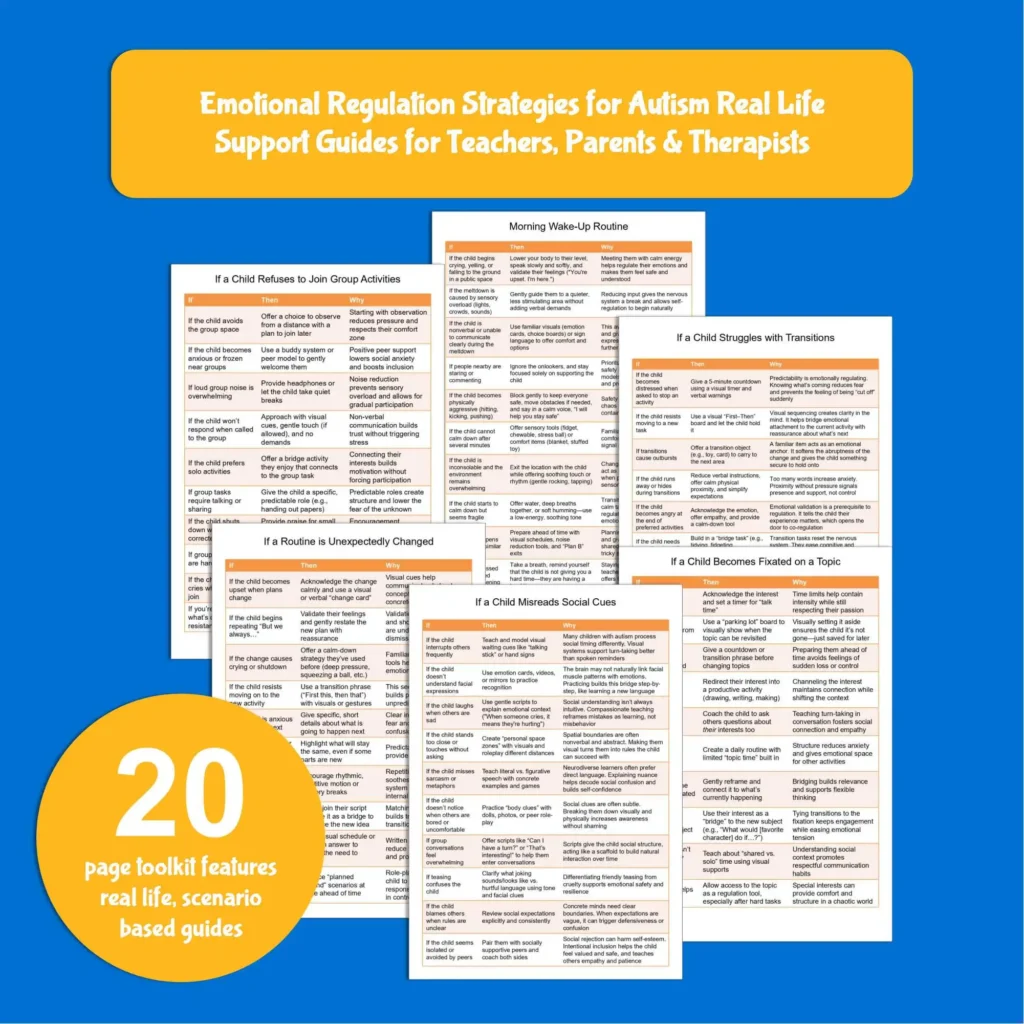
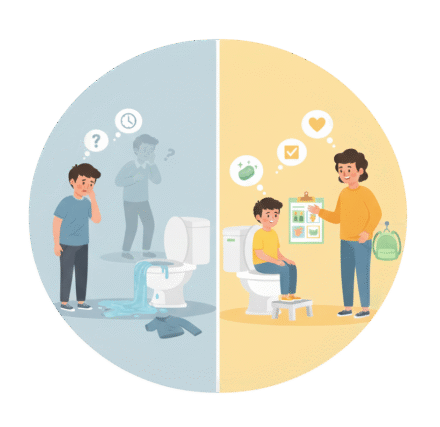
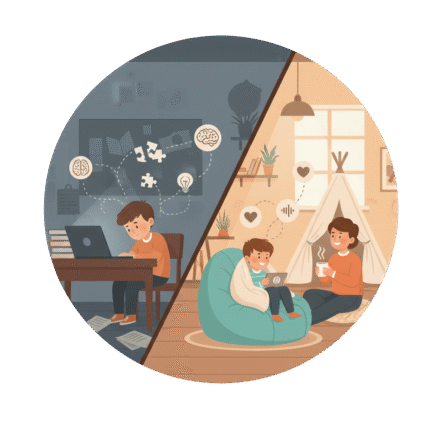
Supporting an autistic child involves creating a structured, predictable, and understanding environment. Here are some evidence-based strategies:
1. Visual Supports
Autistic individuals often process visual information more easily than spoken words.
- Strategies: Use visual schedules, picture exchange communication systems (PECS), and social stories.
- Resources: My store offers a range of Visual Support Resources for Autism to help with transitions and communication.
2. Positive Behavior Support (PBS)
Focus on understanding the function of a behavior and teaching appropriate replacement skills.
- Strategies: Identify triggers, use clear and consistent expectations, and reinforce positive behaviors.
3. Create a Structured and Predictable Environment
Routines reduce anxiety by helping the child know what to expect.
- Strategies: Maintain consistent daily routines and provide warnings before transitions.
4. Develop Communication Skills
Support both verbal and non-verbal communication.
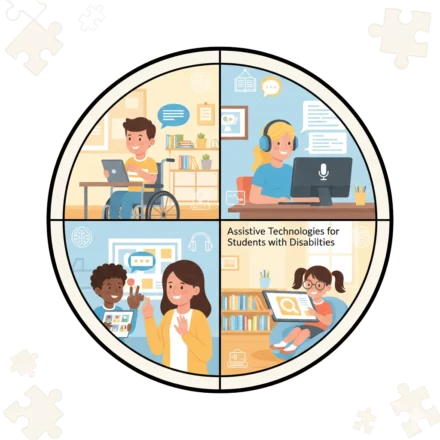
- Strategies: Use the child’s special interests to engage them, model language with simple sentences, and consider incorporating Augmentative and Alternative Communication (AAC) if needed.
5. Foster Social Skills in a Supported Way
Social skills can be explicitly taught and practiced.
- Strategies: Use role-playing, social scripts, and structured play groups. For ready-to-use activities, check out these Social Skills Worksheets for Autism.
Building an Inclusive Community
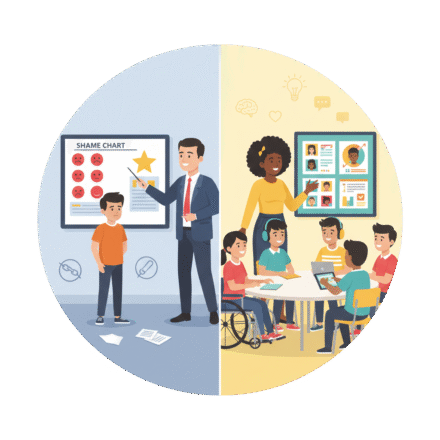
Acceptance goes beyond awareness. It’s about creating a world where autistic individuals are valued for their unique perspectives and strengths.
- In Schools: Promote peer mentorship and educate all students about neurodiversity.
- In the Community: Be patient and understanding of different communication styles and sensory needs.
Conclusion: A Journey of Understanding and Growth
An autism diagnosis is the beginning of a unique journey. By recognizing the early signs of Autism Spectrum Disorder, seeking a timely diagnosis, and implementing effective support and strategies, you can empower an autistic child to thrive. Remember, every child has strengths to build upon and a unique way of seeing the world.
For a comprehensive collection of tools, from sensory bin activities to IEP goal banks, visit my Autism Resource Collection on TPT to find what you need to support your learner.

Leave a Comment