

Using assistive technology for special education is key to creating accessible, inclusive learning environments. This comprehensive guide explores practical assistive technology tools and strategies that help students overcome barriers and achieve greater independence. Discover how the right assistive technology for special education can transform learning experiences for students with diverse needs.

What is Assistive Technology in Special Education?
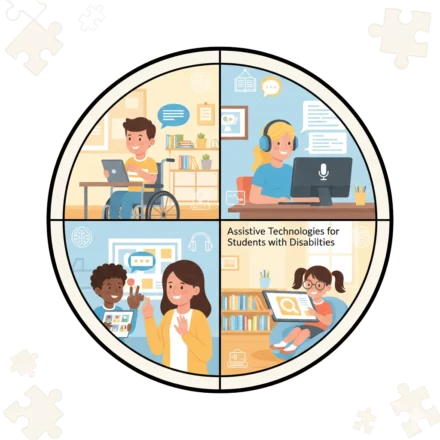
Assistive technology for special education includes any device, software, or equipment that helps students with disabilities learn more effectively. From simple pencil grips to sophisticated communication devices, these tools bridge learning gaps and empower students to access curriculum content alongside their peers.
Get our complete resource: Assistive Technology Toolkit for Special Education
Key Benefits of Assistive Technology
Implementing assistive technology for special education provides multiple benefits:
- Increased Independence – Students complete tasks with less adult support
- Improved Access – Curriculum materials become accessible to all learners
- Enhanced Communication – Students express needs, ideas, and knowledge
- Boosted Confidence – Success with tools builds self-esteem and motivation
- Personalized Learning – Technology adapts to individual student needs
Essential Assistive Technology Categories
This assistive technology for special education toolkit covers these crucial areas:
- Communication Tools – AAC devices and speech-to-text software
- Reading Support – Text-to-speech, audiobooks, and digital highlighting
- Writing Assistance – Word prediction, speech recognition, and graphic organizers
- Organization Aids – Digital planners, visual schedules, and reminder systems
- Access Tools – Adaptive keyboards, switches, and eye-gaze systems
The Assistive Technology Toolkit provides practical guidance for implementing each category effectively.
Implementing Assistive Technology Successfully
Effective use of assistive technology for special education requires:
- Student-Centered Selection – Matching tools to individual needs and preferences
- Proper Training – Teaching students and staff how to use technology effectively
- Ongoing Support – Providing technical assistance and troubleshooting
- Progress Monitoring – Tracking effectiveness and making adjustments
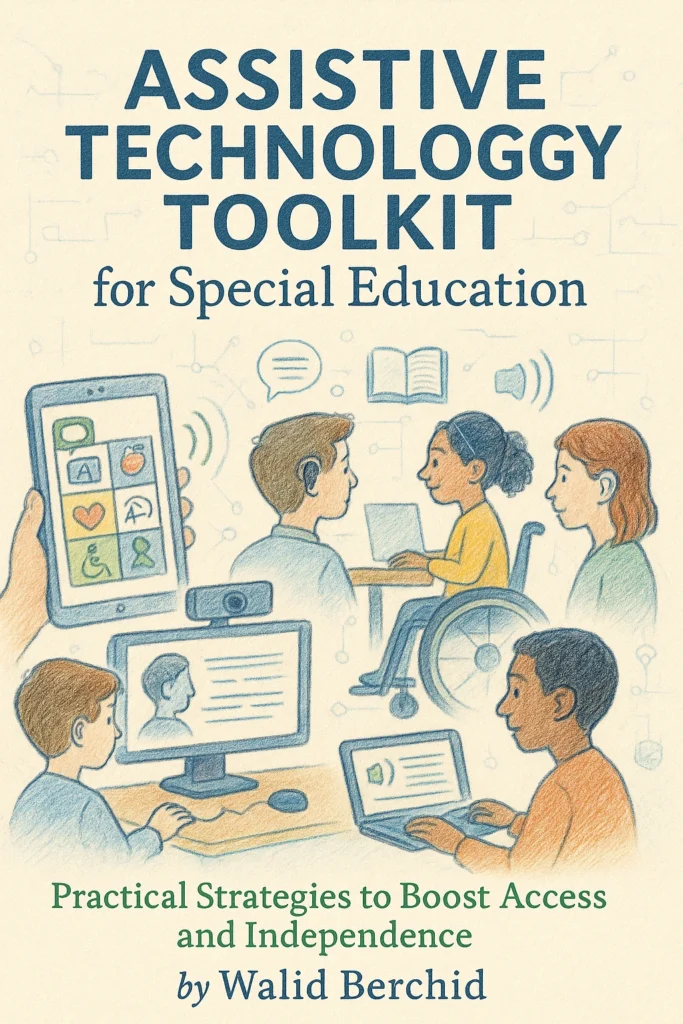
Your Complete Assistive Technology Resource
This comprehensive Assistive Technology Toolkit by Walid Berchid includes:
- Device and software recommendations for various needs
- Implementation strategies and lesson integration ideas
- Assessment tools for identifying appropriate technology
- Funding sources and grant writing tips
- Case studies and success stories
- Professional development resources
Transform your classroom accessibility today! Get the Assistive Technology Toolkit
For more resources on inclusive education and teaching strategies, visit our educational blog.




Leave a Comment