
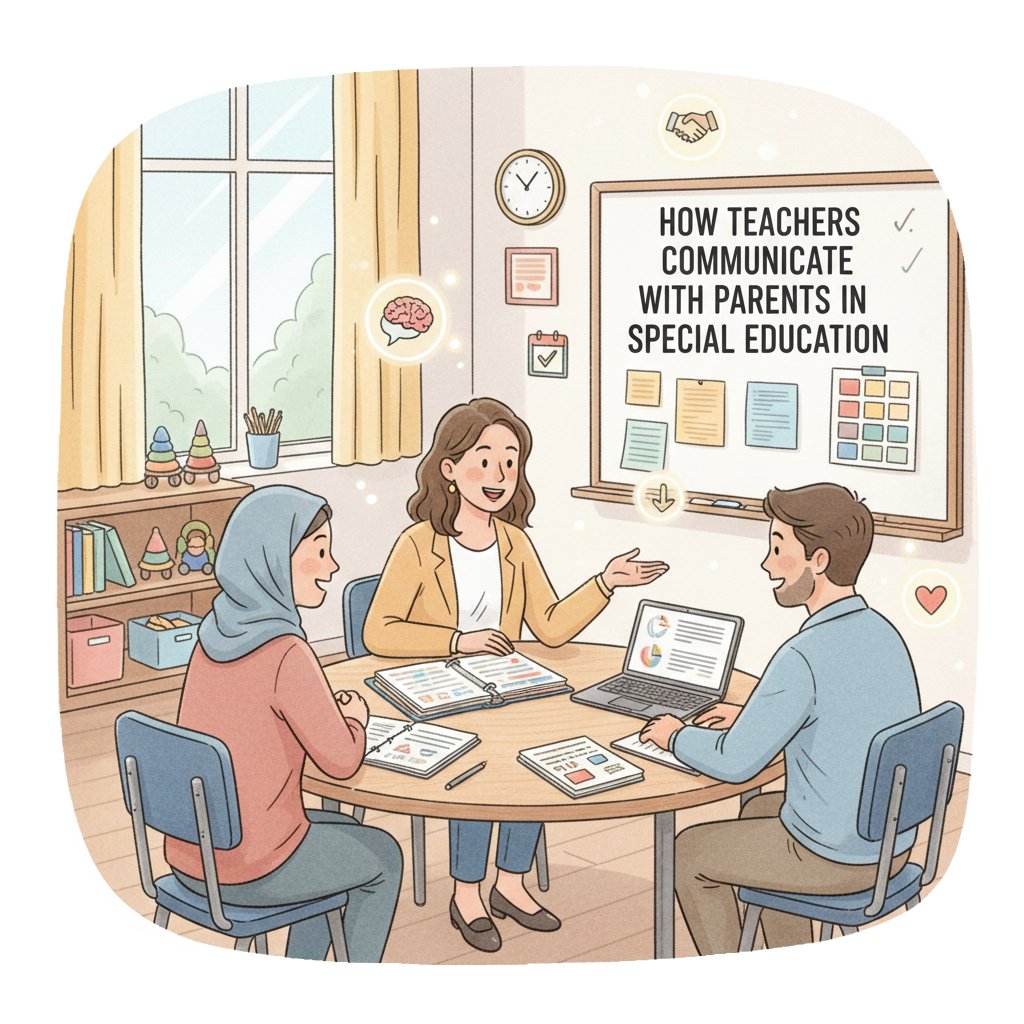
How teachers communicate with parents in special education is the cornerstone of a student’s success. Unlike general education, this communication is more frequent, structured, and essential for implementing an effective Individualized Education Program (IEP). For parents, understanding this process can make the journey feel less daunting. For educators, mastering these strategies is a non-negotiable part of the job. This guide breaks down the methods, tools, and best practices for fostering a positive and productive teacher-parent communication loop in the world of special education.
Why Communication in Special Education is Unique
Communication in special education is mandated by law (IDEA) and is fundamentally collaborative. The goal isn’t just to report progress; it’s to work as a team to ensure the student’s unique needs are being met. Effective teacher-parent communication in special education ensures consistency between home and school, builds trust, and empowers everyone involved to be a successful advocate for the child.
Formal Communication: The Structured Pillars
These are the legally required and scheduled touchpoints that form the backbone of the partnership.
1. The IEP Meeting
This is the most formal and critical communication event.
- Purpose: To develop, review, and revise the student’s Individualized Education Program (IEP).
- Teacher’s Role: Come prepared with data, work samples, and progress reports on current goals. Speak in clear, jargon-free language and actively listen to parent concerns.
- Parent’s Role: Share insights about your child’s strengths, needs, and life at home. Come with questions and be an equal participant in the decision-making.
- Pro Tip: For a smooth meeting, use my IEP Meeting Planner and Agenda Kit to keep everyone organized and on track.
2. Progress Reports on IEP Goals
- Purpose: To provide periodic updates (often concurrent with report cards) on the student’s progress toward their annual IEP goals.
- Teacher’s Role: Report data clearly, explaining what the data means and what strategies are being used. Don’t just say “making progress”; show it with examples.
- Parent’s Role: Review the reports carefully and ask for clarification if something is unclear.
Daily & Weekly Communication: The Practical Tools
This ongoing communication builds trust and keeps everyone in the loop.
1. Communication Logs & Home-School Notebooks
A simple but powerful tool, especially for students with limited verbal skills.
- How it works: A notebook or digital doc that travels with the student. The teacher notes highlights, challenges, and questions from the day. The parent reads it and responds from home.
- What to include: Behavioral successes, what they ate, therapy updates, and specific questions. For ready-to-use templates, check out my Editable Home-School Communication Logs.
2. Positive News & “Glow Notes”
Starting the relationship on a positive note is crucial.
- How it works: Make it a habit to send home a quick positive note, email, or ClassDojo message before you have to make a difficult call. Celebrate a small win, a kind act, or a moment of perseverance.
3. Weekly Newsletters/Emails
- How it works: A brief weekly summary for the whole class (or a personalized one) outlining what you’ll be learning, upcoming events, and reminders. This helps parents contextualize their child’s experiences.
Digital Communication: The Modern Connection
Technology has revolutionized how teachers communicate with parents in special education.
- ClassDojo, Remind, or Bloomz: These apps allow for real-time messaging, photo sharing, and class-wide announcements in a secure environment.
- Email: Best for longer, more detailed messages that need to be documented.
- Scheduled Video Calls: For parents who cannot easily come to school, a quick 15-minute video check-in can be invaluable.
Best Practices for Effective Communication
For Teachers:
- Listen Actively: Communication is 50% listening. Let parents share their story.
- Avoid Jargon: Say “reading comprehension” instead of “phonemic awareness deficit.”
- Be Proactive, Not Reactive: Don’t wait for a problem to erupt to make contact.
- Document Everything: Keep a log of all communication for reference.
For Parents:
- Establish a Preferred Method: Ask the teacher how and when they prefer to be contacted.
- Be Prepared: Before a meeting, write down your questions and concerns.
- Assume Positive Intent: Approach conversations as a partnership, not a confrontation.
Navigating Difficult Conversations
Even in the best partnerships, challenging topics arise.
- Schedule a Private Time: Don’t try to have a tough conversation during pickup or in the hallway.
- Start with a Positive: “I really enjoy having Sam in my class. I wanted to talk with you about a challenge we’re working on together…”
- Use “I” Statements: “I’ve noticed…” instead of “He always…”
- Problem-Solve Together: End the conversation with a clear, agreed-upon action plan. My Collaborative Problem-Solving Worksheet can help structure this process.
Conclusion: It’s a Partnership, Not a Report Card
Ultimately, how teachers communicate with parents in special education determines the strength of the team behind the student. By combining formal procedures with genuine, daily connection, educators and families can build a bridge of understanding that allows a child to thrive both at school and at home.
For more resources to streamline this process—from IEP meeting kits to communication logs—visit my Special Education Resources on TPT.






Leave a Comment