
ADHD in children is one of the most common neurodevelopmental disorders, characterized by patterns of inattention, hyperactivity, and impulsivity that can impact every aspect of a child’s life. For parents and teachers, knowing how to provide effective support for ADHD in children is crucial for helping them build confidence, succeed academically, and develop positive relationships. This guide offers a deep dive into practical, evidence-based strategies for managing ADHD in children both in the classroom and at home.
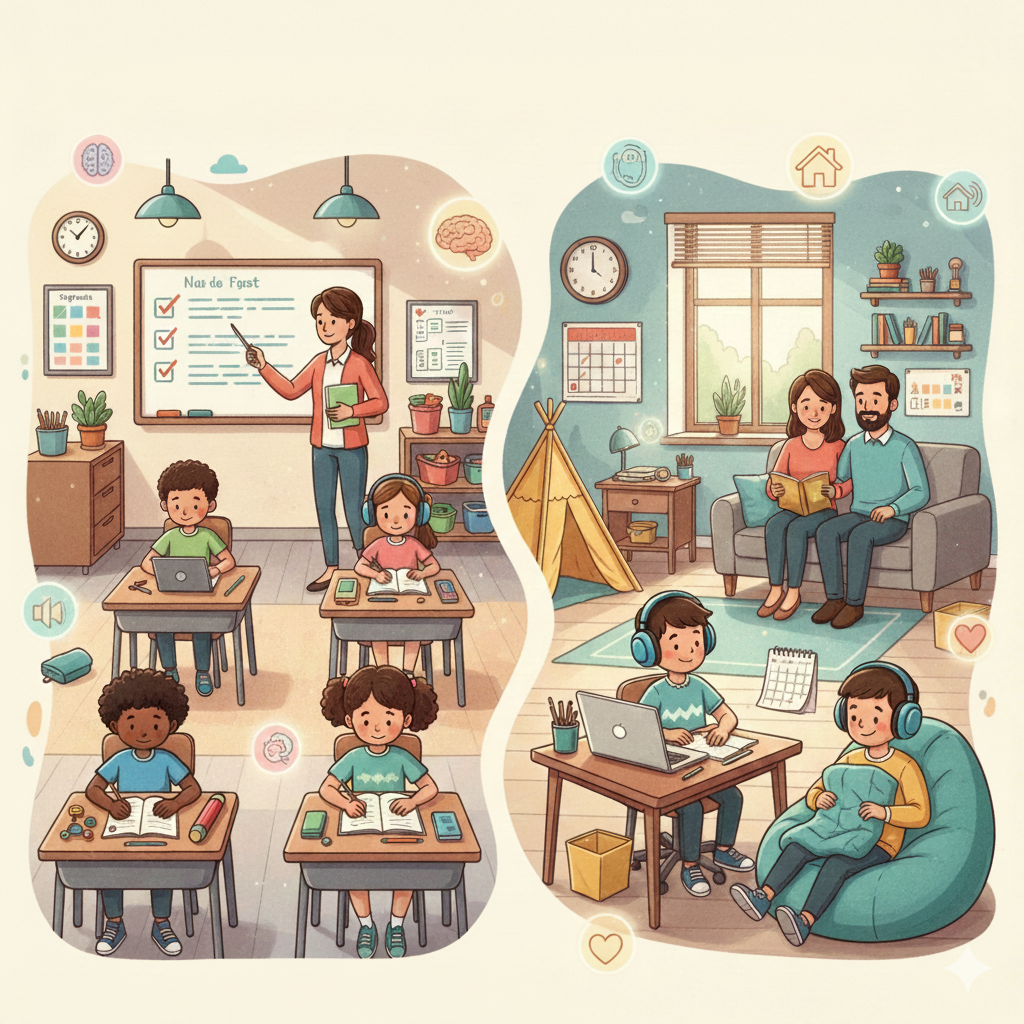
Understanding ADHD in Children: It’s More Than Just Behavior
ADHD in children is not a result of poor parenting or a lack of discipline. It’s a brain-based condition that affects the executive functions—the management system of the brain. This explains why children with ADHD often struggle with:
- Working Memory: Holding and manipulating information in their mind.
- Emotional Regulation: Managing frustration and disappointment.
- Task Initiation: Getting started on activities, especially non-preferred ones.
- Focus and Sustained Attention: Staying on task despite distractions.
Understanding these underlying challenges is the first step in moving from frustration to effective support for ADHD in children.
Effective Classroom Strategies for Supporting ADHD
The classroom environment can be particularly challenging for a child with ADHD. Here are key strategies for creating an inclusive and supportive learning space.
1. Structure and Routine are Key
Children with ADHD thrive on predictability.
- Strategy: Post a clear, visual daily schedule. Review it each morning and provide a warning before transitions. For ready-to-use resources, check out my Visual Schedule & Routine Cards for ADHD on TPT.
2. Optimize the Learning Environment
Minimize distractions to help the brain focus.
- Strategy: Seat the student away from doors, windows, and noisy heaters. Provide access to quiet, distraction-free workspaces for tests and intensive work.
3. Incorporate Movement Breaks
Sitting still for long periods is physically difficult and counterproductive.
- Strategy: Build in short, scheduled movement breaks. This could be as simple as handing out papers, doing 10 jumping jacks, or using a fidget tool. My Brain Break & Movement Activity Cards on TPT are perfect for this.
4. Break Down Tasks
Large, multi-step assignments can feel overwhelming and lead to shutdowns.
- Strategy: Use graphic organizers and checklists. Break projects into smaller, manageable “chunks” and celebrate the completion of each one.
5. Provide Clear, Concise Instructions
- Strategy: Give one instruction at a time. Have the student repeat the direction back to you to ensure understanding. Use both verbal and written instructions.
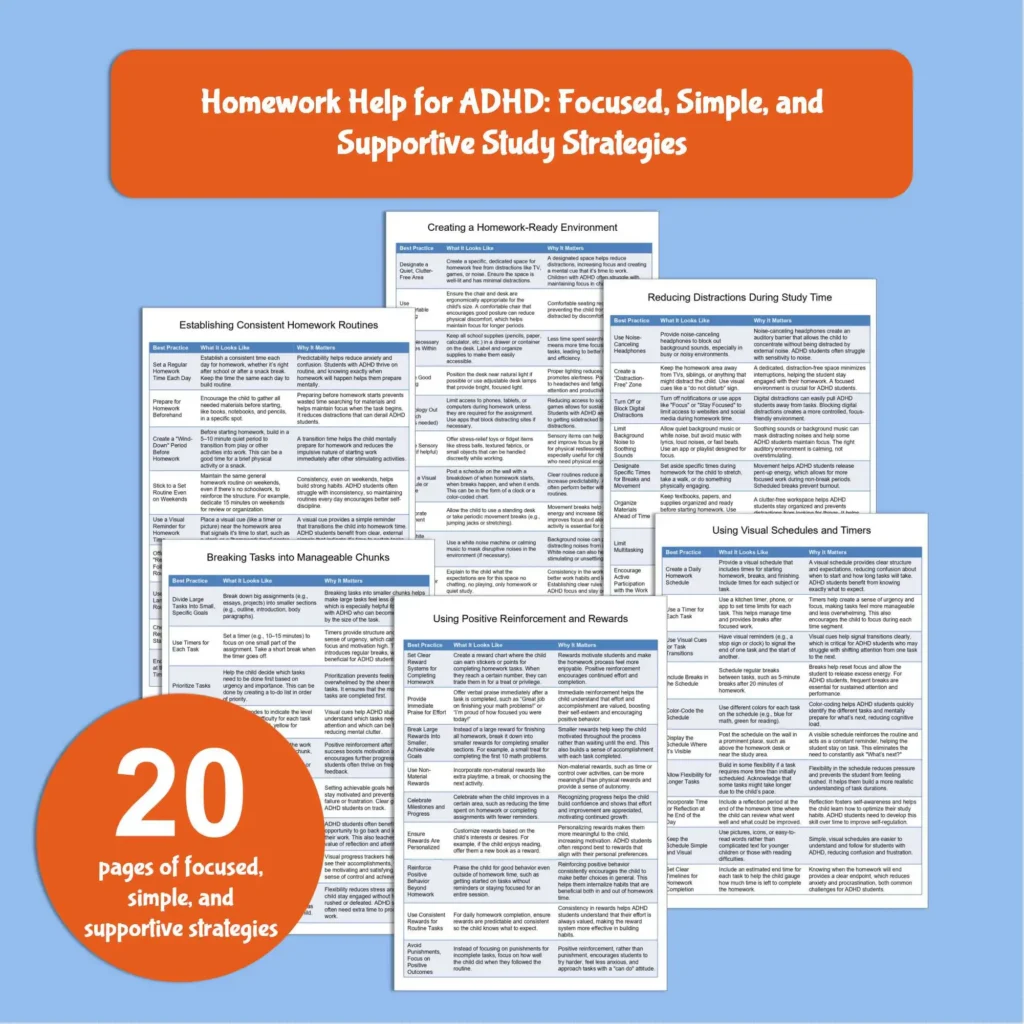
Essential Home Support Strategies for Managing ADHD
Consistency between home and school is powerful. These strategies can reduce conflict and build life skills.
1. Create a Consistent Routine at Home
- Strategy: Establish set times for homework, meals, chores, and bedtime. Use timers and visual checklists to make routines clear and independent.
2. Use Positive Reinforcement Systems
Instead of focusing on missteps, catch your child being good.
- Strategy: Implement a simple token economy or sticker chart where they can earn rewards for positive behaviors like starting homework without a reminder or completing a chore.
3. Establish a Dedicated Homework Zone
- Strategy: Create a quiet, clutter-free space for homework. Limit potential distractions like TV and smartphones. Use a timer to structure work periods (e.g., 15 minutes of work, 5-minute break).
4. Teach Self-Monitoring and Advocacy
The ultimate goal is to help children understand their own brains.
- Strategy: Use calm moments to talk about ADHD. Help them identify their feelings and triggers. Teach them to ask for what they need, like a break or a quieter spot to work.
Collaboration: The Bridge Between School and Home
Supporting ADHD in children is most effective when parents and teachers are a team.
- Maintain Open Communication: Share successful strategies with each other.
- Focus on the IEP/504 Plan: If your child qualifies, these legal documents are essential for formalizing accommodations like extended time, preferential seating, and movement breaks. For help tracking progress, my IEP Goal Tracking and Data Collection Sheets on TPT can be a valuable tool.
Conclusion: Building on Strengths
Children with ADHD are often incredibly creative, energetic, and passionate. Our job is not to “fix” them but to provide the structure, tools, and understanding they need to channel their amazing strengths. By implementing these consistent strategies for managing ADHD in children at school and home, you can help them build the skills to navigate the world successfully.
For a comprehensive suite of tools—from behavior charts to social stories—designed to support children with ADHD, explore all the resources in my TPT store.










Leave a Comment