
Managing sensory overload is a daily reality for many individuals with Autism Spectrum Disorder (ASD) and Attention-Deficit/Hyperactivity Disorder (ADHD). The world can feel too bright, too loud, and too chaotic, leading to overwhelm, anxiety, and shutdowns or meltdowns. But what exactly is it, and how can you effectively cope? This guide breaks down the science of sensory overload and provides actionable strategies for managing sensory overload in children and adults.

What is Sensory Overload? A System on Overdrive
Sensory overload isn’t just feeling annoyed by a noise. It’s a neurological traffic jam. It occurs when the brain is bombarded with more sensory information (sights, sounds, smells, touches, tastes) from the environment than it can process and filter effectively.
For neurotypical brains, a filtering system helps ignore background noise. For many with Autism and ADHD, this filter is less effective, causing every sound, light, and sensation to come through with equal intensity, making managing sensory overload a critical skill.
The Difference and Overlap: Autism vs. ADHD
While both can experience overload, the underlying reasons can differ:
- In Autism: Often linked to sensory processing disorder. The brain has difficulty receiving and responding to sensory information. This can lead to both hypersensitivity (over-responsiveness, e.g., covering ears from a vacuum) and hyposensitivity (under-responsiveness, e.g., seeking intense spinning or crashing).
- In ADHD: Often linked to overstimulation from the environment competing with the brain’s ability to sustain focus. A buzzing light or a distant conversation isn’t just distracting; it’s physically uncomfortable and can fuel impulsivity and emotional dysregulation.
Many individuals are dual-diagnosed, experiencing a complex mix of both filtering challenges and sensory seeking/avoiding behaviors.
Recognizing the Signs of Sensory Overload
Knowing the signs is the first step in managing sensory overload. It can look different for everyone, but common indicators include:
- In Children: Covering ears or eyes, crying, tantrums, eloping (running away), shutting down, refusing to enter certain spaces, clinging, or becoming aggressive.
- In Adults: Feeling irritable, anxious, or “on edge.” Needing to withdraw immediately, experiencing physical symptoms like headaches or nausea, feeling mentally foggy, or having a panic attack.
Practical Strategies for Managing Sensory Overload
The goal is not to avoid all sensory input but to build a toolkit for regulation. Here are strategies for different environments.
1. At Home: Creating a Sensory-Safe Haven
Your home should be a place to recharge.
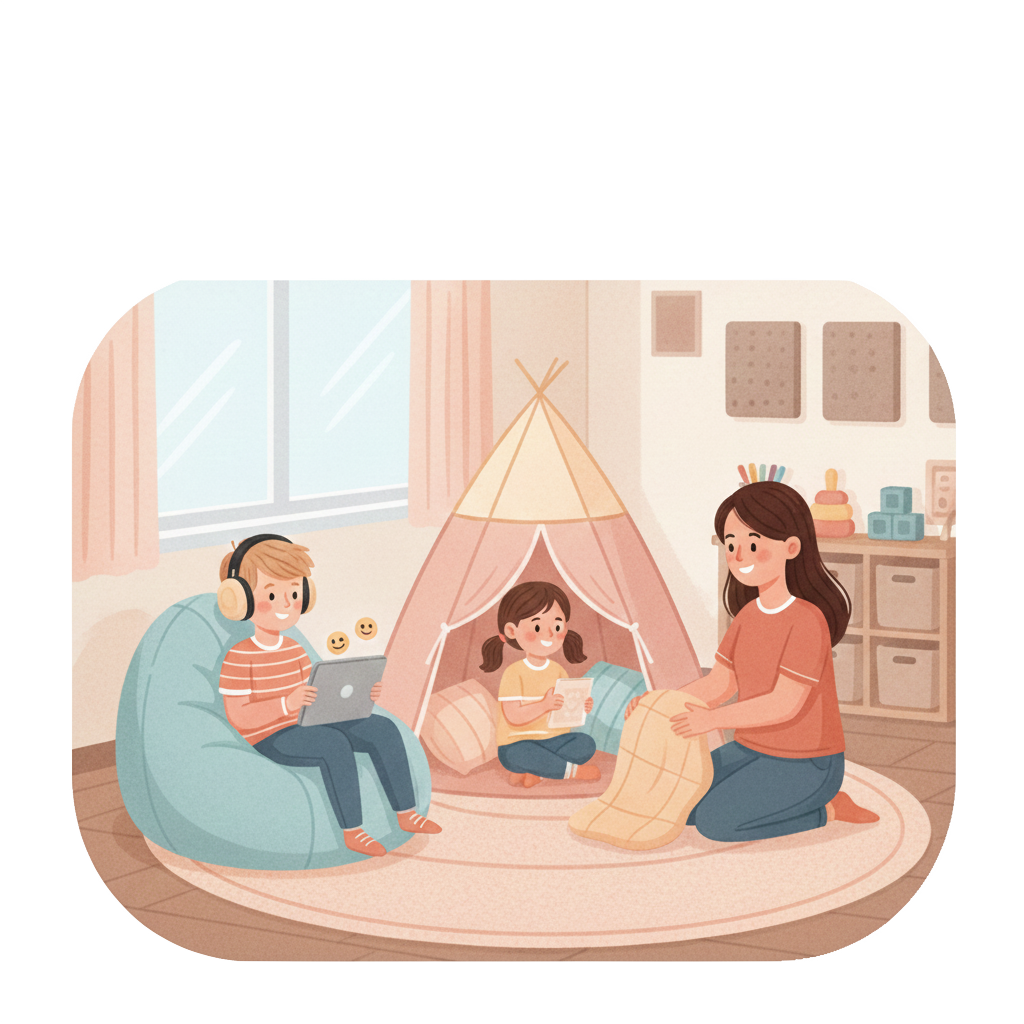
- Designate a Calm-Down Corner: Create a quiet, comfortable space with dim lighting, soft blankets, and calming sensory tools. For printable guides on setting one up, see my Calm Down Corner Resource Kit on TPT.
- Use Noise-Canceling Headphones: A simple, powerful tool for reducing auditory input.
- Manage Lighting: Swap bright overhead lights for lamps and use blackout curtains.
- Offer Choices in Clothing: Provide soft, tagless, and comfortable clothing to reduce tactile stressors.
2. At School: Supporting Learning and Regulation
Managing sensory overload in the classroom is key to a student’s success.
- Use a Sensory Diet: Implement scheduled sensory breaks throughout the day (e.g., wall push-ups, carrying heavy books, chewing gum). My Sensory Break Task Cards on TPT provide easy-to-use ideas.
- Provide Preferential Seating: Seat the student away from noisy heaters, doors, and high-traffic areas.
- Incorporate Fidget Tools: Allow the use of stress balls, fidget spinners, or chewable jewelry to help with focus and self-regulation.
- Use Visual Schedules: Knowing what to expect reduces anxiety. Pair verbal instructions with visual supports.
3. In Public: Navigating the Overwhelming World
Preparation is everything for outings.
- Plan and Prepare: Preview what the environment will be like (e.g., “The grocery store will be busy and loud. We will use our headphones.”).
- Have an Exit Strategy: Know how you or your child can signal that a break is needed, and be willing to leave early if necessary.
- Build a Sensory Go-Bag: Pack a bag with essentials like noise-canceling headphones, a favorite fidget, a water bottle, and sunglasses.
The Most Important Strategy: Building Self-Awareness and Advocacy
Ultimately, the goal is to help individuals recognize their own signs of overload and know what they need to feel better.
- Name the Feeling: Use language like, “My senses are feeling too full,” or “This noise is making it hard for me to think.”
- Practice Communicating Needs: Role-play asking for a break or putting on headphones.
- Validate the Experience: Never punish a meltdown caused by sensory overload. Instead, provide support and co-regulate.
Conclusion: Empowerment Through Understanding
Managing sensory overload is not about “fixing” a person but about adapting the environment and equipping them with lifelong self-regulation skills. By understanding the “why” behind the overwhelm and implementing these practical strategies, you can create a world that feels safer and more manageable for individuals with Autism and ADHD.
For a wide range of visual supports, social stories, and sensory activity guides designed to help with managing sensory overload, explore my curated collection on my Teachers Pay Teachers store.










Leave a Comment